Kuliner Jepang yang Mendunia: Dari Sushi hingga Ramen yang Menggoda Selera

Link Slot : mahjong gacor

Kuliner Jepang telah menjadi salah satu yang paling digemari di seluruh dunia, dengan berbagai hidangan ikonik yang tidak hanya menggoda selera, tetapi juga mencerminkan budaya dan tradisi Jepang yang kaya. Salah satu yang paling terkenal adalah sushi, hidangan berbasis nasi dengan topping ikan mentah atau bahan laut lainnya. Kelezatan sushi terletak pada kesegaran bahan-bahan yang digunakan, serta teknik pembuatan yang sudah ada selama berabad-abad. Dari nigiri hingga sashimi, sushi menjadi simbol kuliner Jepang yang telah mendunia dan menjadi favorit banyak orang.

Selain sushi, ramen juga tak kalah populer. Hidangan mie kuah yang beragam ini memiliki berbagai varian, seperti miso, shoyu, dan tonkotsu, yang masing-masing menawarkan cita rasa yang kaya dan menggugah selera. Ramen tidak hanya dinikmati di restoran, tetapi juga menjadi makanan cepat saji yang mudah ditemukan di berbagai penjuru dunia. Setiap wilayah di Jepang memiliki cara khas dalam menyajikan ramen, menjadikannya hidangan yang sangat fleksibel dan penuh variasi.

Selain dua hidangan tersebut, Jepang juga memiliki beragam kuliner lain yang tak kalah menggoda, seperti tempura, okonomiyaki, dan takoyaki. Makanan-makanan ini menggambarkan keahlian orang Jepang dalam mengolah bahan-bahan sederhana menjadi hidangan yang istimewa. Dalam beberapa dekade terakhir, kuliner Jepang terus berkembang dan diakui secara global, baik dalam restoran mewah maupun makanan jalanan. Tak heran jika masakan Jepang terus menarik perhatian dan memikat hati banyak orang di seluruh dunia, menjadikannya bagian dari kehidupan sehari-hari banyak masyarakat di luar Jepang.

Māori Warfare: Strategies, Fortifications, & Historical Battles

kickstand-project.org – Māori warfare, with its rich history and complex strategies, played a significant role in shaping the social and political landscape of pre-European New Zealand. Warfare was deeply embedded in Māori society, with its origins tied to tribal rivalries, territorial disputes, and the quest for resources. Māori warriors, known for their exceptional skills and tactical ingenuity, developed a distinct approach to combat that included unique weaponry, fortifications, and ceremonial practices.

This article explores the key aspects of Māori warfare, including strategies, fortifications, and significant historical battles that have defined Māori military history.

Māori Warfare Strategies: Adaptability and Innovation

Māori warfare was highly strategic, marked by adaptability and innovation in response to the needs of the tribe. It was not just about brute force; Māori warriors employed cunning tactics, psychological warfare, and guerrilla-style methods. The strategic aim was often not only to defeat the enemy but also to demoralize them and assert dominance over the land and resources.

Ambush and Surprise Attacks

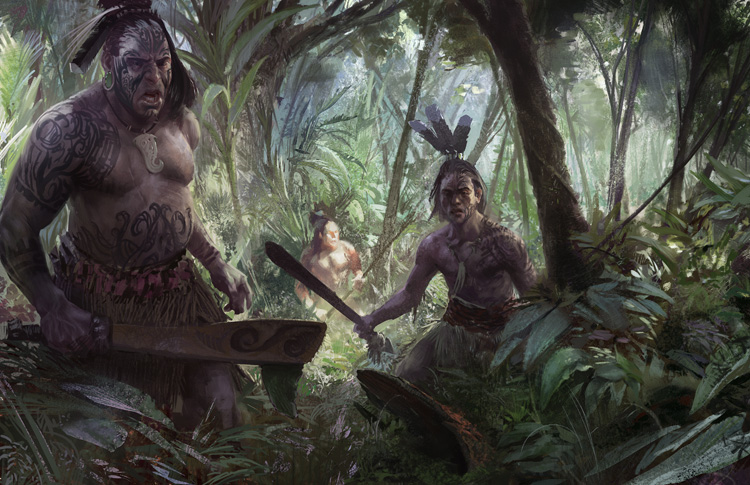
One of the hallmark strategies of Māori warfare was the use of ambushes. Māori warriors would often hide in dense forests or within the landscape, waiting to strike at the enemy when they were most vulnerable. This tactic was particularly effective during the early phases of conflict, where stealth and surprise gave Māori forces the upper hand against better-armed, larger European forces.

Māori were skilled in stealth movements, often walking barefoot to avoid leaving tracks and using their intimate knowledge of the terrain to surprise and disorient their opponents. These attacks were designed to instill fear and confusion among enemy ranks, often forcing them to retreat before even engaging in a full-scale battle.

The Use of the War Party: Hapu and Iwi Mobilization

Māori warfare was often fought by war parties (ngā roopu riri), which could range from small, agile groups of warriors to large, organized forces drawn from various tribes. The hapū (sub-tribe) or iwi (tribe) mobilized warriors to defend their land, protect resources, or avenge wrongs committed against them. The war party was composed of highly trained individuals, each with a specific role in combat. These could include archers, spear bearers, and the elite warriors who carried out direct engagements.

War parties often involved rituals and the giving of koha (gifts), which strengthened the bond between warriors and their iwi. A chief, or rangatira, would often lead these parties, and the warriors would be motivated by the desire to defend their land, uphold their honor, and protect their families.

Psychological Warfare: The Haka and Taunts

Māori warriors were known for their psychological tactics, which included war dances such as the haka. Performed before battles, the haka was used to intimidate the enemy and boost the morale of the warriors. The chanting and aggressive movements of the haka were intended to create an aura of fear and invincibility, unsettling adversaries before combat even began.

Verbal taunts were also used to provoke and unnerve enemy warriors, challenging their bravery and instilling fear. These rituals were not merely symbolic; they were a way of asserting power and asserting dominance over the opponent.

Māori Fortifications: The Pa and Defensive Structures

Māori fortifications, particularly the pa (fortified village), played a crucial role in warfare and defense. The pa was a complex system of defensive structures, designed to protect against enemy attacks and provide a stronghold during times of conflict.

Features of the Pa

A pa was typically located on elevated land to offer strategic advantages, such as visibility over the surrounding area and better protection from ambush. It was surrounded by a series of defensive features, including:

  • Ditches and Trenches: These were dug around the perimeter of the pa to create obstacles and prevent enemies from advancing.
  • Palisades and Stockades: High wooden fences or walls, often reinforced with stakes and trees, formed the outer barriers of the pa. These structures were often designed to withstand direct assault.
  • Entrances and Gateways: The entrance to the pa was usually narrow and heavily guarded. It was a vulnerable point in the defense, but it was well protected by warriors and traps.
  • Watchtowers: Lookouts were strategically placed to give early warning of enemy movements and allow warriors to plan their defense.

The design of the pa reflected the ingenuity and resourcefulness of Māori warfare. These structures were built with local materials, such as timber, stone, and earth, and were often designed to be easily dismantled or rebuilt as needed.

The Evolution of Fortifications

The design of pa evolved over time in response to changing warfare tactics. The introduction of firearms by Europeans in the 19th century prompted adaptations in the construction of fortifications. The pa began to incorporate earthworks and stone structures to better withstand gunfire. The pa at Gate Pa during the New Zealand Wars (1864) is a prime example of a well-fortified position, with a series of defensive trenches and fortifications designed to withstand a siege by British forces.

Notable Māori Battles in History

Throughout history, Māori warriors have fought numerous battles, often in defense of their land and culture. Some of the most significant battles in Māori warfare were fought during the 19th century, in what is known as the New Zealand Wars, though earlier conflicts between iwi also played a role in shaping Māori military practices.

The Battle of the Gate Pa (1864)

The Battle of the Gate Pa, fought during the New Zealand Wars, is one of the most famous battles in Māori history. The British forces attempted to capture a well-fortified Māori pa at Gate Pa, near Tauranga, in the North Island. Despite being heavily outnumbered and facing advanced British artillery, the Māori defenders, led by Te Ranga, managed to hold off the British forces for several days. The British eventually won the battle, but the Māori defenders inflicted heavy casualties and showcased their tactical brilliance in using the landscape and fortifications to their advantage.

The Battle of Gate Pa became a symbol of Māori resilience and military skill, and it is still remembered as a key moment in New Zealand’s history.

The Battle of Ōrākau (1864)

Another significant battle in the New Zealand Wars was the Battle of Ōrākau, fought near Te Awamutu in the Waikato region. In this battle, a small group of Māori warriors, including many women and children, fought bravely against a larger British force. The Māori fighters, led by Te Kanawa, made a determined stand within their fortified position, but eventually, they were overrun. Despite their defeat, the battle became a symbol of resistance and courage, highlighting the deep connection between Māori warriors and their land.

The Legacy of Māori Warfare

Māori warfare, with its sophisticated strategies, deep cultural traditions, and lasting influence on New Zealand’s history, continues to resonate today. The techniques and fortifications used by Māori warriors are studied for their ingenuity and strategic brilliance. Furthermore, the legacy of Māori resistance during the New Zealand Wars has contributed to a broader understanding of the history of conflict in New Zealand and the ongoing importance of Māori culture in the national narrative.

Modern-day New Zealanders, both Māori and non-Māori, continue to honor the memory of Māori warriors, including through the performance of haka at national and sporting events, and the preservation of pa sites as important cultural landmarks.

Conclusion

Māori warfare was a complex and integral part of New Zealand’s history, marked by sophisticated strategies, tactical innovation, and cultural significance. The fortifications, such as the pa, and the resilience of Māori warriors in historical battles have left a lasting legacy in the country’s collective memory. By examining the strategies, fortifications, and significant battles of Māori warfare, we gain a deeper understanding of the cultural values, resourcefulness, and spirit of the Māori people, who continue to influence New Zealand society today.

Cojedes: A Llanero Heartland – A State of Plains and Rivers

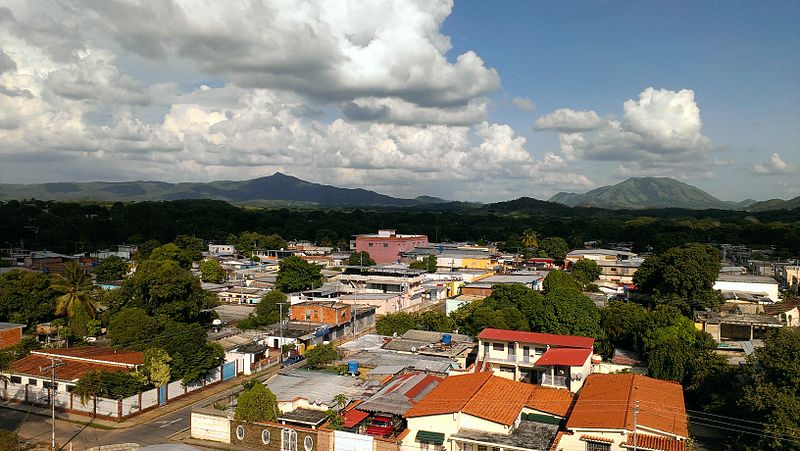
kickstand-project.org – Cojedes, a state located in central-western Venezuela, is primarily characterized by its vast plains or llanos. This region, known for its seasonal flooding and rich biodiversity, has shaped the state’s culture, economy, and way of life.   

Llanero Culture and Tradition

The Llanero culture, deeply rooted in the traditions of Venezuelan cowboys, is a significant part of Cojedes’ identity. The joropo, a vibrant folk dance and music genre, is a central element of Llanero culture, often accompanied by the sounds of the cuatro and the harp.   

Natural Beauty and Biodiversity

Cojedes boasts a diverse range of ecosystems, from the vast savannas to the dense forests along the Orinoco River basin. The state is home to a variety of wildlife, including capybaras, jaguars, and a diverse birdlife. The Cojedes River, a major tributary of the Orinoco, flows through the state, providing vital resources and shaping the region’s ecology.

Economic Activities

Agriculture and livestock are the primary economic activities in Cojedes. The state is known for its production of rice, corn, and livestock, particularly cattle. The fertile plains of Cojedes make it an important agricultural region in Venezuela.   

Challenges and Opportunities

Despite its natural beauty and economic potential, Cojedes faces several challenges, including poverty, unemployment, and environmental degradation. The state’s economy is vulnerable to fluctuations in agricultural prices and climate change. However, Cojedes also offers significant opportunities for sustainable development, particularly in ecotourism and renewable energy.

A Glimpse into the Future

As Venezuela continues to navigate complex political and economic challenges, Cojedes’ future remains uncertain. However, the state’s resilient people and its vast natural resources offer hope for a brighter future. By investing in education, infrastructure, and sustainable development, Cojedes can overcome its challenges and contribute to the growth and prosperity of Venezuela.

Mandeville: Jamaica’s Serene Hilltop Retreat

kickstand-project.org – Mandeville, nestled amidst the picturesque hills of Jamaica’s Manchester Parish, offers a refreshing escape from the bustling coastal towns. As the island’s only parish capital not situated on the coast, Mandeville provides a tranquil and cool climate, making it a popular destination for both locals and tourists.   

A Serene Hilltop Haven

Perched at an elevation of approximately 2,061 feet (628 meters), Mandeville enjoys a pleasant climate year-round. The cool, crisp air and lush greenery create a serene atmosphere, perfect for relaxation and rejuvenation. The town’s well-maintained parks and gardens offer opportunities for leisurely strolls and picnics.   

A University Town

Mandeville is home to several educational institutions, most notably Northern Caribbean University (NCU). This Seventh-day Adventist university is a major contributor to the town’s vibrant academic and cultural scene. NCU’s campus is a beautiful sight, with its distinctive architecture and lush gardens.   

Historical Charm

The town’s historic center boasts colonial-era buildings, including the impressive Mandeville Court House. This architectural gem, built in 1820, showcases the town’s rich history and colonial heritage. Other notable historical sites include the Manchester Parish Church and the Mandeville Hotel.   

Outdoor Adventures

For outdoor enthusiasts, Mandeville offers a variety of activities. Hiking trails wind through the surrounding hills, offering stunning views of the countryside. The town’s proximity to the Blue Mountains makes it a popular base for exploring Jamaica’s highest peak. Additionally, the nearby Black River offers opportunities for river rafting and birdwatching.   

A Culinary Delight

Mandeville’s culinary scene is a delightful blend of local and international flavors. Visitors can savor delicious Jamaican dishes such as jerk chicken, ackee and saltfish, and curried goat. The town’s restaurants and cafes offer a wide range of dining options, from casual eateries to fine-dining establishments.   

Mandeville is a hidden gem that offers a unique blend of natural beauty, cultural heritage, and modern amenities. Whether you’re seeking a peaceful retreat, an educational experience, or an outdoor adventure, Mandeville has something to offer everyone.

Neuquén: A Land of Adventure and Natural Beauty

kickstand-project.org – Neuquén, a province nestled in the heart of Patagonia, Argentina, is a land of stunning landscapes, diverse wildlife, and thrilling outdoor adventures. From the majestic Andes Mountains to the serene lakes of Patagonia, this province offers a unique blend of natural beauty and cultural richness.

The Andes Mountains: A Majestic Presence

The Andes Mountains dominate the western part of the province, offering breathtaking views, challenging hikes, and world-class skiing. The province is home to several high-altitude peaks, including Lanín Volcano and Tronador Mountain. The mountains also provide a stunning backdrop for the region’s lakes and forests.

Patagonian Lakes: A Serene Retreat

Neuquén is home to several beautiful lakes, including Nahuel Huapi, Lácar, and Aluminé. These pristine lakes offer opportunities for fishing, boating, kayaking, and swimming. The surrounding forests are home to a diverse range of wildlife, including huemul deer, condors, and a variety of bird species.

A Cultural Melting Pot

Neuquén’s cultural heritage is a fascinating blend of indigenous Mapuche and Tehuelche cultures, Spanish colonization, and European immigration. The province’s vibrant cultural traditions are reflected in its music, dance, and cuisine. The Mapuche people, in particular, have a rich cultural heritage, which is still evident in their traditional crafts, ceremonies, and language.

A Gastronomic Delight

Neuquén’s cuisine is a delicious fusion of indigenous and European flavors. The province is famous for its asado, a traditional Argentine barbecue, which typically features grilled lamb, beef, or pork. Other popular dishes include trout, which is abundant in the region’s lakes and rivers. The province is also known for its excellent wines, particularly those produced in the Río Negro Valley.

A Sustainable Future

Neuquén is committed to sustainable development and environmental conservation. The province has implemented initiatives to protect its natural and cultural heritage. By promoting responsible tourism and sustainable agriculture, Neuquén aims to ensure a sustainable future for generations to come.

A Land of Adventure and Natural Beauty

Neuquén, with its stunning landscapes, diverse wildlife, and rich cultural heritage, is a land of adventure and natural beauty. Whether you are seeking adrenaline-pumping outdoor activities or a peaceful retreat, Neuquén offers a unique and unforgettable experience.

Santarém: A Tapestry of History and Nature

kickstand-project.org – Santarém, a charming city nestled in the heart of Portugal’s Ribatejo region, offers a unique blend of history, culture, and natural beauty. With its medieval castle, picturesque streets, and stunning landscapes, Santarém is a hidden gem waiting to be discovered.

A Glimpse into History

Santarém’s history dates back to Roman times, when it was known as Scalabis. The city’s strategic location on the Tagus River has made it a significant player throughout the centuries. During the Middle Ages, Santarém emerged as a powerful stronghold, and its imposing castle became a symbol of its strength and resilience.

Exploring Santarém’s Historical Treasures

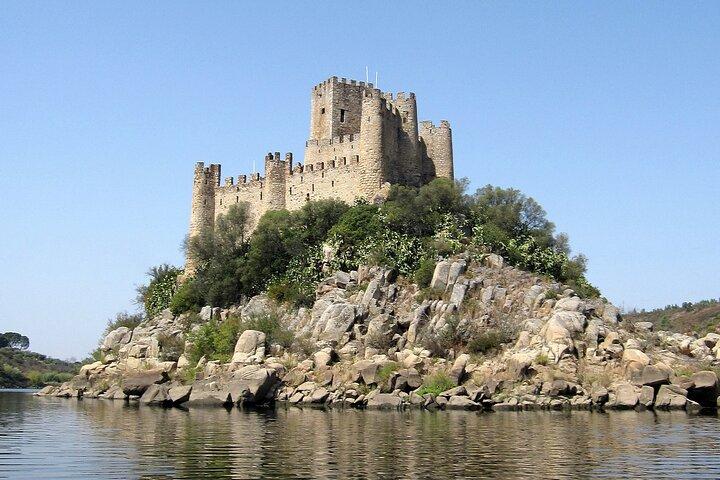
  • Santarém Castle: This majestic castle, dating back to the 12th century, dominates the city skyline. Its imposing walls, fortified towers, and panoramic views offer a glimpse into the city’s rich history.
  • Santarém Cathedral: This Gothic cathedral, built in the 16th century, is a stunning example of religious architecture. Its intricate stonework, beautiful stained-glass windows, and serene interior create a peaceful atmosphere.
  • Museu Municipal de Santarém: This museum, housed in a former convent, houses a fascinating collection of archaeological artifacts, paintings, and sculptures, providing insights into the region’s history.
  • Quinta da Cardiga: This historic estate, dating back to the 16th century, is a beautiful example of Renaissance architecture. Its stunning gardens, elegant fountains, and historic buildings offer a peaceful escape.

The Natural Beauty of Ribatejo

Santarém is surrounded by breathtaking natural beauty. The Tagus River, one of the longest rivers in Europe, flows through the region, offering opportunities for boating, fishing, and other water sports. The region’s rolling hills, fertile plains, and charming villages create a picturesque landscape that is perfect for a relaxing getaway.

A Taste of Ribatejo Cuisine

Ribatejo cuisine is renowned for its hearty dishes and simple, fresh ingredients. Be sure to savor local specialties like açorda de bacalhau (a bread and codfish soup), porco preto (black pork), and migas de espargos (bread crumbs with asparagus). Pair your meal with a glass of Ribatejo wine, renowned for its robust flavors and rich character.

A Cultural Experience

Santarém hosts a variety of cultural events throughout the year, including music festivals, art exhibitions, and traditional fairs. The city’s annual festival, the Feira Nacional da Agricultura, is a highlight of the cultural calendar, featuring agricultural exhibitions, livestock shows, and traditional music.

Domagnano: A Medieval Gem in the Heart of San Marino

kickstand-project.org – Perched amidst the picturesque hills of San Marino, Domagnano is one of the nine castles that make up this tiny European republic. This charming medieval town offers a glimpse into the country’s rich history and culture, with its ancient architecture, stunning landscapes, and warm hospitality.   

A Glimpse into the Past

Domagnano’s history dates back to the Middle Ages, when it was a strategic stronghold on the slopes of Monte Titano. The town’s name is believed to derive from the Latin word “dominium,” meaning “domain” or “lordship,” reflecting its historical significance. The town’s medieval core is still well-preserved, with many buildings dating back to the 13th and 14th centuries.

Exploring the Town’s Charms

  • The Rocca: Like many of San Marino’s castles, Domagnano boasts a formidable fortress, the Rocca. This ancient stronghold offers breathtaking panoramic views of the surrounding countryside. Visitors can explore the castle’s ramparts, towers, and underground tunnels, immersing themselves in the town’s rich history.
  • Medieval Streets and Squares: Domagnano’s narrow, winding streets are lined with charming stone houses and quaint shops. The town’s main square, Piazza della Libertà, is a lively hub of activity, with cafes, restaurants, and local artisans selling their wares.  
  • Natural Beauty: Surrounded by rolling hills and lush forests, Domagnano offers plenty of opportunities for outdoor activities. Hiking and biking trails wind through the countryside, providing stunning views of the town and the surrounding landscape. 

A Unique Cultural Experience

Domagnano is steeped in San Marino’s unique culture and traditions. The town hosts various festivals and events throughout the year, celebrating local customs and heritage. Visitors can experience the warm hospitality of the locals, sample delicious traditional cuisine, and witness captivating performances of folk music and dance.   

A Peaceful Retreat

Domagnano offers a peaceful retreat from the hustle and bustle of modern life. The town’s tranquil atmosphere, combined with its stunning natural beauty and rich cultural heritage, make it an ideal destination for those seeking a relaxing and authentic travel experience.

Constanța: A Seaside Gem on the Black Sea

kickstand-project.org – Constanța, Romania’s largest port city and a major tourist destination, is a captivating blend of history, culture, and natural beauty. Situated on the shores of the Black Sea, Constanța offers a unique blend of urban excitement and coastal tranquility.

A Glimpse into History

Constanța’s history dates back to ancient times, when it was known as Tomis. The city has been influenced by various cultures, including Greek, Roman, Byzantine, and Ottoman. This rich history is evident in the city’s numerous historical landmarks, such as the Roman Mosaic, the Great Mosque, and the Genoese Fortress.

A Seaside Paradise

Constanța’s prime location on the Black Sea makes it a popular summer destination for both domestic and international tourists. The city’s beautiful beaches, crystal-clear waters, and warm climate attract sunseekers and water sports enthusiasts.

Mamaia, a popular seaside resort, is located just a short distance from Constanța. This vibrant resort town offers a wide range of accommodation options, from luxury hotels to budget-friendly guesthouses.

Cultural Experiences

Constanța is a cultural hub, with a variety of museums, theaters, and art galleries. The History and Archaeology Museum of Constanța houses a diverse collection of artifacts, including Roman mosaics, medieval pottery, and Ottoman relics.

The city also hosts various cultural events throughout the year, such as music festivals, theater performances, and art exhibitions.

A Gastronomic Delight

Constanța’s culinary scene is influenced by both Romanian and Mediterranean cuisine. Fresh seafood, especially fish and mussels, is a local specialty. The city’s numerous restaurants and cafes offer a wide range of dishes to satisfy every palate.

A Warm Welcome

Constanța is a welcoming city with friendly locals. Visitors will find a warm and hospitable atmosphere, making it an ideal destination for a memorable vacation.

In conclusion, Constanța is a captivating city that offers a unique blend of history, culture, and natural beauty. Whether you’re interested in exploring ancient ruins, relaxing on the beach, or enjoying a vibrant nightlife, Constanța has something to offer everyone.

Saint-Martin: A French Caribbean Gem

kickstand-project.org – Saint-Martin, a small island in the Caribbean Sea, is divided into two parts: the French side and the Dutch side. The French side, known as the Collectivity of Saint-Martin, is a vibrant and culturally rich destination. With its stunning beaches, crystal-clear waters, and lively atmosphere, Saint-Martin offers a unique blend of French and Caribbean influences.   

A Tropical Paradise

Saint-Martin boasts beautiful beaches, ideal for sunbathing, swimming, and water sports. Orient Bay, Grand Case, and Baie Rouge are some of the most popular beaches on the island. The crystal-clear waters are perfect for snorkeling, diving, and sailing.   

A Culinary Delight

The French side of Saint-Martin is renowned for its diverse culinary scene. From traditional French cuisine to Caribbean flavors, there is something to satisfy every palate. Grand Case, often referred to as the “Gastronomic Capital of the Caribbean,” is home to numerous fine-dining restaurants.   

A Cultural Melting Pot

The French side of Saint-Martin is a multicultural destination, with influences from French, Caribbean, and African cultures. This cultural diversity is reflected in the island’s music, dance, and art. The annual Carnival celebration is a highlight of the cultural calendar, featuring colorful parades, music, and dancing.   

A Shopping Paradise

Duty-free shopping is a major draw for visitors to Saint-Martin. The island’s shops offer a wide range of luxury goods, including jewelry, watches, and designer clothing. Marigot, the capital of the French side, is a popular shopping destination. 

A Natural Beauty

Saint-Martin’s natural beauty is breathtaking. The island’s lush vegetation, volcanic hills, and stunning coastline create a picturesque landscape. Hiking trails wind through the hills, offering panoramic views of the island.   

Conclusion

Saint-Martin is a tropical paradise that offers a unique blend of French elegance and Caribbean charm. With its beautiful beaches, vibrant culture, and delicious cuisine, it is a perfect destination for a relaxing vacation or an adventurous getaway.

Bak Kut Teh: A Hearty Herbal Pork Rib Soup

kickstand-project.org – Bak Kut Teh, a savory and aromatic pork rib soup, is a beloved dish in Southeast Asia, particularly in Malaysia and Singapore. Known for its rich broth infused with herbs and spices, Bak Kut Teh offers a comforting and flavorful dining experience that has captivated locals and travelers alike.

The Origins of Bak Kut Teh

The origins of Bak Kut Teh are steeped in history and folklore. This dish is believed to have been introduced by Chinese immigrants working as laborers in Malaysia and Singapore during the early 20th century. The name “Bak Kut Teh” translates to “meat bone tea” in Hokkien, reflecting its primary ingredients and the tea often served alongside the dish. Despite the name, tea is not an ingredient in the soup but a traditional accompaniment that complements its flavors.

The Ingredients and Preparation

Bak Kut Teh is renowned for its complex and aromatic broth, made by simmering pork ribs with a blend of herbs and spices. Key ingredients typically include garlic, star anise, cinnamon, cloves, and fennel seeds, creating a fragrant and savory base. The soup is often enriched with additional ingredients such as mushrooms, tofu puffs, and beancurd skins, adding texture and enhancing the overall flavor profile.

The preparation of Bak Kut Teh requires patience and precision. The pork ribs are simmered for several hours to achieve a tender texture, allowing the flavors of the herbs and spices to meld together harmoniously. This slow cooking process results in a soup that is both hearty and deeply satisfying.

Variations of Bak Kut Teh

Bak Kut Teh has evolved into several regional variations, each offering a unique twist on the traditional recipe. In Malaysia, the soup often has a darker and more robust flavor, attributed to the generous use of soy sauce. In contrast, Singaporean versions tend to be lighter and more peppery, emphasizing the use of white pepper for a distinct kick. There are also herbal versions that incorporate traditional Chinese medicinal herbs, believed to offer health benefits.

Enjoying Bak Kut Teh

Bak Kut Teh is typically enjoyed as a communal meal, served with steamed rice and accompanied by an array of side dishes such as pickled vegetables, fried dough sticks (you tiao), and chili sauce. The soup is often paired with a pot of Chinese tea, which helps cleanse the palate and complements the rich flavors of the dish.

Conclusion

Bak Kut Teh is more than just a soup; it is a culinary tradition that brings people together over a shared appreciation for its rich and aromatic flavors. Whether you prefer the savory, soy-infused Malaysian version or the peppery Singaporean style, Bak Kut Teh offers a taste of Southeast Asia’s diverse culinary heritage. With each bowl, you can savor the warmth and comfort that this beloved dish provides.

Vanuatu: Melanesian, Customary, and Tribal

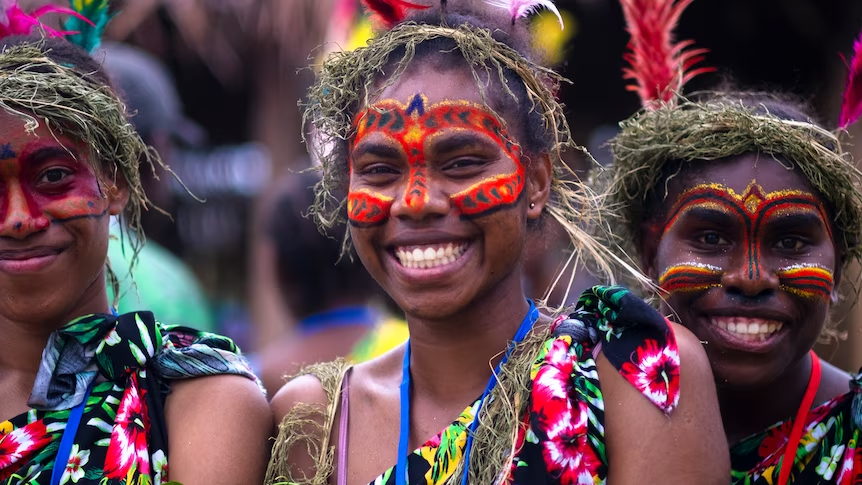
kickstand-project.org – Vanuatu, a picturesque archipelago in the South Pacific Ocean, is a nation rich in cultural diversity and traditional heritage. Known for its Melanesian roots, customary practices, and tribal societies, Vanuatu offers a fascinating glimpse into the unique ways of life that have been preserved over centuries. This article explores the key elements that define Vanuatu’s cultural identity as highlighted in the comprehensive entries of the Britannica.

Melanesian Heritage

Vanuatu is part of the Melanesian region, which includes other Pacific islands such as Fiji, Solomon Islands, and Papua New Guinea. The Melanesian cultural heritage is characterized by its linguistic diversity, artistic expressions, and social structures. Vanuatu’s indigenous people, the Ni-Vanuatu, have maintained their cultural distinctiveness through a deep connection with their land and traditions.

Tribal Societies and Social Structure

The tribal system in Vanuatu plays a central role in the organization of society. Each island and even individual villages within the archipelago have their distinct tribes, each governed by a chief or group of elders. These leaders are responsible for maintaining social order, organizing communal activities, and upholding customary laws.

Tribal affiliation is a source of identity and pride for the Ni-Vanuatu. It dictates social relationships, land ownership, and responsibilities within the community. The tribal system ensures that cultural practices and traditions are preserved and passed down through generations.

Customary Practices

Customs, or “Kastom,” are deeply ingrained in Vanuatu’s cultural identity. These customary practices encompass a wide range of activities, including rituals, ceremonies, and social norms. Kastom is a living tradition that adapts to contemporary influences while retaining its core principles.

Ceremonial Life

Ceremonies are integral to the cultural fabric of Vanuatu. They mark important life events such as births, marriages, and deaths, as well as seasonal and agricultural cycles. The Naghol, or land diving ceremony, is one of the most iconic rituals, symbolizing renewal and community solidarity.

Customary Law

Customary law governs many aspects of life in Vanuatu, from land disputes to marriage arrangements. It operates alongside the formal legal system, providing a framework for conflict resolution and social cohesion. Customary law is based on traditional values and is enforced by community leaders, ensuring the preservation of cultural norms.

The Role of Art and Music

Art and music are vital components of Vanuatu’s cultural expression. Traditional art forms, such as wood carving, pottery, and weaving, reflect the island’s rich heritage and are used in ceremonial contexts. Music, often accompanied by dance, plays a crucial role in storytelling and community bonding.

The slit drum, a large wooden percussion instrument, is emblematic of Vanuatu’s musical tradition. Its deep, resonant sound is used in both ceremonial and social settings, fostering a sense of identity and continuity among the people.

Conclusion: A Cultural Tapestry

Vanuatu’s cultural landscape is a vibrant tapestry of Melanesian heritage, customary practices, and tribal traditions. The Ni-Vanuatu people’s dedication to preserving their cultural identity amid modern influences is a testament to their resilience and adaptability. As described in Britannica’s insightful entries, Vanuatu remains a living repository of ancient customs and a beacon of cultural diversity in the Pacific.

Taman Jepang: Keindahan dan Simbolisme dalam Lanskap

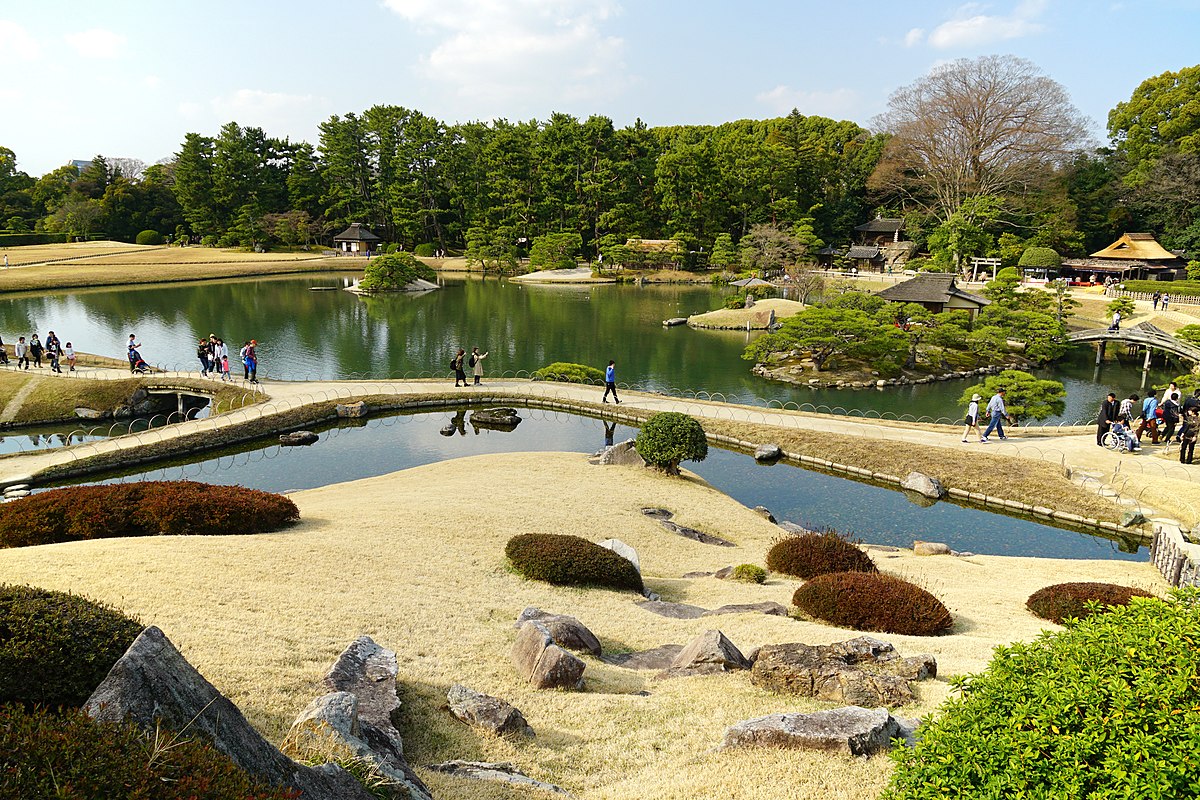
kickstand-project – Taman Jepang adalah salah satu bentuk seni lansekap yang paling mengagumkan dan menawan, mencerminkan keindahan alam serta filosofi yang dalam. Taman ini tidak hanya berfungsi sebagai tempat rekreasi, tetapi juga sebagai wadah untuk merenung dan menghargai keindahan alam. Dalam artikel ini, kita akan menjelajahi keindahan, elemen, dan simbolisme yang terdapat dalam taman Jepang.

Taman Jepang telah ada sejak ribuan tahun lalu, berkembang seiring dengan perkembangan kebudayaan Jepang itu sendiri. Konsep taman di Jepang dipengaruhi oleh berbagai aliran, termasuk Shinto, Budha, dan filosofi Tiongkok. Pada awalnya, taman Jepang dibuat sebagai tempat suci untuk upacara keagamaan, tetapi seiring berjalannya waktu, taman ini mulai berfungsi sebagai tempat relaksasi dan refleksi.

Elemen Utama dalam Taman Jepang

Taman Jepang biasanya terdiri dari beberapa elemen utama yang saling melengkapi, antara lain:

  1. Air: Elemen air seringkali menjadi pusat dari taman Jepang. Ini bisa berupa kolam, sungai, atau air terjun. Air dianggap sebagai simbol kehidupan dan murni dalam budaya Jepang.
  2. Batu: Batu memiliki makna simbolis dalam taman Jepang. Mereka dapat mewakili gunung, pulau, atau bahkan makhluk hidup. Penempatan batu yang tepat juga menciptakan harmoni visual.
  3. Tanaman: Tanaman yang digunakan dalam taman Jepang dipilih dengan cermat. Setiap jenis tanaman memiliki makna tersendiri, seperti pohon sakura yang melambangkan keindahan yang sementara, atau bambu yang melambangkan ketahanan.
  4. Jalan Setapak: Jalan setapak yang berkelok-kelok mengundang pengunjung untuk menjelajahi taman secara perlahan. Ini menciptakan pengalaman yang lebih mendalam dan memungkinkan pengunjung untuk menikmati setiap sudut taman.
  5. Struktur Arsitektur: Jembatan, paviliun, dan bangunan tradisional lainnya sering kali ditambahkan untuk meningkatkan keindahan taman. Struktur ini biasanya terbuat dari bahan alami dan dirancang untuk berbaur dengan lingkungan sekitar.

taman-jepang-keindahan-dan-simbolisme-dalam-lanskap

Simbolisme dalam Taman Jepang

Setiap elemen dalam taman Jepang memiliki makna dan simbolisme tersendiri. Berikut beberapa contoh:

  • Gunung: Biasanya diwakili oleh tumpukan batu, melambangkan kekuatan dan keteguhan.
  • Air: Selain simbol kehidupan, air juga melambangkan kesegaran dan pembaruan. Air yang mengalir dianggap membawa keberuntungan.
  • Pohon: Pohon dalam taman Jepang bukan hanya untuk keindahan, tetapi juga melambangkan umur panjang dan kebijaksanaan. Misalnya, pohon pinus dianggap sebagai simbol ketahanan.
  • Bunga: Bunga, terutama sakura, melambangkan keindahan yang sementara dan siklus kehidupan yang terus berputar. Ini mengingatkan kita untuk menghargai setiap momen dalam hidup.

taman-jepang-keindahan-dan-simbolisme-dalam-lanskap

Saat ini, taman Jepang tidak hanya ditemukan di situs slot jepang, tetapi juga di berbagai belahan dunia. Desain taman Jepang modern sering kali menggabungkan elemen tradisional dengan sentuhan kontemporer, menciptakan ruang yang harmonis dan damai. Taman ini sering dijadikan tempat untuk meditasi, yoga, atau sekadar bersantai dan menikmati keindahan alam.

Taman Jepang adalah perwujudan keindahan, ketenangan, dan simbolisme yang mendalam. Dengan elemen-elemen yang terpilih dengan cermat, taman ini mengajak kita untuk merenung dan menghargai keajaiban alam. Baik sebagai tempat rekreasi maupun sebagai ruang spiritual, taman Jepang terus memikat hati banyak orang dan menjadi contoh sempurna dari seni lansekap yang harmonis. Mengunjungi taman Jepang bukan hanya sekadar berjalan-jalan, tetapi juga merupakan pengalaman untuk memahami filosofi dan budaya yang mendalam di balik keindahan alam tersebut.

Switzerland: Neutral Nest – A Tradition of Neutrality

kickstand-project.org – Switzerland, often dubbed the “Neutral Nest,” is a country renowned for its longstanding tradition of neutrality, breathtaking landscapes, and high standard of living. Nestled in the heart of Europe, this landlocked nation offers a unique blend of cultural richness and natural beauty, making it a captivating destination for travelers and a stable environment for residents.

A Tradition of Neutrality

Switzerland’s policy of neutrality is one of its most defining characteristics. For centuries, Switzerland has maintained a neutral stance in international conflicts, earning it a reputation as a peaceful and stable country. This neutrality has allowed Switzerland to play a vital role in international diplomacy, hosting numerous peace talks and serving as the headquarters for various international organizations, including the Red Cross and parts of the United Nations.

Scenic Splendor

Switzerland is home to some of the most stunning landscapes in the world. From the majestic peaks of the Alps to the serene beauty of its lakes, such as Lake Geneva and Lake Lucerne, the Swiss landscape is a paradise for nature lovers and outdoor enthusiasts. The country’s well-preserved natural beauty is complemented by charming villages and vibrant cities, where traditional Swiss architecture meets modern design.

Cultural Diversity

Despite its small size, Switzerland boasts a rich cultural diversity. The country is home to four official languages—German, French, Italian, and Romansh—reflecting its varied cultural heritage. This linguistic diversity is mirrored in the country’s festivals, cuisine, and traditions, offering a unique cultural experience in each region. From the vibrant carnival celebrations in Basel to the traditional cow parades in the Alps, Switzerland’s cultural tapestry is as diverse as its landscape.

Economic Stability and Innovation

Switzerland is known for its robust economy and innovation. The country is a global leader in sectors such as finance, pharmaceuticals, and technology. Its economic stability is further enhanced by a strong education system and a focus on research and development. Swiss cities like Zurich and Geneva are consistently ranked among the world’s most livable, offering a high quality of life and excellent public services.

Conclusion

Switzerland is a “Neutral Nest” that offers a harmonious blend of peace, natural beauty, and cultural diversity. Its tradition of neutrality, coupled with its commitment to innovation and sustainability, makes it not just a destination to visit, but a model of stability and prosperity. Whether you’re exploring the picturesque Swiss countryside or experiencing the cultural vibrance of its cities, Switzerland provides a peaceful and enriching environment that captivates all who visit.

Tur Ke Pulau Koh Rong: Surga Tropis di Kamboja

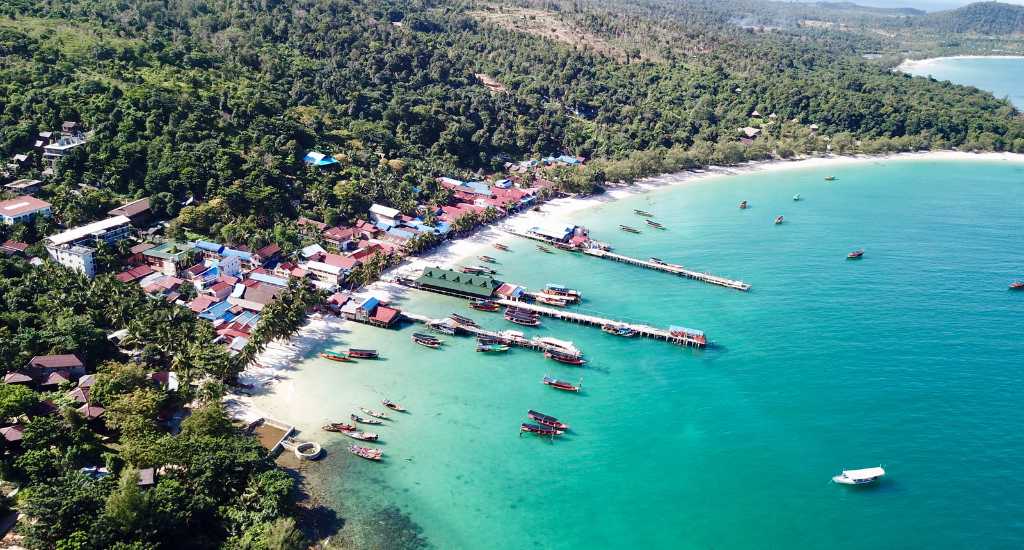
kickstand-project – Koh Rong, sebuah pulau yang terletak di lepas pantai barat Kamboja, menjadi salah satu destinasi wisata yang paling menarik bagi para pelancong yang mencari pengalaman tropis yang tak terlupakan. Dengan pantai berpasir putih, air laut yang jernih, dan hutan tropis yang rimbun, Koh Rong menawarkan keindahan alam yang luar biasa dan berbagai aktivitas menarik.

Koh Rong dikenal dengan pemandangan alamnya yang memukau. Pantai-pantai seperti Sok San Beach dan Long Beach adalah tempat yang ideal untuk bersantai, berjemur, atau sekadar menikmati pemandangan matahari terbenam yang spektakuler. Air laut yang jernih dan hangat membuat pulau ini juga sangat cocok untuk aktivitas snorkeling dan menyelam, di mana pengunjung dapat menjelajahi terumbu karang yang kaya akan keanekaragaman hayati.

tur-ke-pulau-koh-rong-surga-tropis-di-kamboja

Bagi para penggemar petualangan, Koh Rong menyediakan berbagai kegiatan menarik. Trekking di hutan tropis, berlayar dengan perahu, dan memancing adalah beberapa pilihan yang bisa dinikmati. Selain itu, pengunjung juga dapat mencoba zip-lining di antara pepohonan, merasakan sensasi berpetualang di ketinggian.

Koh Rong juga terkenal dengan kehidupan malamnya yang meriah. Banyak bar dan restoran di sepanjang pantai yang menyajikan makanan lezat dan minuman segar. Tidak jarang, pengunjung dapat menikmati pertunjukan musik live dan pesta pantai yang menggembirakan.

Di Koh Rong, pengunjung dapat menemukan berbagai pilihan akomodasi, mulai dari hostel yang ramah anggaran hingga resort mewah. Banyak penginapan yang menawarkan pemandangan laut langsung dari kamar, sehingga tamu dapat menikmati keindahan pulau ini setiap saat.

tur-ke-pulau-koh-rong-surga-tropis-di-kamboja

Koh Rong dapat diakses melalui perjalanan feri dari Sihanoukville, kota pesisir yang terletak sekitar 30 kilometer dari pulau ini. Perjalanan feri memakan waktu sekitar 45 menit hingga satu jam, memberikan pengalaman perjalanan yang menenangkan dengan pemandangan laut yang menawan.

Koh Rong adalah surga tropis yang menawarkan kombinasi sempurna antara keindahan alam, aktivitas menarik, dan pengalaman budaya yang kaya. Dengan pantai-pantai yang menakjubkan, hutan tropis yang rimbun, dan keramahan penduduk setempat, pulau ini semakin menjadi salah satu destinasi wisata yang wajib dikunjungi di situs slot kamboja. Jika Anda mencari pelarian dari kesibukan kota dan ingin merasakan keindahan alam yang autentik, Koh Rong adalah pilihan yang tepat.

Afif Stars as Qatar Defeat Jordan to Retain Title

kickstand-project.org – Doha, Qatar: In a display of skill, determination, and sheer willpower, Qatar emerged victorious in the AFC Asian Cup final, defeating Jordan 3-1 to retain their title. The match, held at the iconic Lusail Stadium, was a testament to the host nation’s football prowess, with Akram Afif shining brightest among the stars.

Akram Afif’s Match-Winning Performance

Akram Afif was the undisputed hero of the night, scoring a hat-trick of penalties to lead Qatar to victory. His composure and precision from the spot were exemplary, showcasing his status as one of the finest talents in Asian football. Afif’s performance was not just match-winning; it was a statement of his capabilities on the grandest stage.

A Hard-Fought Victory

The final was a closely contested affair, with both teams displaying exceptional defensive resilience and attacking flair. However, it was Qatar’s ability to convert opportunities that ultimately made the difference. The match was tied 1-1 at the end of the regulation time, and Qatar scored all three of their penalties in the shootout, with Afif’s contributions proving decisive.

Celebrations and Accolades

The victory was a cause for immense celebration in Qatar, with fans and officials alike hailing the team’s achievement. Amir H H Sheikh Tamim bin Hamad Al Thani was present to congratulate the team and present the trophy, marking a historic moment for the nation. Akram Afif was rightfully recognized as the player of the match, his name now etched in the annals of the Asian Cup.

A Legacy Cemented

Qatar’s retention of the AFC Asian Cup title is a significant milestone in their footballing journey. The victory not only solidifies their status as one of Asia’s top football nations but also sets a benchmark for future tournaments. Akram Afif’s stellar performance in the final will be remembered as a defining moment in the tournament’s history, a testament to his skill and the team’s collective effort.

Conclusion

The AFC Asian Cup final was a showcase of top-level football, with Qatar’s victory a fitting end to an enthralling tournament. Akram Afif’s match-winning performance was the highlight of the night, but it was the team’s unity and determination that secured their place in history. As Qatar continues to build on its footballing legacy, the memories of this triumph will inspire future generations.

The Art and Architecture of Easter Island

kickstand-project.org – Easter Island, known as Rapa Nui, is a remote island in the southeastern Pacific Ocean, famous for its monumental stone statues and unique architectural structures. The island’s art and architecture are a testament to the ingenuity and cultural richness of the Rapa Nui people, who developed a distinct artistic and architectural tradition over centuries.

The Monolithic Moai Statues

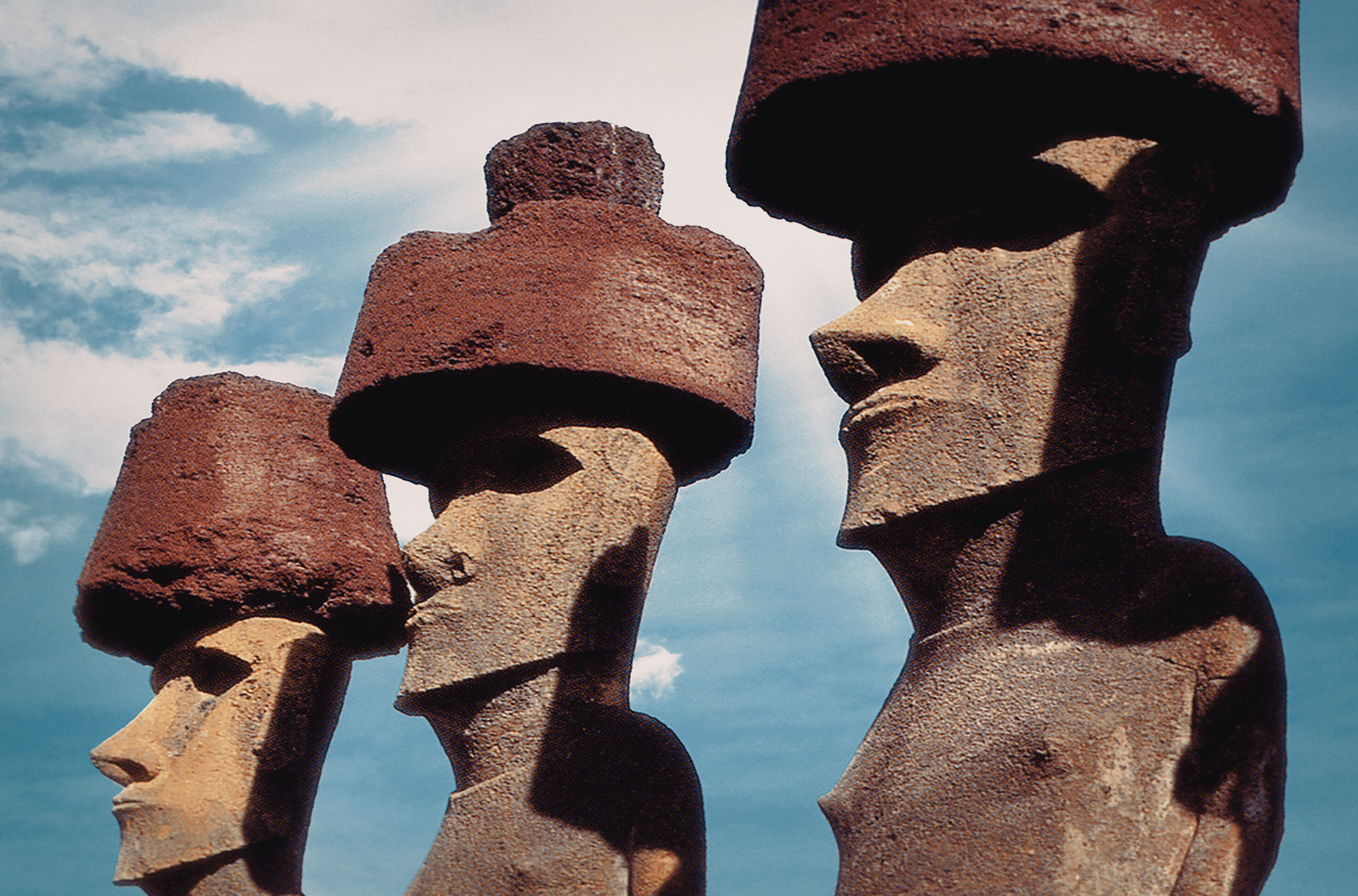
The most iconic and recognizable art form on Easter Island are the monolithic moai statues. These massive stone figures, carved from volcanic rock, are believed to represent deceased ancestors and were erected as a form of worship and remembrance. The moai statues vary in size, with the largest reaching heights of over 30 feet and weighing more than 80 tons. The creation and transportation of these statues required significant engineering and organizational skills, reflecting the advanced capabilities of the Rapa Nui civilization.

Ritual Architecture: The Ahu Platforms

The moai statues were typically placed on large stone platforms called ahu. These platforms served as ceremonial centers and were often aligned with astronomical events, indicating the Rapa Nui people’s sophisticated understanding of celestial movements. The ahu platforms were constructed using large basalt stones and were often adorned with carvings and other decorative elements, showcasing the Rapa Nui’s architectural prowess.

Hare Paenga: Canoe-Shaped Houses

In addition to the monumental structures, the Rapa Nui also developed unique residential architecture. The hare paenga, or canoe-shaped houses, were semi-subterranean dwellings designed to withstand the island’s harsh weather conditions. These houses were built with a curved roof resembling the hull of a canoe, providing both stability and protection. The design of the hare paenga reflects the Rapa Nui’s deep connection to the sea and their practical approach to architecture.

Other Artistic Forms

While the stone statues and platforms are the most famous, the Rapa Nui also produced a variety of other artistic forms. These include wood carvings, bark cloth (tapa), and intricate petroglyphs. These art forms, often less durable than stone, provide insight into the daily life, beliefs, and artistic expressions of the Rapa Nui people. The use of wood and bark cloth in art demonstrates the islanders’ resourcefulness and their ability to create beauty from the materials available to them.

Conclusion

The art and architecture of Easter Island are a remarkable blend of cultural expression, engineering skill, and spiritual significance. From the towering moai statues to the intricate ahu platforms and the practical yet elegant hare paenga, the Rapa Nui people left behind a legacy that continues to captivate and inspire. Their creations stand as a testament to human creativity and the enduring power of cultural heritage.

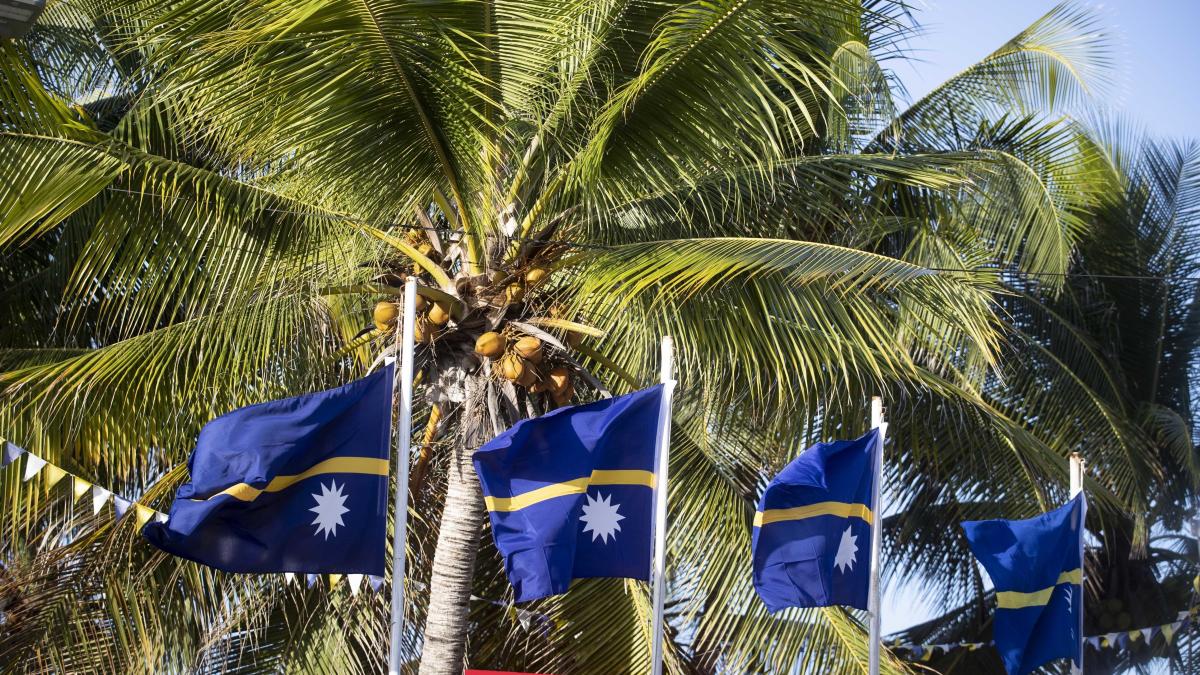
Nauru’s Political System and Governance

kickstand-project.org – Nauru, a small island nation in the Central Pacific, has a unique political system that blends traditional and modern governance structures. This article delves into the key aspects of Nauru’s political system, including its governance, branches of government, and the roles and responsibilities of its political institutions.

Political Structure

Nauru operates under a parliamentary representative democratic republic framework, where the President serves as both the Head of State and Head of Government. The President is elected by the 18 members of the unicameral Parliament, which is also known as the Nauru Parliament.

Executive Branch

The President of Nauru is elected by the Parliament for a three-year term. The President appoints a Cabinet from among the members of Parliament, which assists in the administration of the government. The current President, as of October 2023, is David Ranibok Adeang.

Legislative Branch

The legislative power in Nauru is vested in the unicameral Parliament, which consists of 18 members elected by universal suffrage for a three-year term. The Speaker of the Parliament is the 19th member and is elected from among the members of Parliament. The Parliament is responsible for enacting laws and overseeing the executive branch.

Judicial Branch

The judicial system in Nauru is independent of the executive and legislative branches. The Supreme Court is the highest court in the country, and it has both original and appellate jurisdiction. The Court of Appeal is the final appellate court, and its decisions are binding on all other courts.

Governance and Accountability

Nauru’s governance is characterized by a strong emphasis on accountability and inclusivity. The United Nations Development Programme (UNDP) supports key democratic institutions in Nauru, such as the National Parliament, to ensure effective, inclusive, and accountable political governance. This support is crucial for maintaining the integrity of the political system and ensuring that it remains responsive to the needs of the Nauruan people.

Traditional and Modern Governance

Nauru’s political system has roots in traditional governance structures, which were led by chiefs and elders. The colonial history of Nauru has also significantly influenced its current political structures. Despite these traditional roots, Nauru has integrated modern governance practices, creating a unique blend of traditional and contemporary political systems.

Political History

Nauru has a volatile political history, with over 36 changes of government since independence in 1968. This volatility is reflected in the frequent changes of administration, with 17 changes occurring between 1989 and 2003 alone. This political instability has been a significant challenge for the country, affecting its governance and development.

Conclusion

Nauru’s political system is a complex interplay of traditional and modern governance structures. The parliamentary representative democratic republic framework ensures that the President, as both Head of State and Head of Government, is elected by the Parliament. The emphasis on accountability and inclusivity, supported by international organizations like the UNDP, is crucial for maintaining the integrity of Nauru’s political system. Despite its volatile political history, Nauru continues to navigate its unique path in governance, blending traditional and modern practices to meet the needs of its people.

Iceland’s Natural Wonders: Waterfalls, Fjords, and Glaciers

kickstand-project.org – Iceland, a land of fire and ice, is renowned for its breathtaking natural wonders that attract visitors from around the globe. From the majestic waterfalls that cascade down ancient cliffs to the serene fjords that carve through the rugged coastline, and the awe-inspiring glaciers that dominate the landscape, Iceland’s natural beauty is unparalleled.

Waterfalls: Liquid Artistry

Iceland’s waterfalls are among the most spectacular in the world, each with its own unique character and charm. The most famous of these is Gullfoss, located in the Golden Circle, which thunders down in two massive drops into a deep gorge. Another iconic waterfall is Dettifoss, known for its powerful flow and the dramatic setting within the Jökulsárgljúfur canyon. The waterfalls of Iceland are not just visual spectacles; they are also a testament to the island’s rich hydrological resources, shaped by its volcanic and glacial origins.

Fjords: Coastal Masterpieces

The Icelandic coastline is dotted with deep fjords, the result of centuries of glacial activity. These fjords are not only scenic but also rich in marine life, making them a haven for wildlife enthusiasts. The Westfjords, with their remote and rugged beauty, offer some of the most spectacular fjord landscapes in the country. The Snæfellsnes Peninsula, with its iconic Snæfellsjökull glacier-capped volcano, is another must-visit fjord area, offering a blend of natural beauty and cultural heritage.

Glaciers: Iceland’s Frozen Crown

Glaciers are the crown jewels of Iceland’s natural landscape, covering about 11% of the country. Vatnajökull, the largest glacier in Europe, is a vast ice cap that conceals active volcanoes and deep ice caves, offering a glimpse into the raw power of nature. Another famous glacier is Langjökull, where visitors can explore man-made ice tunnels and learn about the importance of glaciers in Iceland’s climate and hydrology. The glaciers of Iceland are not just scenic; they are also critical to the country’s ecosystem, providing fresh water and influencing the climate.

Conclusion

Iceland’s natural wonders—its waterfalls, fjords, and glaciers—are a testament to the island’s unique geological history and its ongoing processes of creation and destruction. These wonders not only offer unparalleled beauty but also provide valuable insights into the Earth’s natural processes. As we continue to explore and appreciate these natural treasures, it is crucial to remember the importance of preserving them for future generations to enjoy.

Preserving Heritage & Knowledge: Indigenous Cultures of Australia

kickstand-project.org – Australia is home to one of the world’s oldest continuous cultures, with Indigenous Australians having lived on the continent for over 65,000 years. This long history has given rise to a rich tapestry of cultures, languages, and traditions that are integral to the national identity of Australia. The Indigenous peoples, including Aboriginal and Torres Strait Islander communities, have developed deep connections to the land, which are reflected in their art, music, storytelling, and spiritual beliefs.

The Importance of Cultural Preservation

Preserving the heritage and knowledge of Indigenous Australian cultures is crucial for several reasons. Firstly, it ensures the survival of unique languages and traditions that are at risk of being lost. Secondly, it provides a sense of identity and continuity for Indigenous peoples, which is essential for their well-being and resilience. Additionally, the knowledge systems of Indigenous Australians, particularly regarding environmental management and sustainability, offer valuable insights that can benefit society as a whole.

Challenges in Preserving Indigenous Heritage

Despite the importance of preserving Indigenous cultures, there are significant challenges. Colonization and the subsequent policies of assimilation have led to the loss of languages, disruption of cultural practices, and the destruction of sacred sites. The impact of these historical injustices is still felt today, with many Indigenous communities facing social and economic disadvantages that hinder their ability to maintain their heritage.

Initiatives for Cultural Preservation

To address these challenges, various initiatives have been undertaken to preserve and celebrate Indigenous Australian cultures. These include:

Language Revitalization Programs

Efforts to revive and teach Indigenous languages are crucial for cultural preservation. Language apps, language classes, and immersion programs for children are some of the strategies being used to keep these languages alive.

Cultural Centers and Museums

Cultural centers and museums play a vital role in educating the public about Indigenous cultures. They provide spaces for the display of art, the sharing of stories, and the performance of traditional music and dance.

Legal Protections for Sacred Sites

Legal measures to protect sacred sites from development and desecration are essential. These protections ensure that Indigenous peoples can continue to access and care for their ancestral lands.

Support for Indigenous Art and Media

Supporting Indigenous artists and media producers helps to amplify Indigenous voices and share stories on a broader stage. This includes funding for art projects, films, and literature that reflect Indigenous perspectives.

The Role of Technology in Cultural Preservation

Technology is increasingly being used as a tool for cultural preservation. Digital archives, virtual reality experiences, and online platforms provide new ways to document, share, and engage with Indigenous cultures. These technologies can reach wider audiences and create opportunities for cross-cultural understanding and appreciation.

Conclusion

Preserving the heritage and knowledge of Indigenous Australian cultures is not only a matter of historical importance but also a vital step towards reconciliation and the recognition of the rights of Indigenous peoples. By supporting initiatives that promote cultural preservation, Australia can ensure that the rich tapestry of Indigenous cultures continues to thrive and contribute to the nation’s identity for generations to come.

Traveling with Pets: A Comprehensive Guide

kickstand-project.org – Traveling with pets can be a rewarding experience, but it also comes with specific requirements that must be met to ensure a smooth journey. Whether you’re planning a domestic or international trip, understanding the necessary documents and health checks for your pet is crucial. Here’s a detailed guide to help you navigate the process of obtaining a pet passport and ensuring your furry friend meets all the travel requirements.

Key Requirements for Traveling with Pets

  1. Microchip Implantation:

    • Most countries require that pets be microchipped before traveling. This is a crucial step as it provides a permanent form of identification for your pet2.
  2. Rabies Vaccination:

    • A rabies vaccination is mandatory for dogs, cats, and ferrets. This is a critical health requirement to prevent the spread of rabies, a fatal disease14.
  3. Health Certificate:

    • A health certificate issued by a licensed veterinarian is required. This document certifies that your pet is healthy enough to travel and has been vaccinated against rabies14.
  4. USDA Endorsement:

    • For international travel, the health certificate must be endorsed by the United States Department of Agriculture (USDA). This endorsement verifies the authenticity of the health certificate and ensures compliance with international regulations1.
  5. Destination-Specific Requirements:

    • Requirements can vary significantly from one country to another. It’s essential to research and confirm the specific requirements for your destination to avoid any last-minute surprises5.

The Pet Passport Process

The process of obtaining a pet passport involves several steps:

  1. Research and Confirmation:

    • Start by researching the travel requirements for your destination. This includes understanding the specific health and documentation requirements5.
  2. Visit Your Veterinarian:

    • Schedule an appointment with your vet to ensure your pet is up-to-date on all vaccinations, including the rabies vaccine. Your vet will also issue a health certificate5.
  3. Microchip Implantation:

    • If your pet is not already microchipped, this should be done before or during your vet visit.
  4. USDA Endorsement:

    • For international travel, submit the health certificate to the USDA for endorsement. This can typically be done online or in person at designated USDA offices1.
  5. Check with Your Airline or Carrier:

    • Airlines and other carriers have specific policies regarding the transport of pets. Ensure you check these policies well in advance to make necessary arrangements10.

Conclusion

Traveling with pets requires careful planning and adherence to specific health and documentation requirements. By following these guidelines, you can ensure a safe and stress-free journey for both you and your pet. Whether you’re traveling within the United States or abroad, understanding and meeting these requirements is essential for a successful trip.

The Gambia’s Health Care: Access & Quality

kickstand-project.org – The Gambia’s healthcare system faces significant challenges in providing accessible and quality care to its population. Despite efforts to improve health outcomes, the country continues to grapple with issues related to access, quality, and the availability of healthcare services.

Access to Healthcare

Access to healthcare in The Gambia is influenced by several factors including geographical location, socioeconomic status, and the availability of health facilities. The country has a comprehensive policy framework aimed at empowering adolescents through health education, which is a positive step towards improving health literacy and access to care. However, there are notable disparities in access to basic health facilities across different regions. The primary healthcare system in The Gambia is characterized by a shortage of skilled health professionals, with only 5.9 per 10,000 population allocated compared to the WHO target of 4.45 physicians, nurses, and support workers per 10,000 population.

Women of reproductive age face particularly high challenges in accessing healthcare services. Factors such as age, region, working status, parity, residence, and wealth significantly impact their ability to access healthcare. In rural areas, patients often seek initial care from pharmacies and informal drug-sellers rather than community-based health workers, indicating a lack of trust in the formal healthcare system.

Quality of Healthcare

The quality of healthcare in The Gambia is also a concern. The healthcare system suffers from a lack of specialized skills among health professionals and poor information management, which affects the overall quality of care. The introduction of the National Health Insurance Scheme (NHIS) in 2021 is a step towards promoting universal health coverage (UHC), but challenges remain in ensuring that all citizens have access to quality healthcare services.

The Healthcare Access and Quality Index (HAQ) provides a summary indicator of personal healthcare access and quality based on mortality from causes amenable to health care. The Gambia’s HAQ score reflects the challenges in providing quality healthcare services, particularly in rural areas where access to quality care is limited.

Policy Recommendations and Future Directions

To address the challenges in healthcare access and quality, several policy recommendations have been proposed. These include improving governance, ensuring the availability of essential medicines and supplies, and enhancing the capacity of health facilities to provide comprehensive care. The National Development Plan (2018-2021) outlines strategies to improve access to healthcare services, emphasizing the need for sustainable funding and infrastructure development.

In conclusion, while The Gambia has made strides in improving its healthcare system, significant challenges remain in ensuring universal access to quality healthcare. Addressing these challenges requires a multi-faceted approach that includes strengthening the healthcare workforce, improving infrastructure, and enhancing the quality of care provided.

Tradition and Transformation: The Maasai of Kenya

kickstand-project.org – The Maasai are one of the most well-known ethnic groups in Kenya, renowned for their distinctive customs, attire, and lifestyle. Traditionally pastoralists, the Maasai have a rich cultural heritage that has fascinated people around the world. However, as Kenya continues to modernize, the Maasai are at a crossroads, balancing their traditional ways with the pressures of a changing world. This article explores the delicate balance between tradition and transformation within the Maasai community.

Traditional Maasai Culture

Pastoral Lifestyle

The Maasai are traditionally semi-nomadic pastoralists, with their lifestyle centered around the care and management of their livestock, particularly cattle. Cattle are not only a source of food but also a symbol of wealth and status. The Maasai’s intimate knowledge of their environment and their ability to sustain themselves in the arid regions of Kenya and Tanzania are a testament to their resilience and adaptability.

Social Structure and Rites of Passage

Maasai society is organized into clans and age-sets, with each medusa88 login age-group playing a specific role in the community. Rites of passage, such as the Eunoto ceremony, mark the transition from one age-set to another, signifying a change in social status and responsibilities. These ceremonies are integral to Maasai identity and community cohesion.

Dress and Adornment

The Maasai are easily recognized by their distinctive dress, which includes red shukas (cloths), beaded jewelry, and intricate hairstyles. These adornments are not only aesthetic but also carry symbolic meanings, indicating marital status, age-set, and personal achievements.

The Impact of Modernization

Economic Changes

As Kenya’s economy has grown, so too has the pressure on the Maasai to adapt. Many Maasai communities are now engaging in tourism, offering cultural experiences to visitors. While this has provided new economic opportunities, it has also raised concerns about the commercialization of their culture.

Environmental Challenges

Climate change and environmental degradation have posed significant challenges to the Maasai’s traditional pastoral lifestyle. Droughts and competition for land have forced many Maasai to reconsider their relationship with their environment and explore alternative livelihoods.

Education and Technology

Access to education and technology is transforming the Maasai community. Young Maasai are increasingly embracing formal education and using technology to connect with the wider world. This has led to a new generation of Maasai who are striving to blend traditional values with modern knowledge to address the challenges facing their community.

Balancing Tradition and Transformation

Cultural Preservation Efforts

Recognizing the value of their heritage, the Maasai are actively working to preserve their culture. Initiatives such as cultural festivals, community-based conservation projects, and educational programs aim to instill pride in Maasai traditions while preparing the community for the future.

The Role of Women

Maasai women are playing a crucial role in this transformation. They are increasingly involved in decision-making processes and are using their influence to advocate for education, health, and economic empowerment within their communities.

Looking Forward

The Maasai’s journey is a testament to the enduring strength of culture in the face of change. By embracing both tradition and transformation, the Maasai are charting a course that honors their past while preparing for the future. As they continue to navigate the complexities of modern life, the Maasai remain a vibrant and resilient community, rich in heritage and full of hope for the generations to come.

The Legacy of Track and Field: Jamaican Sports

kickstand-project.org – Jamaica, a small island nation in the Caribbean, has left an indelible mark on the world of sports, particularly in the realm of track and field. The legacy of Jamaican athletes in this discipline is a testament to the country’s rich sporting culture and the dedication of its sportspeople. This article delves into the history, achievements, and enduring impact of Jamaican track and field athletes on the global stage.

The Roots of Jamaican Track and Field

The story of Jamaican track and field begins in the early 20th century, with the sport gaining popularity as a means of fostering physical fitness and competitive spirit among the island’s youth. Schools and community centers played pivotal roles in nurturing athletic talent, laying the groundwork for future success.

Rise to International Prominence

Jamaica’s rise to international prominence in track and field can be traced back to the 1948 London Olympics, where Arthur Wint became the first Jamaican to win a gold medal in the 400 meters. This victory was a watershed moment, signaling the arrival of Jamaican athletes on the world stage.

The Golden Era

The 1950s and 1960s were a golden era for Jamaican track and field, with athletes like Herb McKenley, George Rhoden, and Merlene Ottey achieving significant success. Ottey, in particular, became a legend, winning numerous medals at the World Championships and Olympic Games over a career that spanned several decades.

The Ascendancy of the Sprint Events

Jamaica’s dominance in sprint events has been a hallmark of its track and field legacy. The 2000s saw the emergence of Usain Bolt, who redefined sprinting with his incredible speed and charismatic presence. Bolt’s multiple world records and Olympic gold medals have cemented his status as the greatest sprinter of all time and have further elevated Jamaica’s reputation in the sport.

The Impact of the Jamaican Sprint Team

The success of individual athletes has been complemented by the achievements of Jamaican relay teams, particularly in the 4×100 meters. The men’s team, featuring Bolt and other top sprinters, has set world records and won multiple Olympic gold medals, showcasing the depth of talent in Jamaican sprinting.

Nurturing Future Champions

The legacy of Jamaican track and field is not just about past achievements but also about the ongoing development of young talent. The Jamaican Athletics Administrative Association (JAAA) and various grassroots programs play crucial roles in identifying and nurturing future champions, ensuring the continuity of the nation’s track and field legacy.

Conclusion

The legacy of Jamaican track and field is a story of perseverance, talent, and national pride. From the early successes of Arthur Wint to the global dominance of Usain Bolt and beyond, Jamaican athletes have left an indelible mark on the sport. As the nation continues to produce world-class talent, the legacy of Jamaican track and field will undoubtedly endure, inspiring future generations of athletes both at home and abroad.

A Taste of the Mountains: The Andorran Cuisine

kickstand-project.org – Nestled in the heart of the Pyrenees, Andorra offers not only breathtaking landscapes but also a rich culinary tradition that reflects its mountainous terrain and cultural influences. Andorran cuisine is a delightful blend of simplicity and heartiness, designed to sustain and comfort those who brave the high altitudes and cold weather. This article delves into the essence of Andorran cuisine, exploring its key ingredients, traditional dishes, and the unique dining experiences it offers.

The Essence of Andorran Cuisine

Andorran cuisine is characterized by its use of locally sourced ingredients, including hearty meats, fresh vegetables, and dairy products. The harsh climate and mountainous terrain have shaped a culinary tradition that emphasizes sustenance and warmth. Dishes are often robust and designed to provide energy for the day’s work or outdoor activities.

Key Ingredients

  • Meat: Pork, beef, and lamb are staples, often cured or smoked to preserve them in the mountain climate.
  • Vegetables: Potatoes, cabbage, and onions are commonly used, as they are hardy and can be grown in the region.
  • Dairy: Cheese and butter are integral, with cheese being a particular specialty, ranging from mild to strong flavors.
  • Grains: Barley and rye are used in bread and soups, providing essential carbohydrates.

Traditional Dishes

  • Trinxat: A popular dish made from mashed potatoes, cabbage, and pork, often served with a fried egg on top.
  • Escudella: A hearty soup with meatballs, vegetables, and sometimes pasta or rice, traditionally served on Christmas Day.
  • Sobrassada: A type of cured sausage made from pork, paprika, and other spices, often spread on bread.
  • Canelons: Similar to Italian cannelloni, these are tubes of pasta filled with a meaty sauce, typically served on special occasions.

Dining Experiences

Visitors to Andorra can enjoy a range of dining experiences, from cozy mountain huts serving simple, traditional fare to upscale restaurants offering modern interpretations of Andorran cuisine. Many establishments pride themselves on using organic, locally sourced ingredients, ensuring that the dishes are as authentic as possible.

Conclusion

Andorran cuisine is a testament to the resilience and resourcefulness of its people, who have crafted a culinary tradition that is both nourishing and flavorful. Whether you’re a food enthusiast or an adventurer seeking refuge in the mountains, Andorran cuisine offers a unique taste of the Pyrenees that is sure to warm the soul and satisfy the palate.

From Isolation to Integration: Albania’s Transformation

kickstand-project.org – Albania, a small country nestled on the Balkan Peninsula, has undergone a remarkable transformation over the past few decades. Once isolated from the rest of the world, it has embarked on a journey towards integration with the global community. This transformation is not just political and economic but also social and cultural, reflecting the country’s determination to leave its past behind and embrace a future of cooperation and partnership.

The Isolation Years

During the communist regime, which lasted from the end of World War II until 1991, Albania was one of the most isolated countries in the world. The government, led by Enver Hoxha, pursued a policy of self-reliance and autarky, severing ties with the Soviet Union and China, its former allies. The country was surrounded by a wall of silence, with strict controls on travel, information, and trade. The regime’s paranoia led to the construction of hundreds of thousands of concrete bunkers, symbols of Albania’s isolation and fear of invasion.

The Path to Democracy

The fall of the Berlin Wall in 1989 and the subsequent collapse of communism in Eastern Europe inspired Albanians to demand change. In 1991, following widespread protests and a brief period of violence, the first multi-party elections were held, marking the end of the communist dictatorship. The transition to democracy was not smooth; it was accompanied by economic hardship, political instability, and social unrest. However, it laid the foundation for Albania’s integration into the international community.

Economic Reforms and Growth

One of the key aspects of Albania’s transformation has been the implementation of economic reforms aimed at liberalizing the economy and attracting foreign investment. The country has moved from a centrally planned economy to a market-based one, privatizing state-owned enterprises and opening up to international trade. These reforms have led to significant economic growth, although challenges such as corruption and a large informal economy remain.

Integration into Europe

Albania’s strategic goal has been integration into the European Union (EU). This process began in 2009 when Albania joined NATO, a significant step towards its alignment with Western institutions. In 2014, the country was granted EU candidate status, and since then, it has been working on fulfilling the criteria for membership, including judicial reform, the fight against corruption, and the protection of minorities.

Cultural and Social Changes

The transformation of Albania is also evident in the cultural and social sphere. The opening up of the country has led to an exchange of ideas, an increase in cultural production, and a more vibrant civil society. Young Albanians, in particular, are embracing new opportunities for education, employment, and travel, contributing to a more open and dynamic society.

Challenges Ahead

Despite the progress made, Albania faces several challenges on its path to full integration. Economic development is hampered by a lack of infrastructure, a weak judicial system, and high levels of corruption. There is also the challenge of managing migration, both of Albanians seeking better opportunities abroad and of refugees passing through the country.

Conclusion

Albania’s transformation from isolation to integration is a testament to the resilience and determination of its people. While the journey has not been easy, the country has made significant strides towards becoming a stable, democratic, and prosperous member of the European family. As Albania continues to navigate the complexities of integration, it remains committed to the values of freedom, democracy, and human rights that have guided its transformation.

Guardians of China’s First Emperor: The Terracotta Army

kickstand-project.org – The Terracotta Army, a breathtaking archaeological discovery, stands as a silent guardian to China’s First Emperor, Qin Shi Huang. This colossal collection of terracotta sculptures, unearthed in 1974 near Xi’an, Shaanxi province, has since become an iconic symbol of ancient Chinese civilization. The army, consisting of thousands of soldiers, chariots, and horses, was created to protect the emperor in the afterlife, showcasing the grandeur and power of the Qin Dynasty.

The Discovery of the Terracotta Army

The story of the Terracotta Army’s discovery is as fascinating as the army itself. In 1974, local farmers digging a well in Lintong County, near Xi’an, stumbled upon fragments of what appeared to be pottery. Little did they know, they had unearthed one of the most significant archaeological finds of the 20th century. The discovery led to the uncovering of the terracotta army, a testament to the advanced civilization and artistic skills of the Qin Dynasty.

The Purpose and Significance

The Terracotta Army was commissioned by Qin Shi Huang, the first emperor of a unified China, who reigned from 221 to 210 BC. The purpose of this army was to protect the emperor in his afterlife, reflecting the belief in a continued existence beyond death. The scale and detail of the sculptures underscore the emperor’s power and the resources at his disposal. Each soldier is unique, with distinct facial features, suggesting a real army was used as a model. This not only highlights the advanced sculpting techniques of the time but also serves as a snapshot of the Qin army’s diversity and organization.

The Craftsmanship and Techniques

The creation of the Terracotta Army involved thousands of artisans and laborers, working under the emperor’s orders. The sculptures were made using a combination of molds and hand modeling, allowing for the unique features of each figure. The army includes infantrymen, cavalry, archers, and chariots, all arranged in battle formation, ready to defend the emperor’s tomb. The attention to detail in the armor, weapons, and hairstyles provides valuable insights into the military and society of the Qin Dynasty.

The Legacy and Conservation

The Terracotta Army has become an invaluable asset to China’s cultural heritage, drawing millions of visitors from around the world. The site was declared a UNESCO World Heritage Site in 1987, recognizing its significance to the world’s cultural legacy. However, the conservation of the terracotta warriors poses significant challenges. Exposure to air and moisture has caused some of the vibrant colors originally painted on the figures to fade. Ongoing research and conservation efforts are crucial to preserving this remarkable piece of history for future generations.

Conclusion

The Terracotta Army stands as a monument to the ingenuity, power, and vision of Qin Shi Huang. It is a testament to the skill and dedication of the artisans who created it and a symbol of the enduring legacy of China’s First Emperor. As we continue to uncover and study this ancient army, we gain a deeper understanding of the Qin Dynasty and the rich tapestry of Chinese history. The Terracotta Army remains a guardian not only of Qin Shi Huang’s tomb but also of the knowledge and stories of ancient China.

Madeira: Island of Eternal Spring

kickstand-project.org – Nestled in the vast Atlantic Ocean, approximately 500 kilometers off the northwest coast of Africa, lies the enchanting archipelago of Madeira. Known as the “Island of Eternal Spring,” Madeira is a Portuguese gem that boasts a unique blend of natural beauty, rich history, and a warm, welcoming culture. This article delves into the myriad charms of Madeira, exploring why it has become a beloved destination for travelers seeking a tranquil escape from the hustle and bustle of everyday life.

A Tapestry of Natural Wonders

Madeira’s landscape is nothing short of breathtaking. The island’s rugged coastline, towering cliffs, and lush valleys are a testament to its volcanic origins. The Laurisilva forests, a UNESCO World Heritage site, are a dense, primeval forest that covers much of the northern part of the island. These ancient woods are home to a diverse array of flora and fauna, offering a serene environment for hiking and bird watching.

The island’s levadas, or irrigation channels, are another natural marvel. These intricate waterways were built over centuries and now serve as paths for some of the most scenic walks on the island. The Levada do Caldeirão Verde, for example, takes hikers through lush landscapes to the stunning Caldeirão Verde waterfall.

A Mild Climate Year-Round

True to its nickname, Madeira enjoys a mild, spring-like climate throughout the year. The island’s location and topography create a microclimate that is perfect for both relaxation and outdoor activities. Temperatures rarely drop below 15°C (59°F) in the winter or exceed 25°C (77°F) in the summer, making it an ideal destination for those seeking a respite from extreme weather conditions.

This temperate climate also allows for a vibrant floral display year-round. The Madeira Flower Festival, or Festa da Flor, is a testament to the island’s floral abundance. Held annually in April, the festival features elaborate floral carpets, parades, and exhibitions that transform the capital, Funchal, into a sea of colors.

Culinary Delights and Local Wines

Madeira’s cuisine is a delightful mix of Portuguese and African influences, with a strong emphasis on fresh, local ingredients. Seafood is a staple, with black scabbard fish, or “espada,” being a particular delicacy. The island’s tropical climate also supports the cultivation of exotic fruits, such as passion fruit and mango, which are often used in desserts and cocktails.

No visit to Madeira would be complete without sampling the local wines. Madeira wine, a fortified wine that has been produced on the island since the 15th century, is renowned for its unique flavor profile and long shelf life. The Blandy’s Wine Lodge in Funchal offers tastings and tours, providing visitors with an insight into the winemaking process.

A Rich Cultural Heritage

Madeira’s history is as rich as its natural beauty. The island was uninhabited when it was discovered by Portuguese sailors in the early 15th century. Since then, it has played a significant role in maritime exploration, with its strategic location making it an important stopover for ships traveling to the Americas and the East Indies.

This maritime heritage is evident in the island’s architecture, with many fine examples of Portuguese colonial buildings. The Monte Palace Tropical Garden, once a private estate, now houses a museum that showcases Madeira’s history and culture, alongside stunning tropical gardens.

Conclusion

Madeira, the Island of Eternal Spring, is a place where natural beauty, cultural richness, and a welcoming spirit converge. Whether you’re seeking adventure in its rugged landscapes, relaxation in its tranquil gardens, or a taste of its unique cuisine and wines, Madeira offers an experience that is both invigorating and rejuvenating. As the world continues to discover its hidden corners, Madeira remains a timeless oasis, inviting travelers to embrace its eternal spring.

The Waltz: Austria’s Elegant Ballroom Dance

kickstand-project.org – The waltz, a dance of grace and elegance, has been a cornerstone of Austrian culture for centuries. Originating in the late 18th century, this ballroom dance has captivated audiences worldwide with its beauty and intricate steps. The waltz is not just a dance; it is a symbol of Austria’s rich musical heritage and its love for the arts.

The Origins of the Waltz

The waltz’s roots can be traced back to the peasant dances of Austria and Germany. It was during the 18th century that the waltz began to evolve into the form we recognize today. The dance was initially met with resistance due to its close embrace and turning movements, which were considered scandalous at the time. However, its popularity grew rapidly, and by the early 19th century, the waltz had become a staple in European ballrooms.

The Waltz in Vienna

Vienna, the capital of Austria, is often referred to as the “City of Waltz.” The city has a long-standing tradition of hosting grand balls, where the waltz is the centerpiece. The most famous of these is the Vienna Opera Ball, an annual event that attracts celebrities and dignitaries from around the world. The waltz is also an integral part of the city’s many other balls, such as the Life Ball and the Vienna Ball of the Pharmacists.

The Music of the Waltz

The waltz is danced to music in 3/4 time, typically played by an orchestra. The music is characterized by its lilting rhythm and melodic tunes. Composers such as Johann Strauss II, known as the “Waltz King,” have left an indelible mark on the world of waltz music. Strauss’s compositions, including “The Blue Danube” and “Vienna Woods,” are among the most famous waltzes ever written and are still played at balls and concerts today.

The Dance Steps

The waltz is known for its smooth, flowing movements and turns. The basic step consists of a box step, where the dancers move forward and back in a pattern that resembles a box. The dance is performed in a closed hold, with the leader’s hand on the follower’s waist and the other hand holding the follower’s hand at shoulder height. The waltz requires precise footwork and coordination, making it a challenging yet rewarding dance to master.

The Waltz Today

While the waltz may not be as prevalent in modern dance culture as it once was, it continues to hold a special place in the hearts of many. Dance schools around the world teach the waltz, and competitions often include it as a category. Additionally, the waltz has made appearances in popular culture, from films like “The Sound of Music” to television shows that feature ballroom dancing.

Conclusion

The waltz is more than just a dance; it is a piece of Austrian history and culture that has stood the test of time. Its elegance and beauty have captivated audiences for centuries, and its legacy continues to inspire new generations of dancers and musicians. Whether performed in a grand ballroom or a local dance hall, the waltz remains a timeless symbol of Austria’s rich cultural heritage.

The Debate Over Firearms in America: Gun Culture

kickstand-project.org – The United States has a long-standing and complex relationship with firearms, woven into the fabric of its history and constitutional framework. This relationship has cultivated a distinct gun culture that is both revered and scrutinized. At the core of this culture is the Second Amendment, which has sparked a contentious debate over the rights and responsibilities of firearm ownership.

The Second Amendment: A Constitutional Battleground

The Second Amendment to the U.S. Constitution, with its guarantee of the right to bear arms, lies at the center of the gun debate. Proponents of gun rights interpret this amendment as an unequivocal endorsement of individual gun ownership, while critics argue for a more nuanced reading that considers the amendment within the context of a well-regulated militia.

Gun Rights Advocacy: The Voice of the NRA and Beyond

The National Rifle Association (NRA) has been a dominant force in the gun rights movement, advocating for minimal restrictions on firearm ownership. The NRA’s influence extends into the political arena, where it lobbies against gun control measures and champions the narrative of guns as a cornerstone of American freedom.

The Push for Gun Control: Balancing Freedom and Safety

In response to the high rates of gun violence in the United States, advocates for gun control argue for stricter regulations. They call for comprehensive background checks, restrictions on assault weapons, and other measures aimed at reducing the incidence of mass shootings, homicides, and suicides. The debate often hinges on the balance between individual liberties and collective security.

The Cultural Significance of Firearms in America

Guns in America are not just a legal or political issue; they are also a cultural phenomenon. Hunting, shooting sports, and the image of the frontier have all contributed to the romanticization of firearms. However, this cultural attachment can sometimes clash with efforts to address the country’s gun violence epidemic.

The Role of Youth in Shaping the Gun Debate

In recent years, young Americans, particularly those affected by school shootings, have emerged as powerful voices in the gun debate. Movements like March for Our Lives have galvanized a new generation of activists who are demanding legislative action to prevent gun violence and challenging the status quo of gun culture in America.

Conclusion: Navigating the Crossroads of Freedom and Security

The debate over firearms in America is a reflection of the country’s ongoing struggle to reconcile its values of freedom and security. As the conversation evolves, it remains clear that the issue of gun culture in the United States is deeply layered, touching on legal, cultural, and emotional aspects of American life. Finding a path forward will require a nuanced understanding of these complexities and a willingness to engage in constructive dialogue.

Aussie Cuisine and Culture: From Barbie to Barramundi

kickstand-project.org – Australia, a land of vast landscapes, vibrant cities, and a rich tapestry of cultures, boasts a culinary scene as diverse and dynamic as its geography. From the iconic “Barbie” to the beloved Barramundi, Australian cuisine and culture offer a unique blend of tradition, innovation, and multicultural influences. This article delves into the heart of Aussie gastronomy, exploring the dishes, traditions, and cultural nuances that define the nation’s culinary identity.

The Barbie: Beyond the Doll

When Australians talk about a “Barbie,” they’re not referring to the famous doll but rather to a barbecue, a cornerstone of Australian social life and cuisine. The barbecue, or “Barbie,” is more than just a cooking method; it’s a symbol of Australian culture, embodying the laid-back, communal lifestyle for which the country is known. Whether in the backyard, at the beach, or in a park, Australians love to gather around the Barbie, cooking up a storm of sausages, steaks, and seafood, often accompanied by a cold beer or a glass of wine.

Barramundi: The King of Aussie Fish

Moving from the Barbie to the Barramundi, we encounter one of Australia’s most prized seafood delicacies. Barramundi, known for its firm texture and mild, sweet flavor, is a staple in Australian cuisine. This versatile fish can be found in various dishes, from the simple grilled Barramundi with lemon and herbs to more complex preparations involving Asian spices and flavors. Its popularity is not just due to its taste but also because it’s a sustainable choice, with many Australian Barramundi farms focusing on environmentally friendly practices.

Multicultural Influences

Australia’s cuisine is a melting pot of global flavors, reflecting the country’s multicultural population. From the Italian influence seen in the popularity of pasta and pizza to the Vietnamese pho and banh mi that have become staples in Australian cities, the nation’s food scene is a testament to its diverse heritage. Greek, Lebanese, Chinese, and Indian cuisines also play significant roles, contributing to a culinary landscape that is both rich and varied.

Bush Tucker and Indigenous Influences

While international influences are undeniable, Australia’s Indigenous culture also plays a crucial role in shaping its culinary identity. “Bush Tucker,” the traditional food sources of Indigenous Australians, includes a variety of native plants, fruits, and animals. Ingredients such as lemon myrtle, wattle seed, and kangaroo are gaining popularity, offering a unique taste of Australia’s ancient culinary traditions. These ingredients are not only a nod to the country’s Indigenous heritage but also represent a sustainable and ethical choice for modern Australian cuisine.

The Australian Coffee Culture

No discussion of Aussie cuisine and culture would be complete without mentioning the nation’s coffee culture. Australians are passionate about their coffee, with a preference for high-quality, artisanal brews. The flat white, a coffee with a silky microfoam, is often considered Australia’s gift to the coffee world, and cafes across the country take pride in perfecting this and other coffee concoctions. The café culture is integral to Australian social life, providing a space for friends to catch up, business meetings, and a moment of relaxation amidst the hustle and bustle of daily life.

Conclusion

From the communal joy of a backyard Barbie to the sophisticated flavors of Barramundi, Australian cuisine and culture offer a unique blend of tradition, innovation, and multicultural influences. The nation’s culinary landscape is a reflection of its people, history, and geography, showcasing a vibrant mosaic of tastes and traditions. Whether you’re enjoying a flat white in a Melbourne café, savoring bush tucker in the Outback, or feasting on multicultural dishes in Sydney, Australia’s culinary journey is one that promises to delight and inspire.