Maple Syrup: A Sweet Taste of Canada

kickstand-project.org – Maple syrup, a natural sweetener produced from the sap of maple trees, is a beloved Canadian product. It’s prized for its rich flavor and versatility, and it’s used in a wide range of culinary applications.

The Maple Tapping Process

To produce maple syrup, maple trees are tapped in the early spring. A small hole is drilled into the tree, and a spout is inserted to collect the sap. The sap is then boiled to remove excess water, concentrating the sugars and transforming it into syrup.

A Spectrum of Flavors

Maple syrup comes in various grades, each with its own unique flavor profile. The color and flavor of maple syrup can range from light and delicate to dark and robust. Lighter grades are often used for pancakes and waffles, while darker grades are ideal for baking and adding depth to savory dishes.

A Culinary Treasure

Maple syrup is a versatile ingredient that can be used in both sweet and savory dishes. It’s commonly used as a topping for pancakes, waffles, and ice cream. It can also be added to coffee, tea, or yogurt for a touch of sweetness. In savory dishes, maple syrup can be used to glaze meats, add depth to sauces, or balance the flavors in vinaigrettes.

A Canadian Icon

Maple syrup is deeply rooted in Canadian culture and history. It’s a symbol of the country’s natural beauty and agricultural heritage. Maple syrup festivals are held throughout Canada, celebrating the tradition of maple sugaring and showcasing the diverse ways in which maple syrup can be enjoyed.

A Sustainable Sweetener

Maple syrup production is an environmentally friendly practice. It involves tapping trees, a process that doesn’t harm the trees. Additionally, maple syrup is a natural product with no artificial additives or preservatives.

A Taste of the Mountains: The Andorran Cuisine

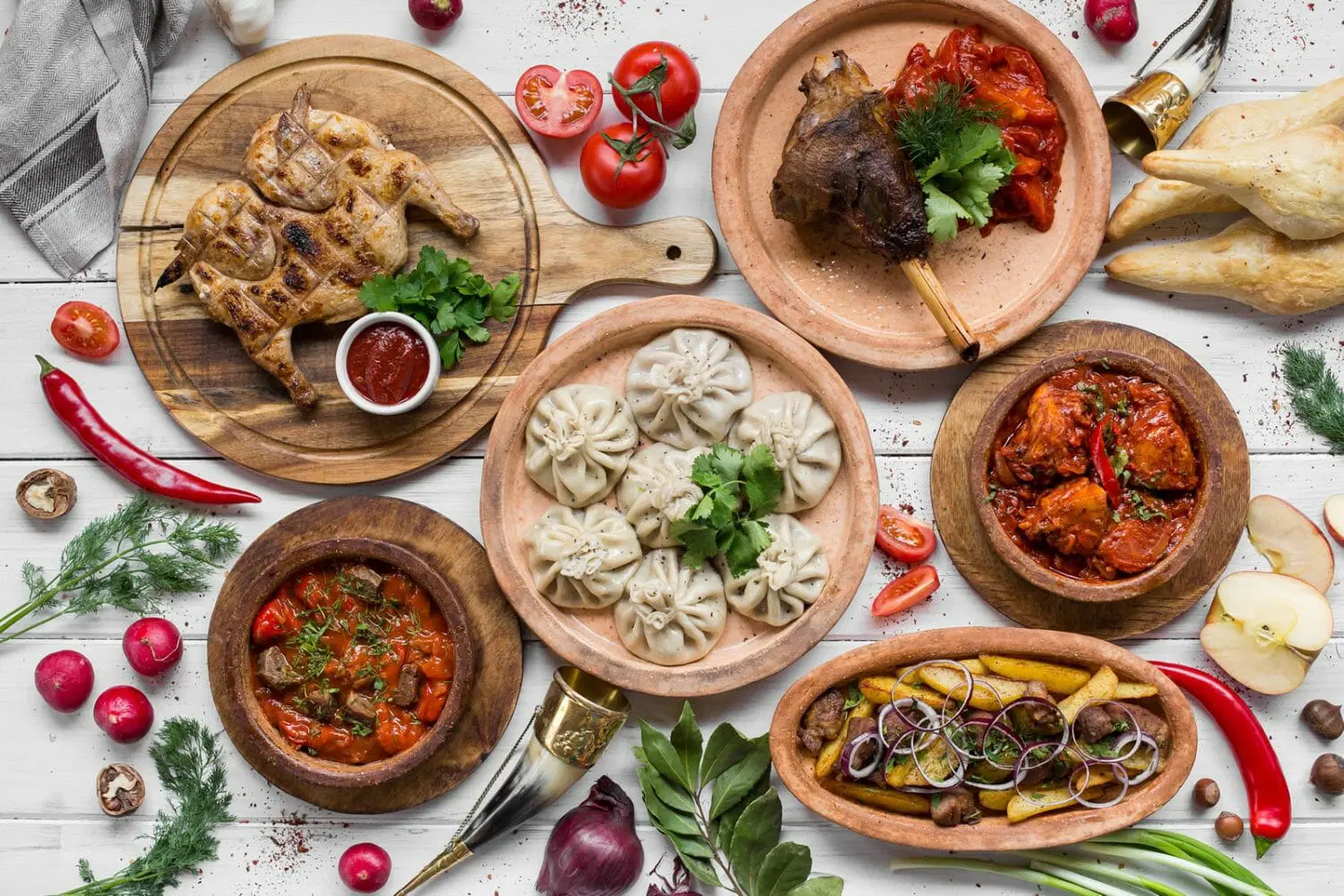
kickstand-project.org – Nestled in the heart of the Pyrenees, Andorra offers not only breathtaking landscapes but also a rich culinary tradition that reflects its mountainous terrain and cultural influences. Andorran cuisine is a delightful blend of simplicity and heartiness, designed to sustain and comfort those who brave the high altitudes and cold weather. This article delves into the essence of Andorran cuisine, exploring its key ingredients, traditional dishes, and the unique dining experiences it offers.

The Essence of Andorran Cuisine

Andorran cuisine is characterized by its use of locally sourced ingredients, including hearty meats, fresh vegetables, and dairy products. The harsh climate and mountainous terrain have shaped a culinary tradition that emphasizes sustenance and warmth. Dishes are often robust and designed to provide energy for the day’s work or outdoor activities.

Key Ingredients

  • Meat: Pork, beef, and lamb are staples, often cured or smoked to preserve them in the mountain climate.
  • Vegetables: Potatoes, cabbage, and onions are commonly used, as they are hardy and can be grown in the region.
  • Dairy: Cheese and butter are integral, with cheese being a particular specialty, ranging from mild to strong flavors.
  • Grains: Barley and rye are used in bread and soups, providing essential carbohydrates.

Traditional Dishes

  • Trinxat: A popular dish made from mashed potatoes, cabbage, and pork, often served with a fried egg on top.
  • Escudella: A hearty soup with meatballs, vegetables, and sometimes pasta or rice, traditionally served on Christmas Day.
  • Sobrassada: A type of cured sausage made from pork, paprika, and other spices, often spread on bread.
  • Canelons: Similar to Italian cannelloni, these are tubes of pasta filled with a meaty sauce, typically served on special occasions.

Dining Experiences

Visitors to Andorra can enjoy a range of dining experiences, from cozy mountain huts serving simple, traditional fare to upscale restaurants offering modern interpretations of Andorran cuisine. Many establishments pride themselves on using organic, locally sourced ingredients, ensuring that the dishes are as authentic as possible.

Conclusion

Andorran cuisine is a testament to the resilience and resourcefulness of its people, who have crafted a culinary tradition that is both nourishing and flavorful. Whether you’re a food enthusiast or an adventurer seeking refuge in the mountains, Andorran cuisine offers a unique taste of the Pyrenees that is sure to warm the soul and satisfy the palate.

Exploring Country Food Traditions: A Taste of the Terroir

kickstand-project.org – In the heart of every country, there lies a treasure trove of culinary delights that are deeply intertwined with the land, culture, and history of its people. This is the essence of terroir, a French term that refers to the complete natural environment in which a particular plant is grown, including the specific mix of soil, topography, climate, and local vineyard practices. When it comes to food, terroir is not just about the land; it’s about the traditions, the stories, and the flavors that have been cultivated over generations. This article takes you on a journey to explore the rich tapestry of country food traditions, offering a taste of the terroir from around the globe.

The Roots of Terroir: Soil, Climate, and Tradition

Terroir is more than just a concept; it’s a way of life. It’s about understanding that the unique characteristics of a place—its soil, climate, and local traditions—play a crucial role in shaping the flavors of the food that is grown and prepared there. From the rich, volcanic soil of Sicily that produces the sweetest tomatoes to the cool, foggy mornings of Northern California that are perfect for growing crisp, acidic grapes, terroir is everywhere.

A World Tour of Country Food Traditions

Italy: The Art of Slow Food

In Italy, the concept of terroir is celebrated through the Slow Food movement, which emphasizes local, seasonal, and sustainable food. Each region boasts its own unique dishes, from the hearty risottos of Lombardy to the fresh seafood of the Amalfi Coast. Italian cuisine is a testament to the idea that food should be a reflection of the land and its people.

Japan: The Harmony of Flavors

Japan’s cuisine is a harmonious blend of flavors, textures, and colors that reflect the country’s deep connection to nature. From the delicate sushi of Tokyo to the hearty ramen of Hokkaido, Japanese food is a journey through the seasons, with each dish highlighting the best of what the land and sea have to offer.

India: A Spice Odyssey

India’s diverse culinary landscape is a reflection of its complex history and geography. From the fiery curries of the south to the rich, creamy dishes of the north, Indian cuisine is a celebration of spices, each region boasting its own unique blend. The terroir of India is as much about its spice-laden soil as it is about the cultural traditions that have shaped its food.

The Future of Terroir

As the world becomes more globalized, the importance of preserving local food traditions has never been greater. The future of terroir lies in the hands of small farmers, artisan producers, and chefs who are committed to keeping these traditions alive. By supporting local food systems and celebrating the diversity of global cuisines, we can ensure that the rich tapestry of country food traditions continues to thrive for generations to come.

Conclusion

Exploring country food traditions is not just about tasting the terroir; it’s about understanding the deep connection between food, land, and culture. Each dish tells a story, a story of the people, their history, and their relationship with the land. As we continue to navigate the complexities of our global food system, let us not forget the importance of these traditions and the rich flavors they bring to our tables.