Exploring Milwaukee, Wisconsin: A City of Rich History

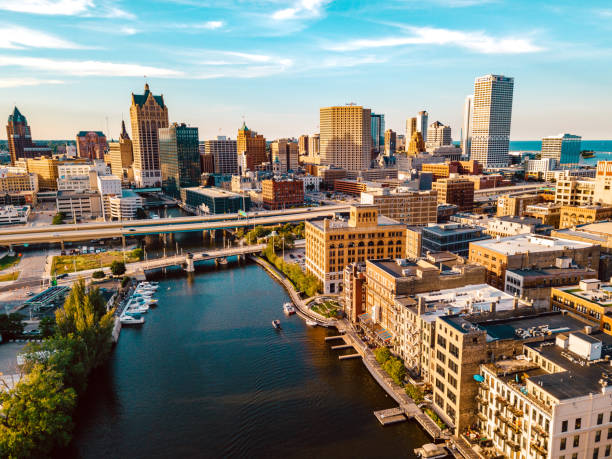
kickstand-project.org – Milwaukee, Wisconsin, located on the shores of Lake Michigan, is a city known for its rich industrial history, vibrant cultural scene, and growing reputation as a hub for innovation and craft beer. With its scenic waterfront, diverse neighborhoods, and thriving arts community, Milwaukee offers a unique blend of old-world charm and modern energy. Whether you’re interested in its historical roots, its renowned breweries, or its diverse arts and culture, Milwaukee provides a fascinating mix of experiences that reflect the city’s deep connections to both the past and the future.

A Historical City with Industrial Roots

Milwaukee’s history is deeply intertwined with the industrial revolution. Once known as the “Beer Capital of the World,” Milwaukee has a long tradition of brewing, with iconic breweries like Miller, Pabst, and Schlitz shaping the city’s identity. The city’s legacy as an industrial hub is reflected in its architecture, with historic breweries and factories still standing alongside modern developments.

One of the best places to explore Milwaukee’s industrial past is the Harley-Davidson Museum, which celebrates the legacy of one of America’s most iconic motorcycle brands. The museum offers a look at the history of Harley-Davidson, showcasing its impact on American culture and the city of Milwaukee.

Another key historical site is the Milwaukee Public Museum, which houses exhibits on the city’s early settlers, Native American cultures, and the natural world. The museum’s “Streets of Old Milwaukee” exhibit is a highlight, offering a glimpse into what life was like in the city in the late 19th century.

A Thriving Arts and Culture Scene

Milwaukee is home to a vibrant arts community that spans visual arts, theater, music, and dance. The Milwaukee Art Museum is a must-visit for art lovers, with its stunning architecture designed by Santiago Calatrava and an extensive collection of European, American, and contemporary art. The museum’s glass-encased Quadracci Pavilion is particularly striking, and visitors can enjoy sweeping views of Lake Michigan from the museum’s waterfront location.

The city’s cultural offerings extend beyond traditional art museums. Milwaukee is also known for its theater scene, with venues like the Milwaukee Repertory Theater and the Marcus Center for the Performing Arts offering a variety of performances, from Broadway shows to local productions. The Milwaukee Symphony Orchestra provides world-class music performances, while the Milwaukee Ballet Company showcases the city’s growing dance community.

Milwaukee is also a hub for public art, with murals and installations scattered throughout the city, particularly in neighborhoods like the Third Ward and Walker’s Point. The city’s annual Gallery Night & Day event provides an opportunity for residents and visitors to explore local galleries and meet artists.

Craft Beer Capital and Culinary Delights

Milwaukee’s reputation as a beer city is well-earned, and today it remains a hub for craft breweries and beer enthusiasts. The city’s brewing tradition is alive and well, with local breweries like Sprecher Brewing Company, Good City Brewing, and MobCraft Beer Brewery leading the charge. Milwaukee also hosts the Great Milwaukee Beer Barons Festival, celebrating the city’s beer culture with tastings, food pairings, and brewery tours.

Beyond its beer scene, Milwaukee boasts a diverse and growing food scene that reflects its cultural heritage. The city’s neighborhoods are home to a wide range of dining options, from classic Wisconsin cheese curds and bratwurst to international cuisines, including Mexican, Italian, and Ethiopian.

The Milwaukee Public Market, located in the Historic Third Ward, is a popular destination for food lovers. The market features fresh produce, artisanal cheeses, seafood, and baked goods, along with a variety of restaurants offering everything from gourmet sandwiches to seafood dishes.

For a true taste of Milwaukee, a visit to one of the city’s many classic taverns or beer halls is a must. These establishments often feature live music, hearty Wisconsin fare, and, of course, local craft beer on tap.

Scenic Waterfront and Outdoor Activities

Milwaukee’s location on the shores of Lake Michigan gives the city a wealth of outdoor recreational opportunities. The Milwaukee Lakefront, a beautiful stretch of green space along the water, offers parks, walking and biking trails, and stunning views of the lake and skyline. The city is home to several parks, including Veterans Park, which hosts outdoor concerts, picnics, and festivals throughout the year.

Milwaukee is also home to the Milwaukee County Zoo, one of the best zoos in the Midwest, offering a family-friendly destination for animal lovers. For those who enjoy hiking and nature, the nearby Kettle Moraine State Forest provides trails, lakes, and scenic vistas.

In the summer months, Milwaukee’s waterfront becomes a hub for outdoor activities. Sailing, kayaking, and paddleboarding are popular activities on Lake Michigan, and the city’s parks host events like outdoor movies, festivals, and live performances. The Summerfest music festival, one of the largest music festivals in the world, takes place each year along the lakefront, drawing hundreds of thousands of visitors.

A Growing Economy and Innovation Hub

Milwaukee’s economy has evolved over the years from its industrial roots to a diverse, modern economy focused on sectors like healthcare, manufacturing, technology, and innovation. The city is home to major companies like Harley-Davidson, Rockwell Automation, and Johnson Controls, as well as a growing number of tech startups and small businesses.

The Milwaukee Institute of Art & Design and the University of Wisconsin-Milwaukee are helping to foster innovation in the city, providing a talent pool for industries ranging from digital media to biotechnology. Milwaukee’s business climate is supported by local organizations like the Greater Milwaukee Committee, which works to promote economic development and improve the city’s infrastructure.

The city’s downtown area has seen significant growth in recent years, with new office buildings, residential developments, and mixed-use spaces adding to the urban landscape. The Milwaukee Art Museum’s expansion and the development of the Milwaukee Bucks’ Fiserv Forum have also contributed to the city’s revitalization.

Diverse Neighborhoods and Local Character

Milwaukee is a city of neighborhoods, each with its own unique personality and charm. The Historic Third Ward, known for its trendy shops, art galleries, and restaurants, is one of the city’s most vibrant areas. The area is also home to the Milwaukee Public Market and the annual Gallery Night & Day event.

Walker’s Point, once an industrial district, has transformed into a hip, up-and-coming neighborhood with trendy bars, restaurants, and art spaces. The neighborhood is also home to the Milwaukee Brewing Company, a cornerstone of the city’s craft beer scene.

In contrast, Bay View offers a more residential feel, with a laid-back vibe and a growing number of indie shops, cafes, and restaurants. The nearby South Shore Park provides access to Lake Michigan and stunning views of downtown Milwaukee.

Conclusion

Milwaukee is a city that combines its rich industrial history with a vibrant cultural and creative energy. From its iconic beer culture and world-class museums to its beautiful lakefront and diverse neighborhoods, Milwaukee offers something for everyone. The city’s continued growth and innovation, combined with its welcoming Midwestern spirit, make it an exciting and dynamic place to visit or call home. Whether you’re exploring its historical sites, enjoying its craft beer, or soaking in the scenic views of Lake Michigan, Milwaukee is a city with a deep sense of pride and a bright future ahead.


Preserving Heritage & Knowledge: Indigenous Cultures of Australia

kickstand-project.org – Australia is home to one of the world’s oldest continuous cultures, with Indigenous Australians having lived on the continent for over 65,000 years. This long history has given rise to a rich tapestry of cultures, languages, and traditions that are integral to the national identity of Australia. The Indigenous peoples, including Aboriginal and Torres Strait Islander communities, have developed deep connections to the land, which are reflected in their art, music, storytelling, and spiritual beliefs.

The Importance of Cultural Preservation

Preserving the heritage and knowledge of Indigenous Australian cultures is crucial for several reasons. Firstly, it ensures the survival of unique languages and traditions that are at risk of being lost. Secondly, it provides a sense of identity and continuity for Indigenous peoples, which is essential for their well-being and resilience. Additionally, the knowledge systems of Indigenous Australians, particularly regarding environmental management and sustainability, offer valuable insights that can benefit society as a whole.

Challenges in Preserving Indigenous Heritage

Despite the importance of preserving Indigenous cultures, there are significant challenges. Colonization and the subsequent policies of assimilation have led to the loss of languages, disruption of cultural practices, and the destruction of sacred sites. The impact of these historical injustices is still felt today, with many Indigenous communities facing social and economic disadvantages that hinder their ability to maintain their heritage.

Initiatives for Cultural Preservation

To address these challenges, various initiatives have been undertaken to preserve and celebrate Indigenous Australian cultures. These include:

Language Revitalization Programs

Efforts to revive and teach Indigenous languages are crucial for cultural preservation. Language apps, language classes, and immersion programs for children are some of the strategies being used to keep these languages alive.

Cultural Centers and Museums

Cultural centers and museums play a vital role in educating the public about Indigenous cultures. They provide spaces for the display of art, the sharing of stories, and the performance of traditional music and dance.

Legal Protections for Sacred Sites

Legal measures to protect sacred sites from development and desecration are essential. These protections ensure that Indigenous peoples can continue to access and care for their ancestral lands.

Support for Indigenous Art and Media

Supporting Indigenous artists and media producers helps to amplify Indigenous voices and share stories on a broader stage. This includes funding for art projects, films, and literature that reflect Indigenous perspectives.

The Role of Technology in Cultural Preservation

Technology is increasingly being used as a tool for cultural preservation. Digital archives, virtual reality experiences, and online platforms provide new ways to document, share, and engage with Indigenous cultures. These technologies can reach wider audiences and create opportunities for cross-cultural understanding and appreciation.

Conclusion

Preserving the heritage and knowledge of Indigenous Australian cultures is not only a matter of historical importance but also a vital step towards reconciliation and the recognition of the rights of Indigenous peoples. By supporting initiatives that promote cultural preservation, Australia can ensure that the rich tapestry of Indigenous cultures continues to thrive and contribute to the nation’s identity for generations to come.

A Global Epidemic: The Culture of Overworking

kickstand-project.org – The culture of overworking has become a pervasive issue across the globe, manifesting in various forms and affecting different societies in profound ways. This phenomenon, often glorified as a marker of success and dedication, is deeply ingrained in the work ethic of many countries, leading to significant health and societal challenges.

Historical and Cultural Roots

The roots of overworking can be traced back to specific historical contexts. In Japan, for instance, the culture of overwork, known as “karoshi,” has been a recognized social issue since the 1970s. This term refers to death from overwork, which has resulted in hundreds of deaths in recent years. The phenomenon is linked to the country’s rapid post-World War II economic growth, where long hours were encouraged to rebuild the nation’s economy129.

Similarly, in South Korea, excessive work hours have been linked to an increased risk of suicide among young people, making it the leading cause of death for those aged 10 to 394.

Global Impact and Recognition

The global impact of overworking is evident in various regions, with countries like the UK also experiencing a culture of overwork. This is reflected in the proliferation of media and podcasts promoting relentless self-improvement and the elimination of ‘laziness’3.

The global movement towards a four-day working week is gaining momentum, partly in response to the recognition of the harmful effects of overworking. This shift is particularly relevant in China, where the 996 work culture (working from 9 AM to 9 PM, six days a week) has raised significant concerns6.

Health and Societal Consequences

The health consequences of overworking are severe and include physical and mental health issues. Chronic stress, a common outcome of overworking, can lead to hypertension, heart disease, and other life-threatening conditions89. Mental health issues such as burnout and depression are also prevalent, with some individuals even succumbing to suicide under the strain of relentless work schedules49.

Addressing the Epidemic

Addressing the culture of overworking requires a multifaceted approach. Organizations are encouraged to assess their work culture and implement measures to promote a healthier work-life balance. This includes setting clear values that prioritize employee well-being and focusing on productivity rather than mere hustle5.

Governments and policymakers also play a crucial role in setting regulations that protect workers from overwork. This includes enforcing laws that limit working hours and ensuring adequate rest periods.

Conclusion

The culture of overworking is a global epidemic that affects the physical and mental health of millions worldwide. While it has historical and cultural roots, the modern understanding of its harmful effects is leading to a push for change. By recognizing the value of work-life balance and prioritizing employee well-being, societies can begin to reverse the harmful trends associated with overworking.

The Debate Over Firearms in America: Gun Culture

kickstand-project.org – The United States has a long-standing and complex relationship with firearms, woven into the fabric of its history and constitutional framework. This relationship has cultivated a distinct gun culture that is both revered and scrutinized. At the core of this culture is the Second Amendment, which has sparked a contentious debate over the rights and responsibilities of firearm ownership.

The Second Amendment: A Constitutional Battleground

The Second Amendment to the U.S. Constitution, with its guarantee of the right to bear arms, lies at the center of the gun debate. Proponents of gun rights interpret this amendment as an unequivocal endorsement of individual gun ownership, while critics argue for a more nuanced reading that considers the amendment within the context of a well-regulated militia.

Gun Rights Advocacy: The Voice of the NRA and Beyond

The National Rifle Association (NRA) has been a dominant force in the gun rights movement, advocating for minimal restrictions on firearm ownership. The NRA’s influence extends into the political arena, where it lobbies against gun control measures and champions the narrative of guns as a cornerstone of American freedom.

The Push for Gun Control: Balancing Freedom and Safety

In response to the high rates of gun violence in the United States, advocates for gun control argue for stricter regulations. They call for comprehensive background checks, restrictions on assault weapons, and other measures aimed at reducing the incidence of mass shootings, homicides, and suicides. The debate often hinges on the balance between individual liberties and collective security.

The Cultural Significance of Firearms in America

Guns in America are not just a legal or political issue; they are also a cultural phenomenon. Hunting, shooting sports, and the image of the frontier have all contributed to the romanticization of firearms. However, this cultural attachment can sometimes clash with efforts to address the country’s gun violence epidemic.

The Role of Youth in Shaping the Gun Debate

In recent years, young Americans, particularly those affected by school shootings, have emerged as powerful voices in the gun debate. Movements like March for Our Lives have galvanized a new generation of activists who are demanding legislative action to prevent gun violence and challenging the status quo of gun culture in America.

Conclusion: Navigating the Crossroads of Freedom and Security

The debate over firearms in America is a reflection of the country’s ongoing struggle to reconcile its values of freedom and security. As the conversation evolves, it remains clear that the issue of gun culture in the United States is deeply layered, touching on legal, cultural, and emotional aspects of American life. Finding a path forward will require a nuanced understanding of these complexities and a willingness to engage in constructive dialogue.

Aussie Cuisine and Culture: From Barbie to Barramundi

kickstand-project.org – Australia, a land of vast landscapes, vibrant cities, and a rich tapestry of cultures, boasts a culinary scene as diverse and dynamic as its geography. From the iconic “Barbie” to the beloved Barramundi, Australian cuisine and culture offer a unique blend of tradition, innovation, and multicultural influences. This article delves into the heart of Aussie gastronomy, exploring the dishes, traditions, and cultural nuances that define the nation’s culinary identity.

The Barbie: Beyond the Doll

When Australians talk about a “Barbie,” they’re not referring to the famous doll but rather to a barbecue, a cornerstone of Australian social life and cuisine. The barbecue, or “Barbie,” is more than just a cooking method; it’s a symbol of Australian culture, embodying the laid-back, communal lifestyle for which the country is known. Whether in the backyard, at the beach, or in a park, Australians love to gather around the Barbie, cooking up a storm of sausages, steaks, and seafood, often accompanied by a cold beer or a glass of wine.

Barramundi: The King of Aussie Fish

Moving from the Barbie to the Barramundi, we encounter one of Australia’s most prized seafood delicacies. Barramundi, known for its firm texture and mild, sweet flavor, is a staple in Australian cuisine. This versatile fish can be found in various dishes, from the simple grilled Barramundi with lemon and herbs to more complex preparations involving Asian spices and flavors. Its popularity is not just due to its taste but also because it’s a sustainable choice, with many Australian Barramundi farms focusing on environmentally friendly practices.

Multicultural Influences

Australia’s cuisine is a melting pot of global flavors, reflecting the country’s multicultural population. From the Italian influence seen in the popularity of pasta and pizza to the Vietnamese pho and banh mi that have become staples in Australian cities, the nation’s food scene is a testament to its diverse heritage. Greek, Lebanese, Chinese, and Indian cuisines also play significant roles, contributing to a culinary landscape that is both rich and varied.

Bush Tucker and Indigenous Influences

While international influences are undeniable, Australia’s Indigenous culture also plays a crucial role in shaping its culinary identity. “Bush Tucker,” the traditional food sources of Indigenous Australians, includes a variety of native plants, fruits, and animals. Ingredients such as lemon myrtle, wattle seed, and kangaroo are gaining popularity, offering a unique taste of Australia’s ancient culinary traditions. These ingredients are not only a nod to the country’s Indigenous heritage but also represent a sustainable and ethical choice for modern Australian cuisine.

The Australian Coffee Culture

No discussion of Aussie cuisine and culture would be complete without mentioning the nation’s coffee culture. Australians are passionate about their coffee, with a preference for high-quality, artisanal brews. The flat white, a coffee with a silky microfoam, is often considered Australia’s gift to the coffee world, and cafes across the country take pride in perfecting this and other coffee concoctions. The café culture is integral to Australian social life, providing a space for friends to catch up, business meetings, and a moment of relaxation amidst the hustle and bustle of daily life.

Conclusion

From the communal joy of a backyard Barbie to the sophisticated flavors of Barramundi, Australian cuisine and culture offer a unique blend of tradition, innovation, and multicultural influences. The nation’s culinary landscape is a reflection of its people, history, and geography, showcasing a vibrant mosaic of tastes and traditions. Whether you’re enjoying a flat white in a Melbourne café, savoring bush tucker in the Outback, or feasting on multicultural dishes in Sydney, Australia’s culinary journey is one that promises to delight and inspire.

Women Breaking Barriers in Sports Car Culture

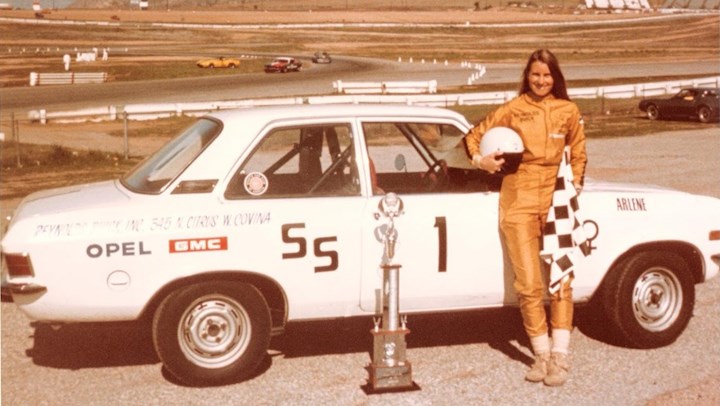
kickstand-project.org – The world of sports cars has long been dominated by men, from the engineers designing high-performance vehicles to the racers competing on the track. However, the landscape is changing as women are increasingly taking the wheel, both literally and metaphorically, to break barriers and redefine what it means to be a part of sports car culture. This movement, often referred to as “The Power of She,” is not just about gender equality; it’s about recognizing the unique contributions and perspectives that women bring to the table, transforming the industry in the process.

The Rise of Women in Motorsports:
In recent years, women have been making significant strides in motorsports. From trailblazers like Danica Patrick, who became the first woman to win an IndyCar Series race, to current stars like Jamie Chadwick, the first female champion of the FIA Formula E Championship, women are proving that they have the skill, determination, and passion to compete at the highest levels. These achievements are not only inspiring a new generation of female racers but also challenging the stereotypes that have historically excluded women from the sport.

Women in Sports Car Engineering and Design:
The influence of women in sports car culture extends beyond the racetrack. In the engineering and design sectors, women are contributing to the innovation and development of high-performance vehicles. Companies are recognizing the value of diverse perspectives in their design teams, leading to more inclusive and innovative products. Women like Laura Wontrop Klauser, the first female chief engineer at Ford Performance, are leading the charge, ensuring that the future of sports cars is shaped by a variety of voices and talents.

The Role of Mentorship and Community:
The Power of She movement is also about building a supportive community that encourages and empowers women to pursue their passions in sports car culture. Mentorship programs, women-focused racing series, and networking groups are providing the support and resources that women need to succeed. These initiatives are not only helping to break down barriers but also creating a more inclusive environment for all enthusiasts.

Challenges and Opportunities:
Despite the progress, there are still challenges to overcome. Women in sports car culture often face skepticism, sexism, and a lack of visibility. However, these challenges are also opportunities for the industry to grow and evolve. By embracing diversity and actively working to create equal opportunities, the sports car community can become a more dynamic and innovative space.

Conclusion:
The Power of She in sports car culture is more than just a trend; it’s a movement that is reshaping the industry. Women are not only breaking barriers but also bringing fresh perspectives and talents that are enriching the world of sports cars. As the industry continues to evolve, it’s clear that the contributions of women are essential to its future. By celebrating and supporting the achievements of women in sports car culture, we can all enjoy a more inclusive and exciting world of high-performance vehicles.

Love in the Limelight: The Impact of Dating Shows on Culture

kickstand-project.org – In the era of reality television and digital streaming, dating shows have become a cultural phenomenon, captivating audiences worldwide. From the early days of “The Bachelor” to the more recent hits like “Love Is Blind” and “Too Hot to Handle,” these programs have not only shaped the landscape of entertainment but also had a profound impact on societal norms, expectations, and perceptions of love and relationships. This article explores the multifaceted influence of dating shows on culture, examining their role in shaping public discourse, influencing dating behaviors, and reflecting broader societal trends.

Shaping Public Discourse

Dating shows have become a significant part of the cultural conversation, providing a platform for discussing topics that were once considered taboo. They openly address issues such as sexuality, consent, and emotional vulnerability, making these discussions more mainstream. For instance, “Love Is Blind” challenges the traditional dating process by encouraging participants to form deep emotional connections without physical interaction initially, prompting viewers to consider the importance of emotional compatibility over physical attraction.

Moreover, these shows often highlight diversity in relationships, including interracial and LGBTQ+ couples, contributing to a more inclusive dialogue about love and acceptance. This representation is crucial in a world where acceptance and understanding are still being fought for in many communities.

Influencing Dating Behaviors

The popularity of dating shows has also led to a noticeable influence on dating behaviors among viewers. The dramatized and often accelerated relationship dynamics seen on these shows can set unrealistic expectations for how relationships should progress in real life. Participants often go from meeting to professing love within a matter of weeks, which can distort viewers’ perceptions of healthy relationship development.

However, not all influences are negative. Some shows, like “Are You the One?” incorporate psychological and compatibility theories, potentially educating viewers on the importance of communication, understanding, and compatibility in relationships. Additionally, the transparency of the dating process on these shows can encourage viewers to be more open and honest in their own dating lives.

Reflecting Broader Societal Trends

Dating shows are not just influencing culture; they are also a reflection of broader societal trends. The rise of digital dating and the impact of social media on relationships are recurring themes in many of these shows. They mirror the challenges and opportunities of modern dating, such as the ease of meeting new people online versus the difficulties of maintaining genuine connections in a digital age.

Furthermore, the popularity of certain shows can indicate shifts in societal values and interests. For example, the success of “Married at First Sight” suggests a growing curiosity about or acceptance of alternative approaches to marriage and commitment. These shows often act as a mirror, reflecting the complexities of human relationships in a rapidly changing world.

Conclusion

Love in the limelight, as depicted in dating shows, has undoubtedly left its mark on culture, influencing public discourse, dating behaviors, and reflecting broader societal trends. While the impact of these shows is not without its controversies, they have opened up important conversations about love, relationships, and societal norms. As the landscape of entertainment continues to evolve, it will be fascinating to see how dating shows adapt and what new insights they will offer into the human experience of love and connection.