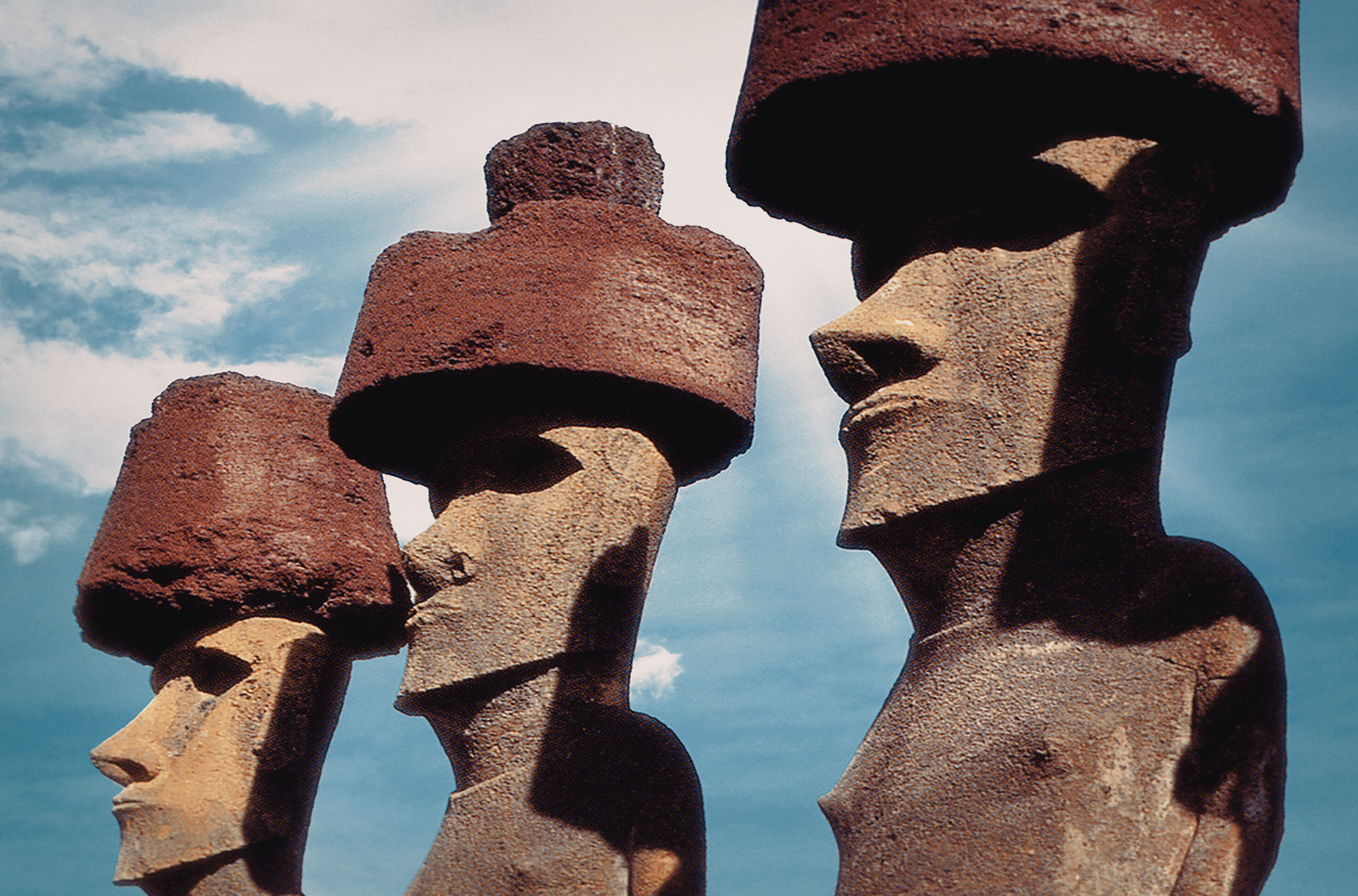
Eyes in Art: A History of Representation and Symbolism

kickstand-project.org – Throughout history, the human eye has been a powerful symbol in art, representing a wide range of meanings across cultures and epochs. From ancient artifacts to contemporary masterpieces, eyes have captured the imagination of artists and viewers alike. In this article, we will explore the rich history of the representation and symbolism of eyes in art, examining how they convey emotion, insight, and the divine.

Ancient Times: Eyes as Windows to the Soul

1. Egyptian Art

In ancient Egypt, the eye was a potent symbol of protection and power. The Eye of Horus, also known as the Wedjat, was a symbol of royal authority and divine protection. It was often depicted in hieroglyphics, amulets, and jewelry, believed to have healing and protective properties.

2. Greek and Roman Art

In Greek and Roman cultures, eyes were often portrayed in sculptures and mosaics with an emphasis on realism and emotion. The gaze of a statue could convey the virtues and emotions of the subject, such as wisdom, bravery, or compassion. Eyes were considered windows to the soul, reflecting the inner character of individuals.

The Middle Ages and Renaissance: Eyes as Divine and Mystical

3. Christian Iconography

During the Middle Ages, eyes in Christian art were often depicted in religious iconography, symbolizing divine omniscience and spiritual insight. The all-seeing eye, often enclosed within a triangle, represented the Holy Trinity and God’s watchful presence over humanity.

4. Renaissance Portraiture

In the Renaissance, artists focused on the realism and individuality of their subjects. Portraits emphasized the eyes as a means to convey personality and emotion, reflecting the growing interest in humanism and the exploration of human nature. Artists like Leonardo da Vinci and Raphael mastered the depiction of expressive eyes, which became central to their portraiture.

The Modern Era: Eyes in Surrealism and Symbolism

5. Surrealist Art

In the 20th century, surrealist artists like Salvador Dalí and René Magritte used eyes as surreal and dreamlike elements in their work. Eyes became symbols of the subconscious, exploring themes of perception, reality, and the enigmatic nature of human experience. Dalí’s “The Persistence of Memory,” with its melting clocks and distorted landscapes, often featured eyes as a motif of introspection and time.

6. Contemporary Symbolism

In contemporary art, eyes continue to be powerful symbols of identity, surveillance, and cultural commentary. Artists use eyes to explore themes of self-awareness, societal norms, and the complexities of human relationships. They serve as metaphors for observation, reflection, and the continuous search for meaning in a rapidly changing world.

Conclusion: The Ever-Present Eye

The representation and symbolism of eyes in art have evolved over time, reflecting the beliefs, values, and technological advancements of different cultures. Whether as symbols of protection, divinity, or introspection, eyes have remained a central motif in artistic expression. Through their depiction, artists invite viewers to look deeper, to see beyond the surface, and to connect with the universal human experience. Eyes in art continue to captivate and inspire, serving as a timeless testament to the enduring power of visual storytelling.

The Art of the Entryway: Making a Memorable First Impression

kickstand-project.org – The entryway is the first glimpse guests have into your home, setting the tone for the entire space. It’s the perfect opportunity to express your style and welcome visitors with warmth and charm. Here’s how to make your entryway a memorable and inviting introduction to your home.

Define the Space

Even if your home doesn’t have a dedicated entryway, you can create the illusion of one. Use rugs, furniture placement, or lighting to define the space. A runner or area rug can delineate the entryway from the rest of the house, while a pendant light or wall sconces can add focus and atmosphere.

Focus on Functionality

An entryway should be as functional as it is stylish. Consider the needs of your household and choose furniture and accessories accordingly. A console table provides a surface for keys and mail, while a bench offers seating when putting on shoes. Hooks or a coat rack keep jackets organized, and a shoe rack or basket can manage footwear clutter.

Make a Statement with Decor

The entryway is the perfect place to showcase your personal style. Consider a bold piece of art or a statement mirror to add visual interest. Mirrors not only enhance the aesthetic appeal but also reflect light, making the space appear larger and more welcoming. Incorporate a few decorative items like vases, sculptures, or candles to add personality and warmth.

Embrace Color and Texture

Color and texture play a significant role in creating an inviting entryway. Choose a color palette that complements the rest of your home, and use it to create a cohesive look. Consider adding a textured wallpaper or a bold accent wall to add depth and interest. Incorporate various textures through rugs, cushions, and decorative objects to create a rich, layered look.

Add Greenery

Plants are a great way to breathe life into your entryway. A small potted plant or a vase of fresh flowers can add color and freshness to the space. Choose low-maintenance plants that thrive in indirect light, such as ferns or snake plants, to ensure they remain vibrant and healthy.

Ensure Ample Lighting

Good lighting is essential for an entryway. A combination of overhead lighting and ambient lights creates a warm and welcoming atmosphere. Consider a statement chandelier or pendant light to make a bold impression, and add table lamps or wall sconces to provide additional, softer lighting.

Personalize the Space

Your entryway is an opportunity to introduce guests to your story. Include personal touches such as family photos, travel souvenirs, or artwork that reflects your interests. These elements create a welcoming environment that feels uniquely yours.

Keep it Clutter-Free

A clean, uncluttered entryway sets a positive tone for the rest of your home. Regularly tidy the space by removing unnecessary items and keeping surfaces clear. Use storage solutions like baskets, trays, and organizers to manage everyday items and maintain an orderly appearance.

By carefully considering the design and functionality of your entryway, you can create a space that not only makes a memorable first impression but also sets the stage for the rest of your home. With the right balance of style and practicality, your entryway can become a welcoming gateway that reflects your personal taste and hospitality.

Centre Pompidou: Paris’s Icon of Modern Art and Architecture

kickstand-project.org – The Centre Pompidou, located in the vibrant heart of Paris, is a landmark of modern art and architecture. Known for its radical design and innovative exhibitions, the Centre Pompidou has become a cultural hub that attracts millions of visitors each year. This article delves into the history, architecture, and cultural significance of this iconic institution.

History of the Centre Pompidou

The Centre Pompidou was conceived in the late 1960s as part of a vision to create a multidisciplinary cultural center. Commissioned by French President Georges Pompidou, the building was designed by the architectural team of Renzo Piano and Richard Rogers. Officially opened in 1977, it quickly gained fame for its groundbreaking design and commitment to contemporary art and culture.

Architectural Marvel

The Centre Pompidou’s architecture is a masterpiece of high-tech design. Its striking exterior features exposed structural elements, brightly colored pipes, and a glass facade, challenging traditional architectural norms. The building’s transparency and flexibility symbolize its mission to make art accessible and engaging to all.

The Collection and Exhibitions

Home to the Musée National d’Art Moderne, the Centre Pompidou boasts one of the largest collections of modern and contemporary art in Europe. It features works by iconic artists such as Picasso, Kandinsky, Matisse, and Duchamp. The center hosts a dynamic range of temporary exhibitions, performances, and events that explore the frontiers of art and innovation.

Cultural Impact and Significance

The Centre Pompidou has played a transformative role in the cultural landscape of Paris. As a leading institution for modern art, it fosters creativity and dialogue across artistic disciplines. Its public library, cinema, and performance spaces make it a lively and multifaceted venue for cultural exchange and education.

Conclusion

The Centre Pompidou stands as a testament to the power of art and architecture to inspire and challenge. With its bold design and rich cultural offerings, it continues to be a beacon for art lovers and innovators worldwide. A visit to this extraordinary center promises a unique and enriching experience in the heart of Paris.

The Art of ASMR: Creative Triggers for Relaxation

kickstand-project.org – In the realm of relaxation and stress relief, Autonomous Sensory Meridian Response (ASMR) has carved out a unique niche. ASMR is characterized by a tingling sensation on the scalp and down the back of the neck, often accompanied by a feeling of relaxation. This sensation is triggered by specific sounds, movements, or visual stimuli. While the exact science behind ASMR is still being studied, its effects on stress relief and relaxation are well-documented. Among the myriad of ASMR triggers, creative and artistic approaches have emerged as particularly popular for their ability to induce a calming effect on the mind and body.

Understanding ASMR

ASMR is a sensory phenomenon that has captured the attention of millions worldwide. It is often described as a pleasurable tingling sensation that begins on the scalp and moves down the back of the neck and upper spine, accompanied by a feeling of relaxation and well-being. This sensation is triggered by specific auditory, visual, or tactile stimuli.

The Science Behind ASMR

While the exact mechanisms of ASMR are still under investigation, researchers believe it may be related to the release of endorphins, the body’s natural feel-good chemicals. ASMR triggers seem to activate the parasympathetic nervous system, promoting a state of relaxation and reducing stress.

Creative Triggers for ASMR

ASMR artists have explored a wide range of creative triggers to induce relaxation and stress relief. These triggers often involve the use of art, music, and unique sounds to create an immersive and calming experience.

1. Artistic Sounds

The gentle sounds of drawing, painting, or sculpting can serve as effective ASMR triggers. The soft brushing of a paintbrush, the scratching of a pencil on paper, or the tapping of clay can create a soothing auditory experience. These sounds are not only relaxing but also offer a glimpse into the creative process, adding an element of fascination and tranquility.

2. Musical ASMR

Music has long been recognized for its ability to soothe the mind and body. ASMR artists often incorporate musical elements into their content, using soft melodies, gentle plucking of strings, or the soothing sounds of wind instruments to create a calming atmosphere. These musical triggers can transport listeners to a state of deep relaxation, making it an ideal tool for stress relief.

3. Nature-Inspired ASMR

The sounds of nature, such as rustling leaves, flowing water, or gentle rain, are classic ASMR triggers. These natural sounds can be enhanced with artistic elements, such as the soft whispers of a stream or the rhythmic tapping of raindrops on different surfaces. Nature-inspired ASMR helps to create a serene environment, promoting a sense of peace and relaxation.

4. Role-Play Scenarios

ASMR role-play scenarios add a layer of creativity and immersion to the experience. Artists may adopt roles such as a hairdresser, librarian, or even a magical creature, using soft-spoken dialogue and gentle sounds to engage the listener. These scenarios can provide an escape from reality, offering a form of interactive storytelling that is both relaxing and entertaining.

Benefits of Creative ASMR Triggers

1. Enhanced Relaxation

The use of creative triggers in ASMR can enhance the relaxation experience by engaging multiple senses and providing a richer, more immersive environment. This can lead to a deeper state of relaxation and a more effective stress relief.

2. Improved Sleep

Listening to creative ASMR triggers before bed can help calm the mind, making it easier to fall asleep and improve sleep quality. The soothing sounds and gentle narratives can act as a form of auditory lullaby, promoting a restful night’s sleep.

3. Increased Focus

For some, creative ASMR triggers can serve as a form of white noise, helping to block out distractions and improve concentration. This can be particularly beneficial for those who need to focus on tasks or studies in a noisy environment.

4. Emotional Well-being

The calming effects of ASMR can help alleviate symptoms of anxiety and depression, providing a sense of comfort and security. The immersive nature of creative triggers can offer a temporary escape from negative emotions, contributing to overall emotional well-being.

Conclusion

The art of ASMR offers a creative and effective way to achieve relaxation and stress relief. By incorporating artistic sounds, musical elements, nature-inspired triggers, and role-play scenarios, ASMR artists can create a rich and immersive experience that engages the senses and promotes well-being. Whether you’re looking to unwind after a long day or seeking a moment of peace amidst chaos, creative ASMR triggers provide a unique and accessible tool for relaxation.

The Art and Architecture of Easter Island

kickstand-project.org – Easter Island, known as Rapa Nui, is a remote island in the southeastern Pacific Ocean, famous for its monumental stone statues and unique architectural structures. The island’s art and architecture are a testament to the ingenuity and cultural richness of the Rapa Nui people, who developed a distinct artistic and architectural tradition over centuries.

The Monolithic Moai Statues

The most iconic and recognizable art form on Easter Island are the monolithic moai statues. These massive stone figures, carved from volcanic rock, are believed to represent deceased ancestors and were erected as a form of worship and remembrance. The moai statues vary in size, with the largest reaching heights of over 30 feet and weighing more than 80 tons. The creation and transportation of these statues required significant engineering and organizational skills, reflecting the advanced capabilities of the Rapa Nui civilization.

Ritual Architecture: The Ahu Platforms

The moai statues were typically placed on large stone platforms called ahu. These platforms served as ceremonial centers and were often aligned with astronomical events, indicating the Rapa Nui people’s sophisticated understanding of celestial movements. The ahu platforms were constructed using large basalt stones and were often adorned with carvings and other decorative elements, showcasing the Rapa Nui’s architectural prowess.

Hare Paenga: Canoe-Shaped Houses

In addition to the monumental structures, the Rapa Nui also developed unique residential architecture. The hare paenga, or canoe-shaped houses, were semi-subterranean dwellings designed to withstand the island’s harsh weather conditions. These houses were built with a curved roof resembling the hull of a canoe, providing both stability and protection. The design of the hare paenga reflects the Rapa Nui’s deep connection to the sea and their practical approach to architecture.

Other Artistic Forms

While the stone statues and platforms are the most famous, the Rapa Nui also produced a variety of other artistic forms. These include wood carvings, bark cloth (tapa), and intricate petroglyphs. These art forms, often less durable than stone, provide insight into the daily life, beliefs, and artistic expressions of the Rapa Nui people. The use of wood and bark cloth in art demonstrates the islanders’ resourcefulness and their ability to create beauty from the materials available to them.

Conclusion

The art and architecture of Easter Island are a remarkable blend of cultural expression, engineering skill, and spiritual significance. From the towering moai statues to the intricate ahu platforms and the practical yet elegant hare paenga, the Rapa Nui people left behind a legacy that continues to captivate and inspire. Their creations stand as a testament to human creativity and the enduring power of cultural heritage.

The Art of Meditation and Mindfulness: Zen Buddhism

kickstand-project.org – Zen Buddhism, a branch of Mahayana Buddhism, has been a profound influence on the spiritual and philosophical landscape for centuries. Originating in China as Chan Buddhism, it later spread to Vietnam, Korea, and Japan, where it became known as Zen. This school of Buddhism emphasizes meditation and mindfulness as the primary means to enlightenment, offering a path to inner peace and a deeper understanding of the self and the world.

The Roots of Zen Buddhism

The origins of Zen Buddhism can be traced back to the teachings of the historical Buddha, Siddhartha Gautama, who lived in India around the 5th century BCE. The essence of his teachings was to find a middle path between self-indulgence and self-mortification, leading to the cessation of suffering. These teachings were later transmitted to China, where they merged with Taoist philosophy, giving birth to Chan Buddhism.

The Practice of Meditation in Zen

At the heart of Zen Buddhism is the practice of meditation, known as “zazen.” This form of meditation is not about achieving a specific state of mind or about gaining anything at all. Instead, it is about simply being present, fully experiencing the moment without judgment or expectation. Zazen is typically practiced in a seated position, with the practitioner focusing on their breath or a particular phrase or word, known as a “koan,” which is used to help the mind let go of logical, analytical thinking.

Mindfulness in Daily Life

Zen Buddhism extends beyond the meditation cushion, encouraging practitioners to apply mindfulness in every aspect of their lives. Mindfulness in Zen is about maintaining a state of alert awareness, being fully present in each moment, and engaging in activities with full attention and intention. This can be as simple as walking, eating, or even cleaning with complete focus and presence.

The Role of the Teacher and Community

While Zen Buddhism emphasizes individual practice and insight, the role of the teacher (or “roshi”) and the community is crucial. The teacher guides the student through their practice, offering koans and providing insight when the student encounters obstacles. The community, or “sangha,” provides support and a sense of belonging, reminding practitioners that the path to enlightenment is not a solitary journey.

The Benefits of Zen Practice

The practice of Zen Buddhism offers numerous benefits, both spiritual and psychological. It can lead to a reduction in stress, anxiety, and depression, as well as an increase in focus, clarity, and emotional well-being. On a deeper level, Zen practice can lead to a profound transformation of the self, fostering compassion, wisdom, and a sense of interconnectedness with all beings.

Conclusion

Zen Buddhism, with its emphasis on meditation and mindfulness, offers a timeless path to inner peace and enlightenment. By practicing zazen and applying mindfulness in daily life, practitioners can experience a deeper sense of presence, clarity, and connection. Whether one is seeking spiritual awakening or simply looking to live a more balanced and fulfilling life, the teachings of Zen Buddhism provide invaluable guidance and wisdom.