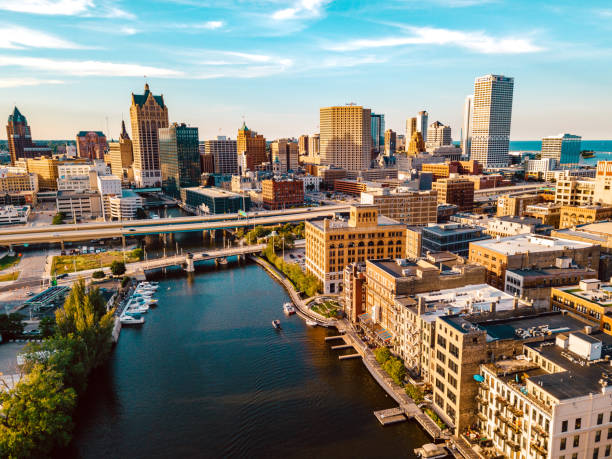
kickstand-project.org – Milwaukee, Wisconsin, located on the shores of Lake Michigan, is a city known for its rich industrial history, vibrant cultural scene, and growing reputation as a hub for innovation and craft beer. With its scenic waterfront, diverse neighborhoods, and thriving arts community, Milwaukee offers a unique blend of old-world charm and modern energy. Whether you’re interested in its historical roots, its renowned breweries, or its diverse arts and culture, Milwaukee provides a fascinating mix of experiences that reflect the city’s deep connections to both the past and the future.
A Historical City with Industrial Roots
Milwaukee’s history is deeply intertwined with the industrial revolution. Once known as the “Beer Capital of the World,” Milwaukee has a long tradition of brewing, with iconic breweries like Miller, Pabst, and Schlitz shaping the city’s identity. The city’s legacy as an industrial hub is reflected in its architecture, with historic breweries and factories still standing alongside modern developments.
One of the best places to explore Milwaukee’s industrial past is the Harley-Davidson Museum, which celebrates the legacy of one of America’s most iconic motorcycle brands. The museum offers a look at the history of Harley-Davidson, showcasing its impact on American culture and the city of Milwaukee.
Another key historical site is the Milwaukee Public Museum, which houses exhibits on the city’s early settlers, Native American cultures, and the natural world. The museum’s “Streets of Old Milwaukee” exhibit is a highlight, offering a glimpse into what life was like in the city in the late 19th century.
A Thriving Arts and Culture Scene
Milwaukee is home to a vibrant arts community that spans visual arts, theater, music, and dance. The Milwaukee Art Museum is a must-visit for art lovers, with its stunning architecture designed by Santiago Calatrava and an extensive collection of European, American, and contemporary art. The museum’s glass-encased Quadracci Pavilion is particularly striking, and visitors can enjoy sweeping views of Lake Michigan from the museum’s waterfront location.
The city’s cultural offerings extend beyond traditional art museums. Milwaukee is also known for its theater scene, with venues like the Milwaukee Repertory Theater and the Marcus Center for the Performing Arts offering a variety of performances, from Broadway shows to local productions. The Milwaukee Symphony Orchestra provides world-class music performances, while the Milwaukee Ballet Company showcases the city’s growing dance community.
Milwaukee is also a hub for public art, with murals and installations scattered throughout the city, particularly in neighborhoods like the Third Ward and Walker’s Point. The city’s annual Gallery Night & Day event provides an opportunity for residents and visitors to explore local galleries and meet artists.
Craft Beer Capital and Culinary Delights
Milwaukee’s reputation as a beer city is well-earned, and today it remains a hub for craft breweries and beer enthusiasts. The city’s brewing tradition is alive and well, with local breweries like Sprecher Brewing Company, Good City Brewing, and MobCraft Beer Brewery leading the charge. Milwaukee also hosts the Great Milwaukee Beer Barons Festival, celebrating the city’s beer culture with tastings, food pairings, and brewery tours.
Beyond its beer scene, Milwaukee boasts a diverse and growing food scene that reflects its cultural heritage. The city’s neighborhoods are home to a wide range of dining options, from classic Wisconsin cheese curds and bratwurst to international cuisines, including Mexican, Italian, and Ethiopian.
The Milwaukee Public Market, located in the Historic Third Ward, is a popular destination for food lovers. The market features fresh produce, artisanal cheeses, seafood, and baked goods, along with a variety of restaurants offering everything from gourmet sandwiches to seafood dishes.
For a true taste of Milwaukee, a visit to one of the city’s many classic taverns or beer halls is a must. These establishments often feature live music, hearty Wisconsin fare, and, of course, local craft beer on tap.
Scenic Waterfront and Outdoor Activities
Milwaukee’s location on the shores of Lake Michigan gives the city a wealth of outdoor recreational opportunities. The Milwaukee Lakefront, a beautiful stretch of green space along the water, offers parks, walking and biking trails, and stunning views of the lake and skyline. The city is home to several parks, including Veterans Park, which hosts outdoor concerts, picnics, and festivals throughout the year.
Milwaukee is also home to the Milwaukee County Zoo, one of the best zoos in the Midwest, offering a family-friendly destination for animal lovers. For those who enjoy hiking and nature, the nearby Kettle Moraine State Forest provides trails, lakes, and scenic vistas.
In the summer months, Milwaukee’s waterfront becomes a hub for outdoor activities. Sailing, kayaking, and paddleboarding are popular activities on Lake Michigan, and the city’s parks host events like outdoor movies, festivals, and live performances. The Summerfest music festival, one of the largest music festivals in the world, takes place each year along the lakefront, drawing hundreds of thousands of visitors.
A Growing Economy and Innovation Hub
Milwaukee’s economy has evolved over the years from its industrial roots to a diverse, modern economy focused on sectors like healthcare, manufacturing, technology, and innovation. The city is home to major companies like Harley-Davidson, Rockwell Automation, and Johnson Controls, as well as a growing number of tech startups and small businesses.
The Milwaukee Institute of Art & Design and the University of Wisconsin-Milwaukee are helping to foster innovation in the city, providing a talent pool for industries ranging from digital media to biotechnology. Milwaukee’s business climate is supported by local organizations like the Greater Milwaukee Committee, which works to promote economic development and improve the city’s infrastructure.
The city’s downtown area has seen significant growth in recent years, with new office buildings, residential developments, and mixed-use spaces adding to the urban landscape. The Milwaukee Art Museum’s expansion and the development of the Milwaukee Bucks’ Fiserv Forum have also contributed to the city’s revitalization.
Diverse Neighborhoods and Local Character
Milwaukee is a city of neighborhoods, each with its own unique personality and charm. The Historic Third Ward, known for its trendy shops, art galleries, and restaurants, is one of the city’s most vibrant areas. The area is also home to the Milwaukee Public Market and the annual Gallery Night & Day event.
Walker’s Point, once an industrial district, has transformed into a hip, up-and-coming neighborhood with trendy bars, restaurants, and art spaces. The neighborhood is also home to the Milwaukee Brewing Company, a cornerstone of the city’s craft beer scene.
In contrast, Bay View offers a more residential feel, with a laid-back vibe and a growing number of indie shops, cafes, and restaurants. The nearby South Shore Park provides access to Lake Michigan and stunning views of downtown Milwaukee.
Conclusion
Milwaukee is a city that combines its rich industrial history with a vibrant cultural and creative energy. From its iconic beer culture and world-class museums to its beautiful lakefront and diverse neighborhoods, Milwaukee offers something for everyone. The city’s continued growth and innovation, combined with its welcoming Midwestern spirit, make it an exciting and dynamic place to visit or call home. Whether you’re exploring its historical sites, enjoying its craft beer, or soaking in the scenic views of Lake Michigan, Milwaukee is a city with a deep sense of pride and a bright future ahead.