Erbazzone: A Savory Pie of Emilia-Romagna

kickstand-project.org – Erbazzone, a hearty and flavorful savory pie, is a beloved dish hailing from the Emilia-Romagna region of Italy. This rustic pie is a testament to the region’s rich culinary heritage, showcasing the simplicity and deliciousness of traditional Italian cuisine.   

A Symphony of Flavors

At its core, Erbazzone is a humble pie, composed of simple yet flavorful ingredients. A buttery, flaky crust encases a savory filling of tender greens, typically a combination of spinach and chard. The filling is further enriched with aromatic onions, crispy pancetta, and grated Parmesan cheese. The result is a dish that is both comforting and satisfying.   

A Culinary Tradition

Erbazzone has deep roots in Emilia-Romagna’s culinary history, dating back centuries. It was often prepared by peasant families as a way to utilize seasonal ingredients and stretch meals. The pie’s simplicity and affordability made it a popular choice for both everyday meals and special occasions.   

A Modern Twist

While the traditional recipe for Erbazzone remains unchanged, modern chefs have put their own spin on this classic dish. Some variations may include the addition of other vegetables, such as leeks or zucchini, or different types of cheese. However, the heart of the dish—the combination of savory greens, rich cheese, and buttery crust—remains the same.  

A Perfect Pairing

Erbazzone pairs well with a variety of wines, depending on your personal preference. A light, crisp white wine, such as a Pinot Grigio or a Soave, can complement the savory flavors of the pie. For a bolder flavor profile, a red wine, such as a Lambrusco or a Sangiovese, can be a great choice.

Whether you’re a seasoned home cook or a novice in the kitchen, Erbazzone is a dish that is relatively easy to prepare and always impressive to serve. Its rustic charm and delicious flavor make it a true culinary delight.
Switzerland: Neutral Nest – A Tradition of Neutrality

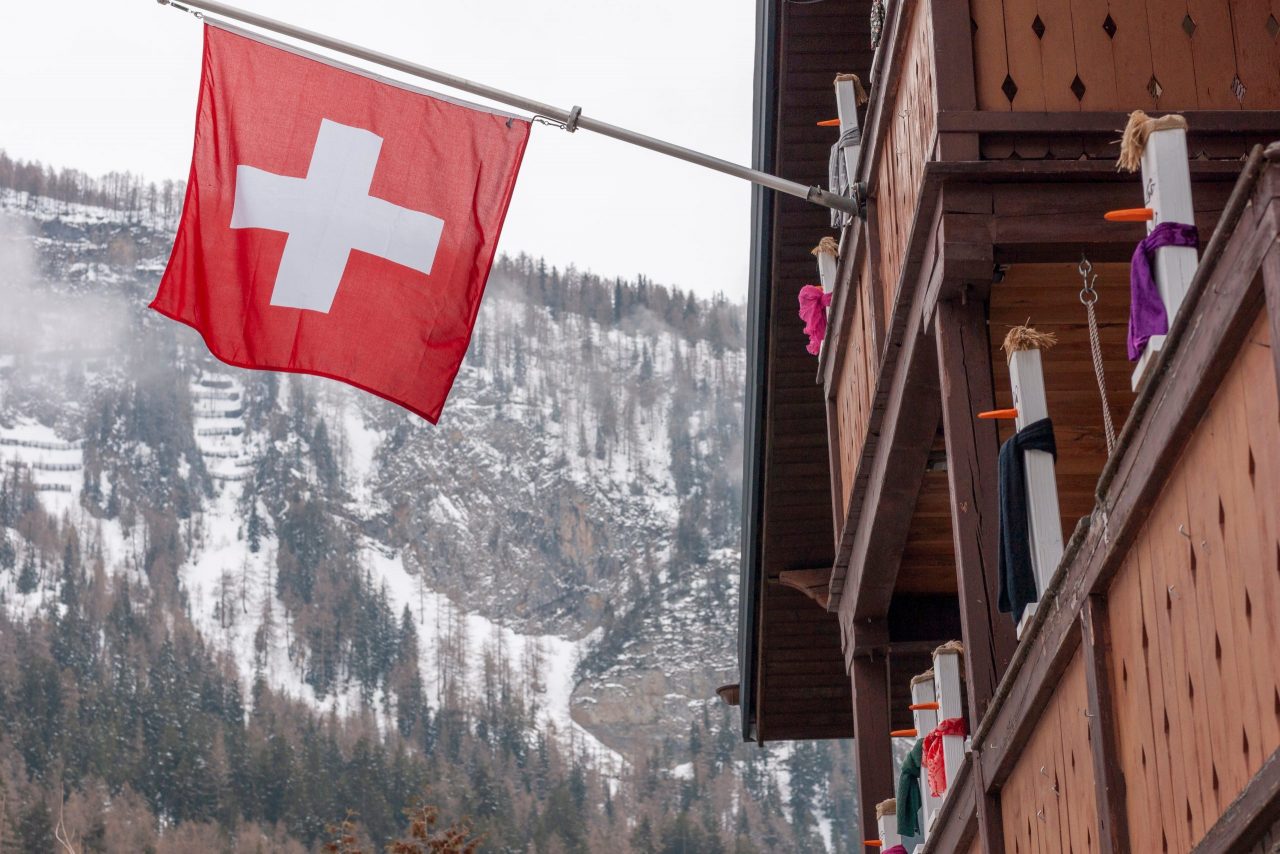
kickstand-project.org – Switzerland, often dubbed the “Neutral Nest,” is a country renowned for its longstanding tradition of neutrality, breathtaking landscapes, and high standard of living. Nestled in the heart of Europe, this landlocked nation offers a unique blend of cultural richness and natural beauty, making it a captivating destination for travelers and a stable environment for residents.

A Tradition of Neutrality

Switzerland’s policy of neutrality is one of its most defining characteristics. For centuries, Switzerland has maintained a neutral stance in international conflicts, earning it a reputation as a peaceful and stable country. This neutrality has allowed Switzerland to play a vital role in international diplomacy, hosting numerous peace talks and serving as the headquarters for various international organizations, including the Red Cross and parts of the United Nations.

Scenic Splendor

Switzerland is home to some of the most stunning landscapes in the world. From the majestic peaks of the Alps to the serene beauty of its lakes, such as Lake Geneva and Lake Lucerne, the Swiss landscape is a paradise for nature lovers and outdoor enthusiasts. The country’s well-preserved natural beauty is complemented by charming villages and vibrant cities, where traditional Swiss architecture meets modern design.

Cultural Diversity

Despite its small size, Switzerland boasts a rich cultural diversity. The country is home to four official languages—German, French, Italian, and Romansh—reflecting its varied cultural heritage. This linguistic diversity is mirrored in the country’s festivals, cuisine, and traditions, offering a unique cultural experience in each region. From the vibrant carnival celebrations in Basel to the traditional cow parades in the Alps, Switzerland’s cultural tapestry is as diverse as its landscape.

Economic Stability and Innovation

Switzerland is known for its robust economy and innovation. The country is a global leader in sectors such as finance, pharmaceuticals, and technology. Its economic stability is further enhanced by a strong education system and a focus on research and development. Swiss cities like Zurich and Geneva are consistently ranked among the world’s most livable, offering a high quality of life and excellent public services.

Conclusion

Switzerland is a “Neutral Nest” that offers a harmonious blend of peace, natural beauty, and cultural diversity. Its tradition of neutrality, coupled with its commitment to innovation and sustainability, makes it not just a destination to visit, but a model of stability and prosperity. Whether you’re exploring the picturesque Swiss countryside or experiencing the cultural vibrance of its cities, Switzerland provides a peaceful and enriching environment that captivates all who visit.

Tradition and Transformation: The Maasai of Kenya

kickstand-project.org – The Maasai are one of the most well-known ethnic groups in Kenya, renowned for their distinctive customs, attire, and lifestyle. Traditionally pastoralists, the Maasai have a rich cultural heritage that has fascinated people around the world. However, as Kenya continues to modernize, the Maasai are at a crossroads, balancing their traditional ways with the pressures of a changing world. This article explores the delicate balance between tradition and transformation within the Maasai community.

Traditional Maasai Culture

Pastoral Lifestyle

The Maasai are traditionally semi-nomadic pastoralists, with their lifestyle centered around the care and management of their livestock, particularly cattle. Cattle are not only a source of food but also a symbol of wealth and status. The Maasai’s intimate knowledge of their environment and their ability to sustain themselves in the arid regions of Kenya and Tanzania are a testament to their resilience and adaptability.

Social Structure and Rites of Passage

Maasai society is organized into clans and age-sets, with each medusa88 login age-group playing a specific role in the community. Rites of passage, such as the Eunoto ceremony, mark the transition from one age-set to another, signifying a change in social status and responsibilities. These ceremonies are integral to Maasai identity and community cohesion.

Dress and Adornment

The Maasai are easily recognized by their distinctive dress, which includes red shukas (cloths), beaded jewelry, and intricate hairstyles. These adornments are not only aesthetic but also carry symbolic meanings, indicating marital status, age-set, and personal achievements.

The Impact of Modernization

Economic Changes

As Kenya’s economy has grown, so too has the pressure on the Maasai to adapt. Many Maasai communities are now engaging in tourism, offering cultural experiences to visitors. While this has provided new economic opportunities, it has also raised concerns about the commercialization of their culture.

Environmental Challenges

Climate change and environmental degradation have posed significant challenges to the Maasai’s traditional pastoral lifestyle. Droughts and competition for land have forced many Maasai to reconsider their relationship with their environment and explore alternative livelihoods.

Education and Technology

Access to education and technology is transforming the Maasai community. Young Maasai are increasingly embracing formal education and using technology to connect with the wider world. This has led to a new generation of Maasai who are striving to blend traditional values with modern knowledge to address the challenges facing their community.

Balancing Tradition and Transformation

Cultural Preservation Efforts

Recognizing the value of their heritage, the Maasai are actively working to preserve their culture. Initiatives such as cultural festivals, community-based conservation projects, and educational programs aim to instill pride in Maasai traditions while preparing the community for the future.

The Role of Women

Maasai women are playing a crucial role in this transformation. They are increasingly involved in decision-making processes and are using their influence to advocate for education, health, and economic empowerment within their communities.

Looking Forward

The Maasai’s journey is a testament to the enduring strength of culture in the face of change. By embracing both tradition and transformation, the Maasai are charting a course that honors their past while preparing for the future. As they continue to navigate the complexities of modern life, the Maasai remain a vibrant and resilient community, rich in heritage and full of hope for the generations to come.

Exploring Country Food Traditions: A Taste of the Terroir

kickstand-project.org – In the heart of every country, there lies a treasure trove of culinary delights that are deeply intertwined with the land, culture, and history of its people. This is the essence of terroir, a French term that refers to the complete natural environment in which a particular plant is grown, including the specific mix of soil, topography, climate, and local vineyard practices. When it comes to food, terroir is not just about the land; it’s about the traditions, the stories, and the flavors that have been cultivated over generations. This article takes you on a journey to explore the rich tapestry of country food traditions, offering a taste of the terroir from around the globe.

The Roots of Terroir: Soil, Climate, and Tradition

Terroir is more than just a concept; it’s a way of life. It’s about understanding that the unique characteristics of a place—its soil, climate, and local traditions—play a crucial role in shaping the flavors of the food that is grown and prepared there. From the rich, volcanic soil of Sicily that produces the sweetest tomatoes to the cool, foggy mornings of Northern California that are perfect for growing crisp, acidic grapes, terroir is everywhere.

A World Tour of Country Food Traditions

Italy: The Art of Slow Food

In Italy, the concept of terroir is celebrated through the Slow Food movement, which emphasizes local, seasonal, and sustainable food. Each region boasts its own unique dishes, from the hearty risottos of Lombardy to the fresh seafood of the Amalfi Coast. Italian cuisine is a testament to the idea that food should be a reflection of the land and its people.

Japan: The Harmony of Flavors

Japan’s cuisine is a harmonious blend of flavors, textures, and colors that reflect the country’s deep connection to nature. From the delicate sushi of Tokyo to the hearty ramen of Hokkaido, Japanese food is a journey through the seasons, with each dish highlighting the best of what the land and sea have to offer.

India: A Spice Odyssey

India’s diverse culinary landscape is a reflection of its complex history and geography. From the fiery curries of the south to the rich, creamy dishes of the north, Indian cuisine is a celebration of spices, each region boasting its own unique blend. The terroir of India is as much about its spice-laden soil as it is about the cultural traditions that have shaped its food.

The Future of Terroir

As the world becomes more globalized, the importance of preserving local food traditions has never been greater. The future of terroir lies in the hands of small farmers, artisan producers, and chefs who are committed to keeping these traditions alive. By supporting local food systems and celebrating the diversity of global cuisines, we can ensure that the rich tapestry of country food traditions continues to thrive for generations to come.

Conclusion

Exploring country food traditions is not just about tasting the terroir; it’s about understanding the deep connection between food, land, and culture. Each dish tells a story, a story of the people, their history, and their relationship with the land. As we continue to navigate the complexities of our global food system, let us not forget the importance of these traditions and the rich flavors they bring to our tables.