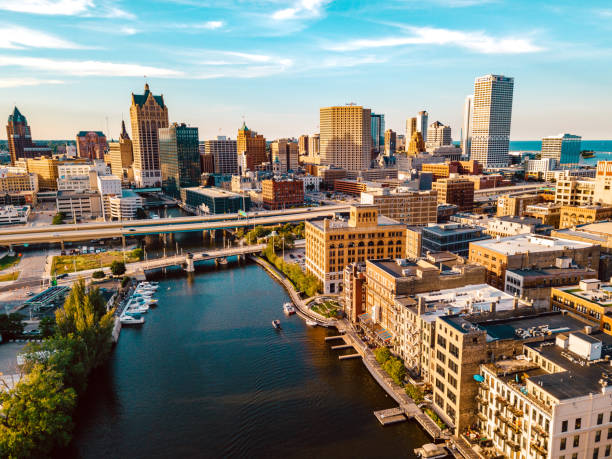
Exploring Milwaukee, Wisconsin: A City of Rich History

kickstand-project.org – Milwaukee, Wisconsin, located on the shores of Lake Michigan, is a city known for its rich industrial history, vibrant cultural scene, and growing reputation as a hub for innovation and craft beer. With its scenic waterfront, diverse neighborhoods, and thriving arts community, Milwaukee offers a unique blend of old-world charm and modern energy. Whether you’re interested in its historical roots, its renowned breweries, or its diverse arts and culture, Milwaukee provides a fascinating mix of experiences that reflect the city’s deep connections to both the past and the future.

A Historical City with Industrial Roots

Milwaukee’s history is deeply intertwined with the industrial revolution. Once known as the “Beer Capital of the World,” Milwaukee has a long tradition of brewing, with iconic breweries like Miller, Pabst, and Schlitz shaping the city’s identity. The city’s legacy as an industrial hub is reflected in its architecture, with historic breweries and factories still standing alongside modern developments.

One of the best places to explore Milwaukee’s industrial past is the Harley-Davidson Museum, which celebrates the legacy of one of America’s most iconic motorcycle brands. The museum offers a look at the history of Harley-Davidson, showcasing its impact on American culture and the city of Milwaukee.

Another key historical site is the Milwaukee Public Museum, which houses exhibits on the city’s early settlers, Native American cultures, and the natural world. The museum’s “Streets of Old Milwaukee” exhibit is a highlight, offering a glimpse into what life was like in the city in the late 19th century.

A Thriving Arts and Culture Scene

Milwaukee is home to a vibrant arts community that spans visual arts, theater, music, and dance. The Milwaukee Art Museum is a must-visit for art lovers, with its stunning architecture designed by Santiago Calatrava and an extensive collection of European, American, and contemporary art. The museum’s glass-encased Quadracci Pavilion is particularly striking, and visitors can enjoy sweeping views of Lake Michigan from the museum’s waterfront location.

The city’s cultural offerings extend beyond traditional art museums. Milwaukee is also known for its theater scene, with venues like the Milwaukee Repertory Theater and the Marcus Center for the Performing Arts offering a variety of performances, from Broadway shows to local productions. The Milwaukee Symphony Orchestra provides world-class music performances, while the Milwaukee Ballet Company showcases the city’s growing dance community.

Milwaukee is also a hub for public art, with murals and installations scattered throughout the city, particularly in neighborhoods like the Third Ward and Walker’s Point. The city’s annual Gallery Night & Day event provides an opportunity for residents and visitors to explore local galleries and meet artists.

Craft Beer Capital and Culinary Delights

Milwaukee’s reputation as a beer city is well-earned, and today it remains a hub for craft breweries and beer enthusiasts. The city’s brewing tradition is alive and well, with local breweries like Sprecher Brewing Company, Good City Brewing, and MobCraft Beer Brewery leading the charge. Milwaukee also hosts the Great Milwaukee Beer Barons Festival, celebrating the city’s beer culture with tastings, food pairings, and brewery tours.

Beyond its beer scene, Milwaukee boasts a diverse and growing food scene that reflects its cultural heritage. The city’s neighborhoods are home to a wide range of dining options, from classic Wisconsin cheese curds and bratwurst to international cuisines, including Mexican, Italian, and Ethiopian.

The Milwaukee Public Market, located in the Historic Third Ward, is a popular destination for food lovers. The market features fresh produce, artisanal cheeses, seafood, and baked goods, along with a variety of restaurants offering everything from gourmet sandwiches to seafood dishes.

For a true taste of Milwaukee, a visit to one of the city’s many classic taverns or beer halls is a must. These establishments often feature live music, hearty Wisconsin fare, and, of course, local craft beer on tap.

Scenic Waterfront and Outdoor Activities

Milwaukee’s location on the shores of Lake Michigan gives the city a wealth of outdoor recreational opportunities. The Milwaukee Lakefront, a beautiful stretch of green space along the water, offers parks, walking and biking trails, and stunning views of the lake and skyline. The city is home to several parks, including Veterans Park, which hosts outdoor concerts, picnics, and festivals throughout the year.

Milwaukee is also home to the Milwaukee County Zoo, one of the best zoos in the Midwest, offering a family-friendly destination for animal lovers. For those who enjoy hiking and nature, the nearby Kettle Moraine State Forest provides trails, lakes, and scenic vistas.

In the summer months, Milwaukee’s waterfront becomes a hub for outdoor activities. Sailing, kayaking, and paddleboarding are popular activities on Lake Michigan, and the city’s parks host events like outdoor movies, festivals, and live performances. The Summerfest music festival, one of the largest music festivals in the world, takes place each year along the lakefront, drawing hundreds of thousands of visitors.

A Growing Economy and Innovation Hub

Milwaukee’s economy has evolved over the years from its industrial roots to a diverse, modern economy focused on sectors like healthcare, manufacturing, technology, and innovation. The city is home to major companies like Harley-Davidson, Rockwell Automation, and Johnson Controls, as well as a growing number of tech startups and small businesses.

The Milwaukee Institute of Art & Design and the University of Wisconsin-Milwaukee are helping to foster innovation in the city, providing a talent pool for industries ranging from digital media to biotechnology. Milwaukee’s business climate is supported by local organizations like the Greater Milwaukee Committee, which works to promote economic development and improve the city’s infrastructure.

The city’s downtown area has seen significant growth in recent years, with new office buildings, residential developments, and mixed-use spaces adding to the urban landscape. The Milwaukee Art Museum’s expansion and the development of the Milwaukee Bucks’ Fiserv Forum have also contributed to the city’s revitalization.

Diverse Neighborhoods and Local Character

Milwaukee is a city of neighborhoods, each with its own unique personality and charm. The Historic Third Ward, known for its trendy shops, art galleries, and restaurants, is one of the city’s most vibrant areas. The area is also home to the Milwaukee Public Market and the annual Gallery Night & Day event.

Walker’s Point, once an industrial district, has transformed into a hip, up-and-coming neighborhood with trendy bars, restaurants, and art spaces. The neighborhood is also home to the Milwaukee Brewing Company, a cornerstone of the city’s craft beer scene.

In contrast, Bay View offers a more residential feel, with a laid-back vibe and a growing number of indie shops, cafes, and restaurants. The nearby South Shore Park provides access to Lake Michigan and stunning views of downtown Milwaukee.

Conclusion

Milwaukee is a city that combines its rich industrial history with a vibrant cultural and creative energy. From its iconic beer culture and world-class museums to its beautiful lakefront and diverse neighborhoods, Milwaukee offers something for everyone. The city’s continued growth and innovation, combined with its welcoming Midwestern spirit, make it an exciting and dynamic place to visit or call home. Whether you’re exploring its historical sites, enjoying its craft beer, or soaking in the scenic views of Lake Michigan, Milwaukee is a city with a deep sense of pride and a bright future ahead.

Exploring “Seal Song” by Andrea Spalding

kickstand-project.org – “Seal Song” by Andrea Spalding is a beautifully crafted children’s book that combines elements of folklore, friendship, and the magic of nature. Set against the stunning backdrop of the sea, this story captivates young readers with its enchanting narrative and vibrant illustrations. This article delves into the themes and artistic elements that make “Seal Song” a delightful read.

A Tale of Friendship and Folklore

“Seal Song” tells the story of a young boy named Finn, who lives by the sea. Finn shares a special bond with a mysterious and magical seal, who reveals herself to be a selkie—a creature from Celtic mythology that can transform from seal to human. The book weaves an engaging tale of friendship and loyalty, as Finn learns the importance of understanding and respecting the natural world and its myths.

Andrea Spalding’s Storytelling

Andrea Spalding’s storytelling is both lyrical and heartfelt, capturing the imagination of young readers. Her narrative is rich with the rhythms of the sea and the allure of ancient folklore. Through her words, Spalding creates a world where magic feels tangible and where the bonds between humans and nature are celebrated.

Themes of Nature and Respect

The book explores themes of nature, respect, and the interconnectedness of all living things. It emphasizes the idea that humans and animals share a world where mutual respect and understanding are essential. Spalding’s story encourages children to appreciate the beauty and mystery of the natural world and to cherish the relationships they form within it.

Illustrations and Visual Appeal

The illustrations in “Seal Song,” created by Pascal Milelli, complement Spalding’s narrative beautifully. The artwork captures the essence of the coastal setting and the mystical qualities of the selkie. The vivid and evocative images draw readers into the story, enhancing their connection to the characters and the enchanting world they inhabit.

Conclusion

“Seal Song” by Andrea Spalding is a captivating children’s book that blends folklore and friendship with the wonders of the natural world. Through its engaging story and stunning illustrations, the book invites young readers to explore themes of magic, loyalty, and respect for nature. It is a delightful read for anyone looking to introduce children to the beauty of storytelling and the richness of cultural myths.

Exploring the New World: Columbus Day

kickstand-project.org – Columbus Day is an annual holiday celebrated on the second Monday in October, commemorating the arrival of Christopher Columbus in the Americas on October 12, 1492. This day marks a pivotal moment in history, as it signifies the beginning of the European exploration and colonization of the New World. Despite the controversy surrounding Columbus’s legacy, the holiday provides an opportunity to explore the complexities of this historical event and its lasting impact on the world.

The Voyage of Christopher Columbus

Christopher Columbus, an Italian explorer sailing under the Spanish flag, embarked on a journey across the Atlantic Ocean in search of a new trade route to Asia. His fleet, consisting of the Niña, Pinta, and Santa María, landed in the Bahamas, believing it to be part of the East Indies. This misconception led to the native inhabitants being called “Indians,” a term that persisted for centuries.

The Significance of Columbus’s Discovery

Columbus’s discovery opened the door to widespread exploration and colonization of the Americas by European powers. It led to the exchange of goods, cultures, and diseases between the Old World and the New World, a phenomenon known as the Columbian Exchange. This period marked the beginning of significant demographic, economic, and cultural changes on both sides of the Atlantic.

The Controversy Surrounding Columbus Day

In recent years, Columbus Day has become a subject of controversy. Critics argue that Columbus’s expeditions led to the exploitation, enslavement, and genocide of indigenous peoples. They highlight the suffering endured by Native American populations due to European colonization and call for a reevaluation of how Columbus and his legacy are celebrated.

Indigenous Peoples’ Day

In response to the controversy, many cities and states in the United States have started to observe Indigenous Peoples’ Day instead of, or alongside, Columbus Day. This alternative holiday aims to honor the cultures and contributions of Native American and Indigenous peoples, recognizing their historical and ongoing struggles for survival, human rights, and identity.

Exploring the New World: Then and Now

The spirit of exploration that Columbus embodied continues to resonate today, albeit in different forms. Modern explorers, such as astronauts and scientists, push the boundaries of human knowledge, exploring new frontiers in space and understanding the complexities of our planet. The quest for knowledge and the desire to discover the unknown remain fundamental aspects of human nature.

Conclusion

Columbus Day serves as a reminder of the profound impact that exploration and discovery can have on the course of history. While the legacy of Christopher Columbus is complex and contested, the holiday offers an opportunity to reflect on the past, understand its implications for the present, and consider the ethical dimensions of exploration and encounter. As society continues to grapple with the legacy of Columbus and the broader history of European colonization, it is essential to engage in respectful and informed dialogue about the past, present, and future of our interconnected world.

Exploring Country Food Traditions: A Taste of the Terroir

kickstand-project.org – In the heart of every country, there lies a treasure trove of culinary delights that are deeply intertwined with the land, culture, and history of its people. This is the essence of terroir, a French term that refers to the complete natural environment in which a particular plant is grown, including the specific mix of soil, topography, climate, and local vineyard practices. When it comes to food, terroir is not just about the land; it’s about the traditions, the stories, and the flavors that have been cultivated over generations. This article takes you on a journey to explore the rich tapestry of country food traditions, offering a taste of the terroir from around the globe.

The Roots of Terroir: Soil, Climate, and Tradition

Terroir is more than just a concept; it’s a way of life. It’s about understanding that the unique characteristics of a place—its soil, climate, and local traditions—play a crucial role in shaping the flavors of the food that is grown and prepared there. From the rich, volcanic soil of Sicily that produces the sweetest tomatoes to the cool, foggy mornings of Northern California that are perfect for growing crisp, acidic grapes, terroir is everywhere.

A World Tour of Country Food Traditions

Italy: The Art of Slow Food

In Italy, the concept of terroir is celebrated through the Slow Food movement, which emphasizes local, seasonal, and sustainable food. Each region boasts its own unique dishes, from the hearty risottos of Lombardy to the fresh seafood of the Amalfi Coast. Italian cuisine is a testament to the idea that food should be a reflection of the land and its people.

Japan: The Harmony of Flavors

Japan’s cuisine is a harmonious blend of flavors, textures, and colors that reflect the country’s deep connection to nature. From the delicate sushi of Tokyo to the hearty ramen of Hokkaido, Japanese food is a journey through the seasons, with each dish highlighting the best of what the land and sea have to offer.

India: A Spice Odyssey

India’s diverse culinary landscape is a reflection of its complex history and geography. From the fiery curries of the south to the rich, creamy dishes of the north, Indian cuisine is a celebration of spices, each region boasting its own unique blend. The terroir of India is as much about its spice-laden soil as it is about the cultural traditions that have shaped its food.

The Future of Terroir

As the world becomes more globalized, the importance of preserving local food traditions has never been greater. The future of terroir lies in the hands of small farmers, artisan producers, and chefs who are committed to keeping these traditions alive. By supporting local food systems and celebrating the diversity of global cuisines, we can ensure that the rich tapestry of country food traditions continues to thrive for generations to come.

Conclusion

Exploring country food traditions is not just about tasting the terroir; it’s about understanding the deep connection between food, land, and culture. Each dish tells a story, a story of the people, their history, and their relationship with the land. As we continue to navigate the complexities of our global food system, let us not forget the importance of these traditions and the rich flavors they bring to our tables.

Exploring the Possibilities of Landscape Photography: Wide Angle

kickstand-project.org – Landscape photography is a genre that captures the vastness and beauty of the natural world, urban landscapes, and everything in between. It’s a form of art that requires patience, a keen eye for detail, and a deep understanding of the elements that make a scene compelling. Among the various tools at a landscape photographer’s disposal, the wide-angle lens stands out as a versatile and powerful option that opens up a world of creative possibilities. In this article, we’ll explore the potential of wide-angle lenses in landscape photography, discussing their benefits, techniques for effective use, and some of the challenges they present.

The Benefits of Wide-Angle Lenses

Wide-angle lenses, typically those with a focal length of 35mm or less, offer a field of view that is significantly broader than what the human eye can see. This expansive perspective is particularly advantageous in landscape photography for several reasons:

  1. Incorporating More Scenery: Wide-angle lenses allow photographers to capture more of the scene, including foreground elements, the main subject, and the background. This comprehensive approach can create a sense of place and scale that is difficult to achieve with other types of lenses.
  2. Enhancing Depth Perception: The wide field of view can exaggerate the sense of depth in an image, making nearby objects appear larger and further away than they are in reality. This effect can be used to dramatic effect in landscape photography, emphasizing the vastness of the landscape.
  3. Creative Flexibility: Wide-angle lenses offer a lot of flexibility in tight spaces, such as when photographing landscapes in dense forests or narrow valleys. They allow photographers to step back less and still fit more into the frame, opening up shooting opportunities in confined locations.

Techniques for Effective Use

To fully leverage the potential of wide-angle lenses in landscape photography, consider the following techniques:

  • Foreground Interest: Use the wide field of view to incorporate interesting foreground elements. This not only adds depth to the image but also gives the viewer a point of reference and a sense of scale.
  • Perspective and Composition: Experiment with perspective by changing your shooting angle and height. Wide-angle lenses can dramatically alter the appearance of a scene depending on where you position the camera. Composition-wise, the rule of thirds is a classic guideline, but don’t be afraid to break rules for creative effect.
  • Managing Distortion: Wide-angle lenses can introduce barrel distortion and exaggerate perspective, especially at the edges of the frame. Be mindful of these effects and correct them in post-processing if necessary. Alternatively, use these characteristics creatively to add dynamism to your images.
  • Watch the Edges: With a wide field of view, it’s easy to inadvertently include unwanted elements at the edges of the frame. Take the time to carefully compose your shots, checking the entire frame through the viewfinder or on the LCD screen.

Challenges and Considerations

While wide-angle lenses offer many benefits, they also present certain challenges:

  • Managing the Sky: In landscape photography, the sky often plays a significant role. With a wide-angle lens, it can occupy a large portion of the frame, requiring careful exposure management, especially in high-contrast situations. Graduated neutral density filters can be a valuable tool in balancing the exposure between the sky and the landscape.
  • Perspective Distortion: While perspective distortion can be used creatively, it can also be a challenge when trying to maintain the natural appearance of subjects within the landscape, such as people or buildings. It’s important to be aware of how your position relative to the subject can affect the outcome.
  • Selective Focus: Wide-angle lenses have a relatively deep depth of field, which is generally beneficial for landscape photography. However, achieving a shallow depth of field for selective focus can be more challenging. This might be desired when trying to isolate a subject from a busy background.

In conclusion, wide-angle lenses are an indispensable tool in the landscape photographer’s kit, offering a unique perspective that can transform the ordinary into the extraordinary. By understanding the characteristics and potential of these lenses, photographers can unlock a world of creative possibilities, capturing the grandeur and beauty of the landscapes around them in new and exciting ways.