My Neighbor Totoro (1988) – A Heartwarming Tale of Childhood

kickstand-project.org – My Neighbor Totoro (1988), directed by Hayao Miyazaki and produced by Studio Ghibli, is one of the most beloved animated films in the world. With its vibrant storytelling, enchanting characters, and themes of innocence and childhood, the film has become a timeless classic, cherished by audiences of all ages. Unlike many other animated films, My Neighbor Totoro eschews grand adventures or dramatic conflicts, focusing instead on the simple joys of nature, family, and childhood imagination.

The film is a gentle exploration of the bonds between sisters, the magic of rural Japan, and the serene power of nature. With its unique blend of whimsy, heart, and beautiful animation, My Neighbor Totoro has captivated generations of viewers and remains one of Studio Ghibli’s most iconic works. Through its charming characters and lush, dreamlike visuals, the film evokes a sense of wonder that resonates long after the credits roll.

Plot Overview: Two Sisters and a Forest Spirit

Set in 1950s Japan, My Neighbor Totoro follows the story of two young sisters, Satsuki (voiced by Noriko Hidaka) and Mei (voiced by Chika Sakamoto), who move with their father to a rural countryside home. They are settling into their new life, as their mother is in the hospital, and their father works as a professor at a nearby university. The film’s tone is light and full of exploration, reflecting the joy and curiosity of childhood.

Soon after settling in, Mei, the younger sister, discovers a mysterious creature in the nearby woods—an enormous, fluffy, and lovable forest spirit named Totoro (voiced by Frank Welker in the English dub). Totoro, who can only be seen by the sisters, is both a guardian of the forest and a magical creature who introduces them to a world of imagination and wonder. As the story unfolds, the two sisters form a close bond with Totoro, embarking on small but magical adventures, such as riding the Catbus—a giant cat-shaped bus that transports them to new and exciting places.

While My Neighbor Totoro primarily focuses on the sisters’ adventures with their newfound friend, the film also weaves in a poignant storyline about the importance of family and the strength of love in times of uncertainty. As Satsuki and Mei struggle with the worry about their mother’s health, their bond with each other, their father, and the comforting presence of Totoro helps them find solace and joy amidst difficult times.

Themes: Childhood, Imagination, and the Power of Nature

At its core, My Neighbor Totoro is a celebration of childhood—the wonder, freedom, and innocence that come with being young. The film captures the pure curiosity and open-mindedness of children, who see the world around them as a place filled with possibilities and hidden magic. The relationship between the two sisters is portrayed with warmth and authenticity, highlighting the natural sibling dynamic of caring, teasing, and supporting each other. Their interactions are charming and relatable, creating an emotional foundation for the story that resonates with audiences of all ages.

One of the film’s central themes is the power of imagination. Totoro and the magical creatures of the forest serve as representations of the childlike ability to see and believe in things beyond the ordinary world. For the sisters, Totoro represents a fantastical escape from their worries and a way to cope with the uncertainty of their mother’s illness. This magic allows them to maintain their sense of wonder, even when faced with the challenges of life. The film encourages viewers to embrace imagination and the idea that the world is full of unseen, magical forces, if only we are open enough to perceive them.

Another important theme is the relationship between humans and nature. The rural setting, with its lush forests, meadows, and fields, is integral to the film’s peaceful atmosphere. The natural world is not just a backdrop for the story—it is a central character in itself. Totoro, as the spirit of the forest, symbolizes the deep connection between humans and nature, suggesting that harmony and mutual respect are essential for both survival and well-being. The film’s gentle portrayal of nature as something alive with magic offers a stark contrast to the urbanized, industrial world often depicted in other films.

The film also touches on themes of resilience and hope. As the girls navigate the challenges in their lives, including their mother’s illness and the struggles of rural life, they find strength in each other, their family, and the magic that surrounds them. My Neighbor Totoro emphasizes that even in difficult times, moments of wonder and joy can offer comfort and healing.

Characters: Innocence, Love, and the Magic of Childhood

The characters in My Neighbor Totoro are endearing, each contributing to the film’s heartwarming tone and emotional depth.

  • Satsuki: The older sister, Satsuki, is caring, responsible, and mature for her age. As she tries to balance her responsibilities as a caretaker for Mei with the worry over their mother’s health, Satsuki’s character embodies the protective love that often defines older siblings. She is the emotional anchor of the film, providing strength to her younger sister and maintaining optimism in the face of hardship.
  • Mei: Mei, the younger sister, is curious, adventurous, and full of youthful energy. Her boundless imagination and wide-eyed wonder add a sense of magic to the story, as she is the first to discover Totoro and form a connection with him. Mei’s innocence and ability to embrace the unknown make her an unforgettable character, representing the purity and joy of childhood.
  • Totoro: Totoro, the titular character, is a large, furry, and friendly forest spirit. With his huge eyes and playful demeanor, he has become one of the most iconic figures in Japanese animation. While he is mostly silent, his presence is comforting and reassuring, providing a sense of safety for the sisters as they navigate their challenges. Totoro’s role as a protector of the forest is symbolic of the deeper connection between humans and the natural world, offering a silent yet powerful message of environmental stewardship.
  • The Father: The girls’ father, a kind and understanding man, is supportive of his daughters throughout the film. He encourages their imaginations and is empathetic to their concerns about their mother. While he is more of a background character in the film, his loving presence is crucial to the emotional core of the story.
  • The Catbus: One of the more whimsical characters in the film, the Catbus is a large, magical cat with a bus-like body that the girls ride during their adventures with Totoro. The Catbus adds an element of fantasy to the film, contributing to the sense of wonder that permeates the story.

Animation and Art Style: A World of Beauty and Whimsy

The animation in My Neighbor Totoro is a beautiful and captivating work of art. The film’s lush landscapes, filled with vibrant greenery, wide open spaces, and meandering streams, perfectly capture the beauty of rural Japan. Studio Ghibli’s attention to detail is evident in the intricacy of the natural settings, with each frame designed to evoke the peaceful and serene atmosphere of the countryside.

The character designs are simple yet charming, with soft, rounded shapes that enhance the feeling of warmth and comfort. Totoro, with his large, fluffy body and gentle eyes, has become one of the most recognizable and beloved characters in animation history. The other magical creatures, such as the small, dust-like spirits that follow Mei and the Catbus, further emphasize the whimsical nature of the story.

The animation style complements the film’s themes of innocence and wonder, with each movement feeling fluid and natural. The use of color is particularly striking—bright greens, yellows, and blues dominate the color palette, contributing to the film’s cheerful, hopeful tone. The visual elements of My Neighbor Totoro work in harmony with the narrative, creating a world that feels alive with magic and possibility.

Music and Soundtrack: A Light and Playful Score

The film’s music, composed by Joe Hisaishi, is one of its defining features. Hisaishi’s score for My Neighbor Totoro is light, joyful, and filled with a sense of playfulness that mirrors the film’s whimsical nature. The iconic theme song, which includes the refrain “Tonari no Totoro” (“My Neighbor Totoro”), has become synonymous with the film itself and is instantly recognizable to fans around the world. The soundtrack’s gentle melodies and soothing tones perfectly complement the film’s quiet, reflective moments and magical adventures.

The music not only adds to the enchanting atmosphere of the film but also enhances the emotional depth of the characters’ experiences. Whether it’s the whimsical sounds accompanying the magical sequences or the more somber tones during the moments of worry about their mother, the music adds an emotional layer that brings the story to life.

Legacy: A Timeless Classic for All Ages

My Neighbor Totoro is widely regarded as one of the greatest animated films ever made. Its gentle storytelling, stunning animation, and universal themes of childhood, family, and nature have earned it a dedicated global fanbase. The film’s cultural impact has been significant, with Totoro becoming an iconic figure in both Japanese pop culture and around the world. Totoro’s image is used in everything from merchandise to theme parks, making him one of the most recognizable characters in animation history.

Beyond its commercial success, My Neighbor Totoro has also earned critical acclaim for its emotional depth and subtle exploration of the human condition. It is often cited as an essential work for those interested in animation, film, or storytelling in general, as it demonstrates the power of simplicity in conveying complex emotions.

Studio Ghibli’s ability to create a film that resonates with both children and adults is part of what makes My Neighbor Totoro so enduring. The themes of love, imagination, and nature are timeless, and the film continues to be a source of comfort and joy for viewers of all ages.

Conclusion: A Celebration of Childhood Wonder

My Neighbor Totoro (1988) is a heartwarming and magical tale that reminds us of the beauty and simplicity of childhood. Its gentle, tender storytelling and breathtaking animation make it a beloved classic that will continue to inspire and enchant viewers for generations to come. Hayao Miyazaki’s masterpiece captures the spirit of innocence, imagination, and the deep connection between humans and nature, offering a timeless celebration of the wonders of life.
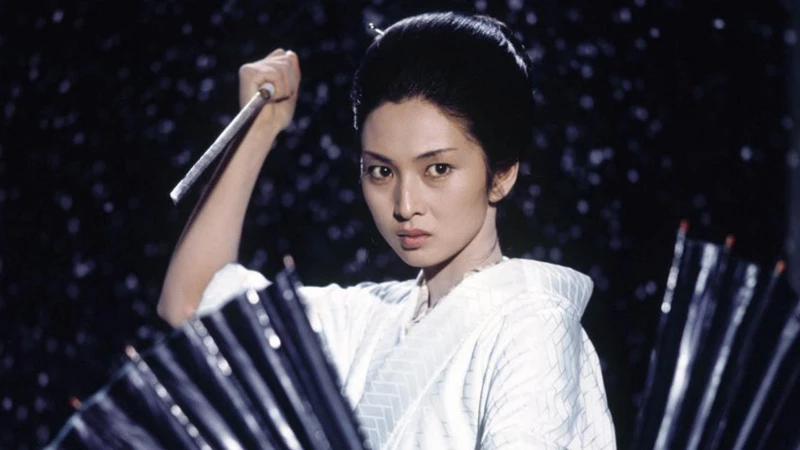

Lady Snowblood (1973): A Dark Tale of Revenge

kickstand-project.org – Lady Snowblood (Shurayukihime, 1973), directed by Toshiya Fujita, is a seminal Japanese exploitation film that has left an indelible mark on cinema, influencing numerous films in both the action and revenge genres. Based on the manga series by Kazuo Koike and illustrated by Kazuo Kamimura, the film tells the story of a woman named Yuki, who embarks on a brutal quest for vengeance against the criminals who destroyed her family. The film blends elements of the samurai genre with a gritty, stylized form of violence and vengeance, establishing a template for many films that followed, including Quentin Tarantino’s Kill Bill.

Though it is often categorized as a “revenge” or “exploitation” film, Lady Snowblood transcends its genre by offering a poignant exploration of the human cost of vengeance, the nature of justice, and the emotional toll of living a life defined by hatred. With its visually striking cinematography, unforgettable score, and complex central character, Lady Snowblood stands as both a genre-defining work and a deeply compelling character study.

Plot Overview

The film opens in the late 19th century during Japan’s Meiji era. Yuki (played by Meiko Kaji), a woman with striking red clothing and snow-white skin, seeks vengeance on a group of criminals who wronged her family years ago. Her story begins with a tragic flashback to her birth, where it is revealed that her mother, a victim of a brutal assault, gave birth to her daughter in prison. This act is not out of love, but as part of a larger plan for revenge. Yuki’s mother, who had been wronged by a gang of ruthless men, has raised her daughter in an environment of hatred and fury, training her for the sole purpose of exacting revenge on the individuals responsible for her suffering.

Yuki’s life is defined by her mother’s thirst for vengeance. The film follows her as she tracks down and eliminates the men who destroyed her family, one by one. Each death is a moment of catharsis for Yuki, but also deepens her personal conflict. The vengeance she seeks provides her with a purpose, but it also consumes her, leaving her isolated and emotionally numb. Her relationship with the world and the people around her becomes increasingly defined by bloodshed, culminating in a climactic confrontation that forces her to confront the true cost of her quest for justice.

The film’s narrative structure is nonlinear, with frequent flashbacks that slowly reveal the tragic backstory of Yuki’s mother, the motivation behind Yuki’s vengeance, and the philosophical implications of her actions. The movie unfolds with a sense of inevitability as Yuki systematically takes out each of her targets, but the emotional and psychological toll of this unrelenting pursuit of revenge begins to catch up with her.

Themes: Revenge, Justice, and Humanity

Revenge and Its Consequences

At the heart of Lady Snowblood is the theme of revenge. The film asks fundamental questions about the nature of vengeance and its consequences. Yuki’s quest for justice is born from deep personal trauma and an unyielding desire to right the wrongs done to her family. However, as she exacts her brutal revenge on the men who ruined her life, the film begins to suggest that revenge, while satisfying in the short term, may ultimately be hollow and destructive.

The film explores how revenge can be all-consuming. Yuki’s ability to kill is shown as a cold, almost mechanical skill, a trait she has inherited from her mother’s singular focus on vengeance. While she is successful in eliminating her enemies, each act of violence takes a toll on her soul, isolating her from any potential for emotional connection. The more successful she becomes in her mission, the more she finds herself trapped in an endless cycle of hatred and bloodshed.

Lady Snowblood suggests that revenge, while it may bring a sense of justice, ultimately leaves its practitioners empty and broken. Yuki’s pursuit of vengeance prevents her from truly living, rendering her a ghostly figure, incapable of engaging with the world around her except through violence. The film highlights the emptiness that comes with living a life defined by vengeance.

Justice and Morality

The film presents a morally complex landscape where justice is not always clear-cut. Yuki’s actions, while driven by a sense of justice and a desire to right the wrongs done to her family, often blur the line between right and wrong. She becomes a symbol of vengeance—her righteous cause is subverted by the brutal methods she uses to achieve it.

Lady Snowblood challenges the traditional notions of justice, asking whether the ends can justify the means. It presents the audience with the dilemma of whether Yuki’s actions can be seen as justified or whether they are ultimately a form of blind, destructive violence. Her ruthless pursuit of vengeance creates a morally ambiguous situation, in which the lines between the victim and the perpetrator become increasingly difficult to distinguish.

The film also examines the impact of institutionalized injustice. Yuki’s family was wronged by a group of criminals, but the larger societal structures of the time fail to bring them to justice. In this context, Yuki’s vigilante actions can be seen as a response to a world where traditional systems of justice are either corrupt or ineffective.

Humanity and Alienation

As Yuki moves further into her journey of revenge, she becomes increasingly alienated from her humanity. Her capacity for love, compassion, and even normal human interaction diminishes, as her mission takes precedence over everything else in her life. The film poignantly explores the cost of dedicating oneself to vengeance, suggesting that the price of retribution is not just the lives of others, but also the forfeiting of one’s own humanity.

The film contrasts Yuki’s cold, emotionless persona with moments of vulnerability, particularly in her brief interactions with a few sympathetic characters. These moments underscore the possibility of redemption and human connection, which remain forever out of reach for Yuki due to the all-encompassing nature of her mission. Lady Snowblood serves as a meditation on the toll of living a life of vengeance—how it distances individuals from their innate humanity and destroys their capacity for compassion.

Cinematic Style and Visuals

The visual style of Lady Snowblood is one of the film’s most striking features. Director Toshiya Fujita and cinematographer Chishi Maki expertly use color, composition, and lighting to heighten the film’s intense emotional and dramatic impact. The film is famous for its bold and dramatic use of color, particularly in its depiction of bloodshed. The contrast of bright red blood against the stark, snow-covered landscape serves as a visual metaphor for the collision of innocence and violence at the core of the film.

The action sequences in Lady Snowblood are brutal yet elegantly choreographed, combining the sharp swordplay of samurai films with the stylized violence typical of exploitation cinema. The film’s fight scenes are fast-paced and intense, with the camera often lingering on the violence in ways that emphasize its coldness and inevitability. The film’s action scenes, while visually exciting, also convey the emotional and psychological toll of the violence being committed.

The film’s score, composed by the legendary composer, Tôru Takemitsu, is haunting and atmospheric, further enhancing the film’s melancholic and dark tone. The music provides a stark contrast to the intensity of the action, creating a sense of emotional depth and tragedy that elevates the film beyond its genre roots.

Reception and Legacy

Lady Snowblood was well-received upon its release and has since gained a cult following, particularly for its groundbreaking use of stylized violence and its complex portrayal of a female protagonist. Meiko Kaji’s performance as Yuki became iconic, and her character is now one of the most recognizable in Japanese cinema. Kaji’s portrayal of a woman driven by vengeance, yet emotionally torn by the consequences of her actions, remains a defining feature of the film.

The film’s influence can be seen in a variety of works, most notably Quentin Tarantino’s Kill Bill, which pays direct homage to Lady Snowblood in its themes, aesthetic choices, and the character of the Bride, who similarly embarks on a path of bloody vengeance. Lady Snowblood also helped pave the way for other revenge-driven films, influencing both Asian and Western filmmakers.

Today, Lady Snowblood is regarded as a seminal film in the revenge genre, recognized for its visual style, feminist undertones, and exploration of themes like justice, vengeance, and the cost of violence. It remains a landmark in both Japanese cinema and the global action genre.

Conclusion

Lady Snowblood (1973) is a powerful and visually striking film that explores the complexities of revenge, justice, and humanity. Through its central character, Yuki, the film delves into the psychological and emotional toll of living a life defined by vengeance. With its bold cinematography, iconic performances, and haunting themes, Lady Snowblood stands as a landmark in Japanese cinema and continues to influence films across the globe. A tale of brutality and pathos, Lady Snowblood is a poignant meditation on the devastating cost of retribution and the toll it takes on the soul.

The Mighty Ursus: A Herculean Tale of Adventure

kickstand-project.org – The Mighty Ursus (1964), also known as Ursus, Son of Hercules, is a classic Italian sword-and-sandal film that embodies the genre’s signature blend of action, adventure, and mythological fantasy. Directed by Carlo Campogalliani, the film stars Ed Fury as the titular hero, a powerful warrior with superhuman strength.   

A Hero’s Journey

The plot follows Ursus, a valiant warrior who returns home after years of battle to find his beloved fiancée, Attea, kidnapped by a sinister cult. Determined to rescue her, Ursus embarks on a perilous quest to a remote island. Along the way, he encounters a variety of challenges, including treacherous terrain, dangerous creatures, and ruthless enemies.   

One of the most memorable aspects of The Mighty Ursus is its stunning cinematography, which showcases the breathtaking landscapes of Italy. The film’s exotic locations, from lush forests to rugged mountains, provide a visually striking backdrop for the epic adventures of Ursus.

A Genre Icon

Ed Fury, the American actor who portrayed Ursus, became a cult icon for his portrayal of the heroic figure. His imposing physique and commanding presence made him the perfect choice for the role. Fury’s performance, combined with the film’s thrilling action sequences and captivating storyline, has ensured The Mighty Ursus a place in the hearts of fans of sword-and-sandal cinema.

The film’s popularity led to a series of sequels, further cementing Ursus’ status as a beloved character in Italian popular culture. The series, which includes titles like Ursus, the Gladiator and Ursus and the Tartars, continues to be enjoyed by fans of the genre.

A Timeless Classic

The Mighty Ursus is a timeless classic that appeals to audiences of all ages. Its blend of adventure, heroism, and mythological fantasy has captivated viewers for decades. Whether you’re a fan of sword-and-sandal films or simply looking for a fun and entertaining movie, The Mighty Ursus is sure to deliver.

Athirah: A Tale of Resilience and Family in 1960s Indonesia

kickstand-project.org – “Athirah,” a 2016 Indonesian film directed by Riri Riza, presents a deeply moving narrative centered around the themes of family, resilience, and personal growth. Set in the 1960s, the film is inspired by the life of Athirah Kalla, the mother of Indonesia’s former Vice President, Jusuf Kalla. Through its compelling storyline and rich cultural backdrop, “Athirah” offers a poignant exploration of the challenges faced by women in a rapidly changing society.

Plot Summary

The film unfolds in the bustling city of Makassar, where Athirah (played by Cut Mini) navigates the complexities of family life after her husband, Puang Aji (Arman Dewarti), takes a second wife. As Athirah grapples with feelings of betrayal and heartache, she must also maintain her responsibilities as a mother to her children, including her eldest son, Ucu (Christoffer Nelwan). The story follows Athirah’s journey as she finds strength and independence amidst personal turmoil, ultimately becoming a pillar of resilience for her family.

Themes and Style

“Athirah” delves into themes of love, loyalty, and self-discovery. The film poignantly captures the emotional struggles of its protagonist while highlighting the societal expectations placed on women during the 1960s in Indonesia. Riza’s direction is marked by a sensitive portrayal of Athirah’s internal conflicts and her evolving relationship with her family. The film’s visual style, characterized by its warm and nostalgic hues, effectively evokes the period setting and enhances the emotional depth of the narrative.

Cultural and Historical Context

Set against the backdrop of a transformative era in Indonesia, “Athirah” provides insight into the cultural and social dynamics of the time. The film reflects the traditional values and gender roles prevalent in Indonesian society during the 1960s, while also depicting the gradual shift towards modernity and individual empowerment. Through its authentic portrayal of daily life and cultural practices, “Athirah” serves as both a personal story and a broader commentary on societal change.

Reception and Impact

Critically acclaimed for its powerful storytelling and outstanding performances, “Athirah” has resonated with audiences both in Indonesia and internationally. Cut Mini’s portrayal of Athirah has been particularly lauded for its depth and nuance, earning her several awards and nominations. The film’s success lies in its ability to connect with viewers on an emotional level while offering a window into a pivotal period in Indonesian history.

Conclusion

In conclusion, “Athirah” is a beautifully crafted film that offers a touching exploration of personal resilience and familial bonds. Through its rich narrative and cultural authenticity, the film not only honors the legacy of its titular character but also sheds light on the universal themes of love, strength, and perseverance. For those interested in heartfelt stories and historical dramas, “Athirah” is a compelling film that is sure to leave a lasting impression.

Exploring “Seal Song” by Andrea Spalding

kickstand-project.org – “Seal Song” by Andrea Spalding is a beautifully crafted children’s book that combines elements of folklore, friendship, and the magic of nature. Set against the stunning backdrop of the sea, this story captivates young readers with its enchanting narrative and vibrant illustrations. This article delves into the themes and artistic elements that make “Seal Song” a delightful read.

A Tale of Friendship and Folklore

“Seal Song” tells the story of a young boy named Finn, who lives by the sea. Finn shares a special bond with a mysterious and magical seal, who reveals herself to be a selkie—a creature from Celtic mythology that can transform from seal to human. The book weaves an engaging tale of friendship and loyalty, as Finn learns the importance of understanding and respecting the natural world and its myths.

Andrea Spalding’s Storytelling

Andrea Spalding’s storytelling is both lyrical and heartfelt, capturing the imagination of young readers. Her narrative is rich with the rhythms of the sea and the allure of ancient folklore. Through her words, Spalding creates a world where magic feels tangible and where the bonds between humans and nature are celebrated.

Themes of Nature and Respect

The book explores themes of nature, respect, and the interconnectedness of all living things. It emphasizes the idea that humans and animals share a world where mutual respect and understanding are essential. Spalding’s story encourages children to appreciate the beauty and mystery of the natural world and to cherish the relationships they form within it.

Illustrations and Visual Appeal

The illustrations in “Seal Song,” created by Pascal Milelli, complement Spalding’s narrative beautifully. The artwork captures the essence of the coastal setting and the mystical qualities of the selkie. The vivid and evocative images draw readers into the story, enhancing their connection to the characters and the enchanting world they inhabit.

Conclusion

“Seal Song” by Andrea Spalding is a captivating children’s book that blends folklore and friendship with the wonders of the natural world. Through its engaging story and stunning illustrations, the book invites young readers to explore themes of magic, loyalty, and respect for nature. It is a delightful read for anyone looking to introduce children to the beauty of storytelling and the richness of cultural myths.

The Chocolate Empire’s Bitter-Sweet Tale: Cadbury

kickstand-project.org – The story of Cadbury is not just a tale of chocolate and confectionery; it is a narrative woven with the threads of innovation, social responsibility, and the sweet taste of success. Founded in 1824 by John Cadbury, the company started as a small shop in Birmingham, England, selling tea, coffee, and drinking chocolate. The journey from a modest grocer’s shop to becoming one of the world’s most beloved chocolate brands is a testament to the vision and perseverance of the Cadbury family.

Revolutionizing Chocolate Production

Cadbury’s ascent to the pinnacle of the chocolate industry was marked by several groundbreaking innovations. In 1866, George Cadbury, one of the sons of the founder, developed the first eating chocolate bar, transforming chocolate from a luxury drink into an affordable treat for the masses. This was a pivotal moment in the company’s history, setting the stage for its future success.

A Commitment to Social Reform

The Cadbury family was not only passionate about chocolate; they were also deeply committed to social reform. The establishment of Bournville, a model village designed to provide decent housing and living conditions for Cadbury’s employees, is a prime example of their philanthropic efforts. This utopian vision, combined with their pioneering approach to marketing and product development, helped Cadbury build a loyal customer base and a reputation as a company that cared about more than just profits.

The Bitter-Sweet Challenges

Despite its successes, Cadbury’s journey was not without its challenges. The company faced criticism for its labor practices in cocoa-producing countries, leading to a commitment to ethical trading and sustainable sourcing. This was a bitter pill to swallow but one that ultimately strengthened the brand’s image and commitment to social responsibility.

Global Expansion and Modern Milestones

Cadbury’s global expansion began in the early 20th century and continued with the introduction of iconic products like the Dairy Milk bar, which remains the company’s flagship product. The acquisition of Cadbury by the American snack giant Mondelez International in 2010 marked a new chapter in the company’s history, blending the Cadbury legacy with a global vision.

Conclusion: A Sweet Legacy That Endures

Today, Cadbury stands as a symbol of quality, innovation, and social responsibility. The chocolate empire built on the principles of the Cadbury family continues to delight consumers around the world. Through its bitter-sweet tale, Cadbury has shown that success is not just about the sweetness of chocolate but also about the bitterness of challenges overcome. As the company looks to the future, it carries with it a rich heritage that is as enduring as the taste of its chocolate.