
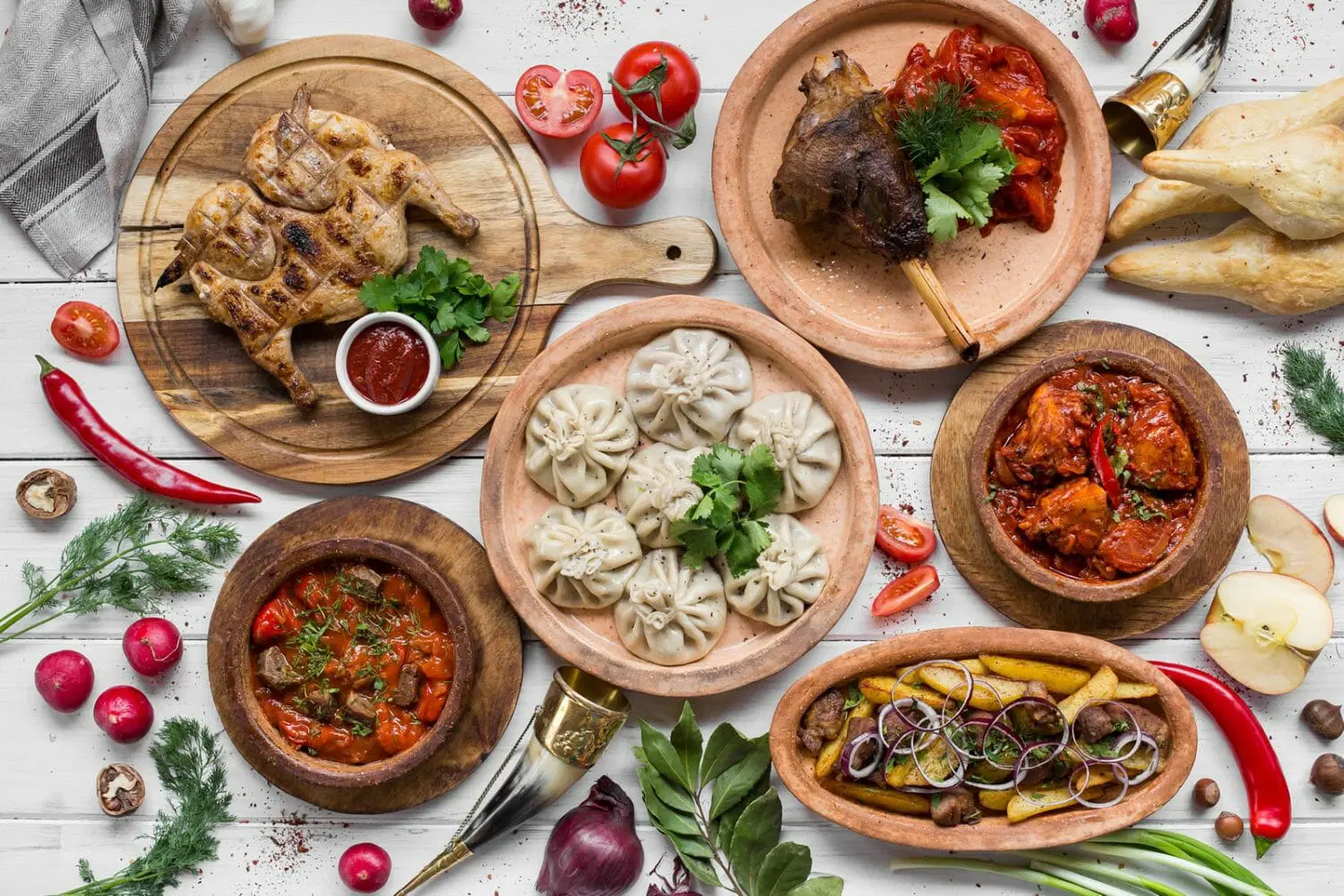
kickstand-project.org – In the heart of every country, there lies a treasure trove of culinary delights that are deeply intertwined with the land, culture, and history of its people. This is the essence of terroir, a French term that refers to the complete natural environment in which a particular plant is grown, including the specific mix of soil, topography, climate, and local vineyard practices. When it comes to food, terroir is not just about the land; it’s about the traditions, the stories, and the flavors that have been cultivated over generations. This article takes you on a journey to explore the rich tapestry of country food traditions, offering a taste of the terroir from around the globe.
The Roots of Terroir: Soil, Climate, and Tradition
Terroir is more than just a concept; it’s a way of life. It’s about understanding that the unique characteristics of a place—its soil, climate, and local traditions—play a crucial role in shaping the flavors of the food that is grown and prepared there. From the rich, volcanic soil of Sicily that produces the sweetest tomatoes to the cool, foggy mornings of Northern California that are perfect for growing crisp, acidic grapes, terroir is everywhere.
A World Tour of Country Food Traditions
Italy: The Art of Slow Food
In Italy, the concept of terroir is celebrated through the Slow Food movement, which emphasizes local, seasonal, and sustainable food. Each region boasts its own unique dishes, from the hearty risottos of Lombardy to the fresh seafood of the Amalfi Coast. Italian cuisine is a testament to the idea that food should be a reflection of the land and its people.
Japan: The Harmony of Flavors
Japan’s cuisine is a harmonious blend of flavors, textures, and colors that reflect the country’s deep connection to nature. From the delicate sushi of Tokyo to the hearty ramen of Hokkaido, Japanese food is a journey through the seasons, with each dish highlighting the best of what the land and sea have to offer.
India: A Spice Odyssey
India’s diverse culinary landscape is a reflection of its complex history and geography. From the fiery curries of the south to the rich, creamy dishes of the north, Indian cuisine is a celebration of spices, each region boasting its own unique blend. The terroir of India is as much about its spice-laden soil as it is about the cultural traditions that have shaped its food.
The Future of Terroir
As the world becomes more globalized, the importance of preserving local food traditions has never been greater. The future of terroir lies in the hands of small farmers, artisan producers, and chefs who are committed to keeping these traditions alive. By supporting local food systems and celebrating the diversity of global cuisines, we can ensure that the rich tapestry of country food traditions continues to thrive for generations to come.
Conclusion
Exploring country food traditions is not just about tasting the terroir; it’s about understanding the deep connection between food, land, and culture. Each dish tells a story, a story of the people, their history, and their relationship with the land. As we continue to navigate the complexities of our global food system, let us not forget the importance of these traditions and the rich flavors they bring to our tables.