Kenapa Zinc Wajib Ada di Diet Harian Anda

Setiap hari, tubuh Anda bekerja keras untuk melindungi diri dari berbagai ancaman, mulai dari virus hingga kerusakan sel. Untuk menjalankan tugas ini dengan optimal, tubuh membutuhkan asupan nutrisi penting, salah satunya zinc. Mineral esensial ini berperan dalam banyak fungsi biologis, dan tubuh Anda tidak dapat menyimpannya dalam jumlah besar. Karena itu, Anda harus memasukkan zinc ke dalam diet harian.

Zinc mendukung sistem kekebalan tubuh agar tetap kuat. Mineral ini membantu produksi sel darah putih, yaitu “tentara” utama tubuh yang melawan infeksi. Tanpa cukup zinc, respons imun Anda akan melambat, dan Anda menjadi lebih rentan terhadap penyakit.

Selain itu, zinc mempercepat penyembuhan luka. Setiap kali Anda terluka, tubuh membutuhkan zinc untuk slot bonanza memperbaiki jaringan yang rusak. Banyak studi menunjukkan bahwa orang dengan kadar zinc cukup mengalami proses penyembuhan yang lebih cepat dibandingkan mereka yang kekurangan.

Zinc juga berperan penting dalam menjaga kesehatan kulit, mata, dan indera perasa. Jika Anda pernah kehilangan kemampuan mengecap rasa saat sakit, bisa jadi itu pertanda kekurangan zinc. Begitu juga dengan masalah kulit seperti jerawat atau iritasi yang sulit sembuh.

Untuk memenuhi kebutuhan zinc harian, Anda bisa mengonsumsi makanan seperti daging merah, seafood (terutama tiram), kacang mete, buncis, dan produk olahan susu. Jika Anda seorang vegetarian atau vegan, Anda perlu memperhatikan asupan zinc dengan lebih cermat, karena sumber nabati memiliki bioavailabilitas zinc yang lebih rendah.

Memastikan asupan zinc yang cukup berarti Anda mendukung tubuh bekerja optimal setiap hari. Jangan tunggu sampai tubuh memberikan sinyal kekurangan. Mulailah hari ini dengan menambahkan sumber zinc ke dalam menu Anda, dan rasakan sendiri perbedaannya!

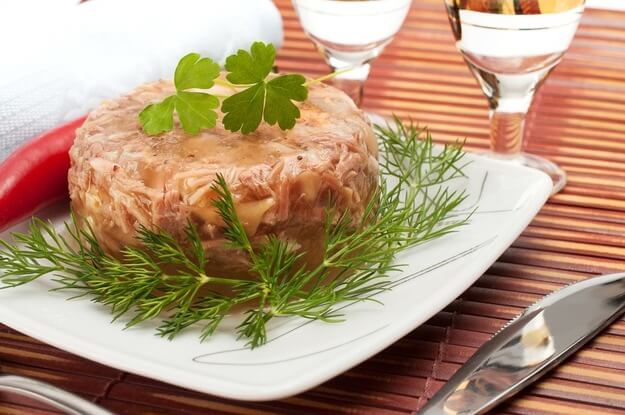
Kholodets: A Traditional Ukrainian Meat Jelly

kickstand-project.org – Kholodets is a classic Ukrainian dish that stands out for its unique preparation and presentation. It is a cold jelly made from meat broth, often with pieces of tender meat suspended in the jelly-like consistency. Traditionally served as an appetizer, kholodets is a comforting and hearty dish enjoyed in many Eastern European countries, particularly during festive occasions and family gatherings. The dish’s simplicity and rich flavor have made it a staple in Ukrainian cuisine for centuries, and it continues to be a beloved part of Ukrainian culinary tradition.

The Ingredients of Kholodets

Kholodets is made from a few basic ingredients, but its preparation requires time and care to ensure a perfectly set jelly. The main ingredients include:

  • Meat: Typically, kholodets is made using tougher cuts of meat that are rich in collagen, such as pork hocks, beef shank, or even chicken. These cuts are chosen because they release a natural gelatin during slow cooking, which helps the broth set into a firm jelly once cooled.
  • Broth: The meat is simmered for several hours in water, creating a flavorful, rich broth that is the base for the dish. The broth is seasoned with garlic, onions, and various herbs and spices such as peppercorns, bay leaves, and sometimes dill.
  • Vegetables: Though not always necessary, some recipes include vegetables such as carrots or celery to enhance the flavor of the broth. These vegetables are typically removed before the broth is poured into molds.
  • Gelatin: In some modern variations, additional gelatin may be used to ensure a firmer jelly, though traditional recipes rely on the natural gelatin found in the meat itself.
  • Garlic and Horseradish: Kholodets is often served with a side of minced garlic or horseradish, which adds a sharp, pungent contrast to the rich, savory flavor of the jelly.

The Preparation of Kholodets

Making kholodets is a slow, labor-intensive process, but the results are worth the effort. Here’s a step-by-step guide to preparing this unique and flavorful dish:

Step 1: Boil the Meat

  1. Prepare the Meat: Begin by washing the meat and placing it in a large pot. Common choices include pork hocks, beef shanks, or chicken, but any cut with lots of connective tissue and collagen works well for this dish.
  2. Simmer the Meat: Cover the meat with water and bring it to a boil. Once boiling, reduce the heat to a simmer, and cook the meat for several hours (typically 4-6 hours), ensuring that the broth becomes rich and flavorful. During this time, skim off any impurities or foam that rises to the surface.
  3. Add Vegetables and Seasoning: After a couple of hours of simmering, add onions, carrots, bay leaves, and peppercorns to the pot for additional flavor. Continue simmering until the meat is tender and easily falls apart.

Step 2: Strain and Cool the Broth

  1. Remove the Meat: Once the meat is cooked, remove it from the pot and set it aside to cool. Strain the broth through a fine sieve to remove any vegetable bits, bones, and other debris, leaving behind a clear and flavorful broth.
  2. Set the Broth: Allow the broth to cool. As it cools, it should naturally begin to thicken due to the gelatin from the meat. If the broth doesn’t thicken enough on its own, you can dissolve some additional gelatin in the broth to ensure it will set properly.

Step 3: Prepare the Meat for the Jelly

  1. Shred the Meat: Once the meat is cool enough to handle, remove the bones and skin (if necessary) and shred the meat into small pieces. The meat is then placed into a mold or dish, and it will form the solid chunks within the jelly.

Step 4: Assemble the Kholodets

  1. Pour the Broth: Pour the strained, gelatinous broth over the shredded meat, making sure the meat is fully covered with the liquid. Allow the broth to cool at room temperature, and then place it in the refrigerator for several hours, or overnight, to fully set.
  2. Serve: Once the kholodets has set into a firm, jelly-like consistency, it is ready to serve. The dish is typically cut into squares or slices and served cold.

Serving Kholodets

Kholodets is traditionally served as an appetizer, particularly during festive meals or family gatherings. It can be served with a variety of condiments and sides that balance its rich and savory flavor:

  • Garlic: A common accompaniment to kholodets is freshly minced garlic, which adds a sharp, pungent flavor that cuts through the richness of the meat jelly.
  • Horseradish: Some variations of kholodets include a side of horseradish, often grated or mixed with sour cream, for an additional kick.
  • Bread: Kholodets is often served with thick slices of rye or white bread, providing a sturdy base to enjoy the jelly and condiments.
  • Mustard: Some people enjoy a dollop of mustard as a tangy accompaniment to kholodets, especially when served as part of a larger spread of Ukrainian dishes.

Regional Variations of Kholodets

While kholodets is a beloved dish throughout Ukraine, different regions may have their own slight variations on the recipe:

  • Pork vs. Beef: Some areas of Ukraine prefer pork-based kholodets, while others use beef or a combination of meats. Pork hocks are particularly prized for their ability to produce a gelatinous broth.
  • Vegetarian Kholodets: In some regions, kholodets is made without meat, relying on vegetable broths and additional gelatin to create a vegetarian version of the dish. This variation is often prepared for special occasions or during Lent.
  • Additional Flavorings: Depending on the region, the broth may be flavored with other ingredients like dill, vinegar, or bay leaves, adding additional complexity to the flavor of the jelly.

Kholodets in Ukrainian Culture

Kholodets has a long history in Ukrainian cuisine and is often associated with traditional meals during special occasions, such as Christmas, Easter, and weddings. The dish is considered a festive and hearty appetizer, typically served at the start of a meal to stimulate the appetite.

In Ukrainian homes, kholodets is often made in large quantities to serve a crowd, especially during the holiday season. Its rich and savory flavors, combined with the cool, gelatinous texture, make it a unique and comforting dish that has become synonymous with warmth and hospitality.

While kholodets is often enjoyed during the colder months, it is a dish that can be enjoyed year-round. Its ability to be made in advance and served cold makes it an excellent option for family gatherings, holiday feasts, and even as a party appetizer.

Conclusion

Kholodets is a unique and flavorful dish that represents the heart of Ukrainian culinary tradition. With its rich, meaty broth set into a jelly-like consistency, kholodets offers a delicious and satisfying appetizer that has stood the test of time. Whether served with garlic, horseradish, or mustard, this dish brings a touch of warmth and comfort to any table. It continues to be cherished by generations of Ukrainians and remains an iconic part of the country’s gastronomic heritage.

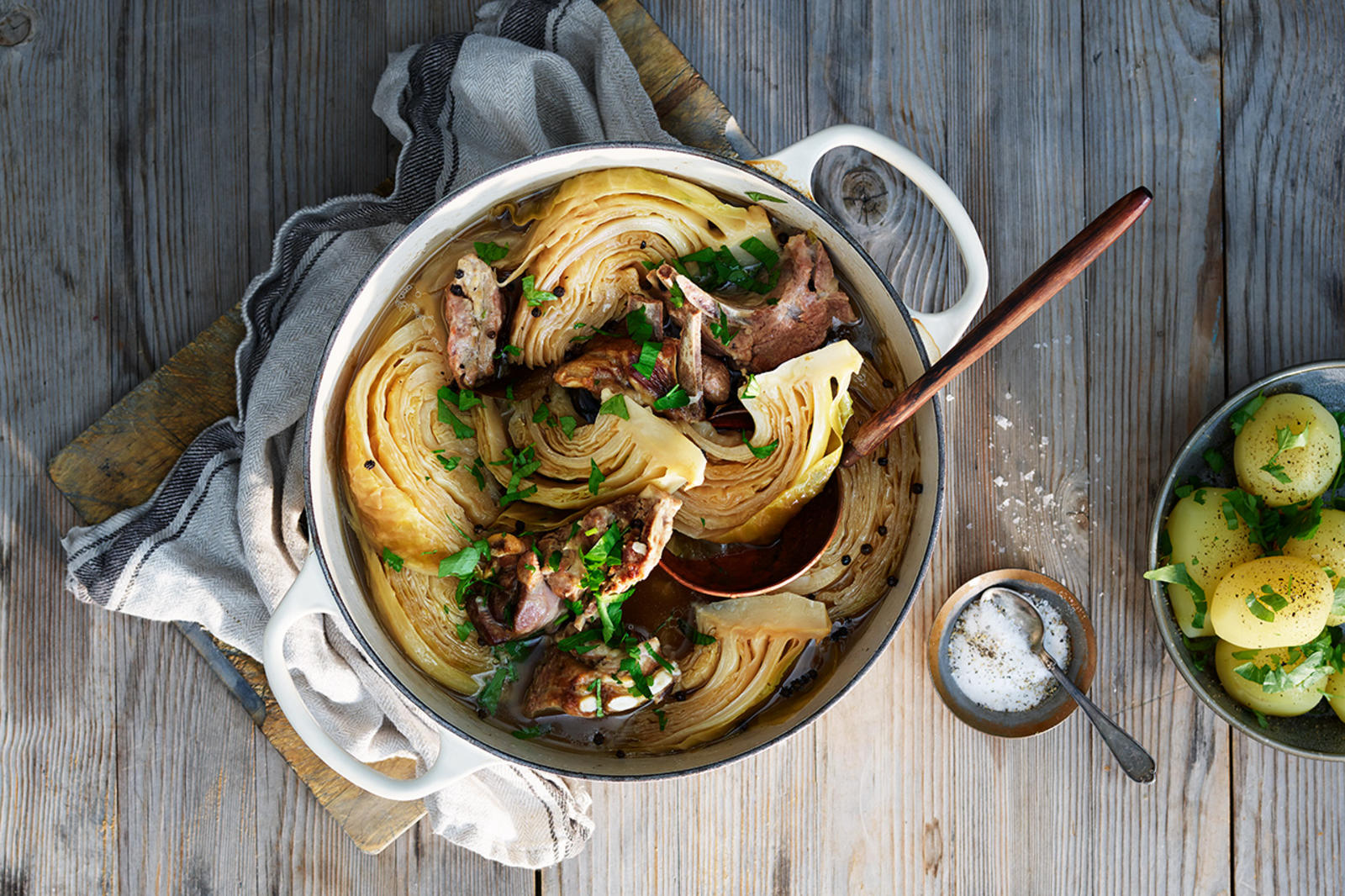
Fårikål: The Origins of Fårikål – A Norwegian Winter Warmer

kickstand-project.org – Fårikål is a traditional Norwegian dish, particularly popular in the western parts of the country. It’s a hearty stew made with lamb, cabbage, and potatoes, often served with a side of flatbread.

The Origins of Fårikål

The origins of fårikål are rooted in Norwegian culinary traditions, dating back centuries. It’s a simple yet satisfying dish that reflects the country’s agricultural heritage.

The Ingredients and Preparation

The key ingredients of fårikål are lamb, cabbage, and potatoes. The lamb is typically cut into smaller pieces, while the cabbage is often quartered. These ingredients are simmered together in a pot with water until the meat is tender and the vegetables are cooked through.

The Flavor Profile of Fårikål

Fårikål has a rich and comforting flavor. The lamb imparts a savory and slightly gamey taste, while the cabbage adds a sweetness and a touch of bitterness. The combination of these flavors, along with the earthy aroma of the stew, creates a truly satisfying dish.

How to Enjoy Fårikål

Fårikål is traditionally served with flatbread, which can be used to soak up the flavorful sauce. It’s a perfect winter dish that warms the body and soul.

The Cultural Significance of Fårikål

In Norway, fårikål is more than just a meal; it’s a cultural tradition. It’s often enjoyed on special occasions, such as national holidays or family gatherings. The dish symbolizes the country’s connection to its agricultural heritage and the simple pleasures of home cooking.

Conclusion

Fårikål is a hearty and delicious Norwegian stew that is perfect for a cold winter day. Its simple ingredients and straightforward preparation make it a popular choice for home cooks and restaurant chefs alike. Whether you’re a fan of traditional Nordic cuisine or simply looking for a comforting meal, fårikål is sure to satisfy.

Erbazzone: A Savory Pie of Emilia-Romagna

kickstand-project.org – Erbazzone, a hearty and flavorful savory pie, is a beloved dish hailing from the Emilia-Romagna region of Italy. This rustic pie is a testament to the region’s rich culinary heritage, showcasing the simplicity and deliciousness of traditional Italian cuisine.   

A Symphony of Flavors

At its core, Erbazzone is a humble pie, composed of simple yet flavorful ingredients. A buttery, flaky crust encases a savory filling of tender greens, typically a combination of spinach and chard. The filling is further enriched with aromatic onions, crispy pancetta, and grated Parmesan cheese. The result is a dish that is both comforting and satisfying.   

A Culinary Tradition

Erbazzone has deep roots in Emilia-Romagna’s culinary history, dating back centuries. It was often prepared by peasant families as a way to utilize seasonal ingredients and stretch meals. The pie’s simplicity and affordability made it a popular choice for both everyday meals and special occasions.   

A Modern Twist

While the traditional recipe for Erbazzone remains unchanged, modern chefs have put their own spin on this classic dish. Some variations may include the addition of other vegetables, such as leeks or zucchini, or different types of cheese. However, the heart of the dish—the combination of savory greens, rich cheese, and buttery crust—remains the same.  

A Perfect Pairing

Erbazzone pairs well with a variety of wines, depending on your personal preference. A light, crisp white wine, such as a Pinot Grigio or a Soave, can complement the savory flavors of the pie. For a bolder flavor profile, a red wine, such as a Lambrusco or a Sangiovese, can be a great choice.

Whether you’re a seasoned home cook or a novice in the kitchen, Erbazzone is a dish that is relatively easy to prepare and always impressive to serve. Its rustic charm and delicious flavor make it a true culinary delight.

Petulia: A Psychedelic Exploration of Love and Loneliness

kickstand-project.org Petulia is a 1968 American psychological drama film directed by Richard Lester. Known for its experimental style, unconventional narrative structure, and psychedelic atmosphere, the film explores themes of love, loneliness, and the search for meaning in a rapidly changing world.

A Love Story for the Age of Aquarius

The film follows the tumultuous relationship between Petulia Danner, a free-spirited and unconventional woman, and Dr. Archie Bollen, a disillusioned and emotionally distant psychiatrist. Their love affair unfolds against the backdrop of 1960s San Francisco, a city undergoing significant social and cultural change.

Petulia is a groundbreaking film that challenges traditional narrative conventions. The film’s fragmented structure, non-linear storytelling, and dreamlike sequences reflect the chaotic and fragmented nature of modern life. The film’s use of psychedelic imagery and experimental editing techniques further enhance its psychedelic and surreal atmosphere.

A Cast of Unconventional Characters

The film features strong performances by Dustin Hoffman as Dr. Bollen and Julie Christie as Petulia Danner. Hoffman’s portrayal of a man struggling to connect with others is both poignant and humorous. Christie’s performance is captivating, capturing the character’s wild and unpredictable nature.

Petulia is a visually striking film, with its vibrant colors, bold compositions, and innovative use of camera techniques. The film’s soundtrack, featuring songs by The Beatles and other popular artists, adds to its psychedelic and countercultural vibe.

A Timeless Exploration of Love and Loneliness

Despite its unconventional style and experimental nature, Petulia remains a powerful and thought-provoking film. Its exploration of love, loss, and the human condition continues to resonate with audiences today. The film’s critique of materialism, conformity, and the emptiness of modern life is as relevant as ever.

Petulia is a bold and daring film that challenges traditional notions of storytelling. Its experimental approach and innovative use of cinematic techniques make it a groundbreaking work that continues to inspire filmmakers and audiences alike.

A World of Fish: A Culinary and Nutritional Marvel

kickstand-project.org – Fish, a diverse group of aquatic vertebrates, have been a staple food source for humans for millennia. They inhabit a vast range of aquatic environments, from the icy waters of the Arctic to the tropical coral reefs. Fish come in all shapes and sizes, with a wide variety of colors, textures, and flavors.

A Nutritional Powerhouse

Fish is renowned for its numerous health benefits. It is an excellent source of:

  • Omega-3 Fatty Acids: These essential fats contribute to heart health, brain function, and reduced inflammation.
  • Protein: Fish is a lean protein source, important for muscle growth and repair.
  • Vitamins and Minerals: Fish is rich in vitamins like B12 and D, as well as minerals like selenium and iodine.

Types of Fish

Fish can be broadly categorized into two types:

  1. Fatty Fish:
    • High in omega-3 fatty acids
    • Examples: Salmon, mackerel, herring, tuna
  2. Lean Fish:
    • Lower in fat content
    • Examples: Cod, halibut, tilapia, sole

Cooking Fish

There are numerous ways to cook fish, each bringing out its unique flavor and texture:

  • Grilling: A popular method that imparts a smoky flavor.
  • Baking: A simple and healthy way to cook fish.
  • Broiling: A quick cooking method that yields a crispy exterior.
  • Poaching: A gentle method that preserves the delicate flavor of the fish.
  • Frying: A crispy and flavorful way to cook fish, but can be higher in calories.
  • Steaming: A healthy method that retains the nutrients of the fish.

Pairing Fish with Flavors

Fish pairs well with a variety of flavors. Here are some popular flavor combinations:

  • Herbs and Spices: Dill, lemon, garlic, and black pepper are classic pairings.
  • Sauces: Lemon-butter sauce, soy sauce glaze, or a creamy dill sauce can elevate the flavor of fish.
  • Vegetables: Roasted vegetables like asparagus, broccoli, and Brussels sprouts complement the rich flavor of fish.
  • Side Dishes: Rice, quinoa, or potatoes are popular side dishes for fish.

By incorporating fish into your diet, you can enjoy a delicious and nutritious meal. Whether you prefer grilled salmon, baked cod, or a crispy fish and chips, there’s a fish dish to suit every palate.

Maple Syrup: A Sweet Taste of Canada

kickstand-project.org – Maple syrup, a natural sweetener produced from the sap of maple trees, is a beloved Canadian product. It’s prized for its rich flavor and versatility, and it’s used in a wide range of culinary applications.

The Maple Tapping Process

To produce maple syrup, maple trees are tapped in the early spring. A small hole is drilled into the tree, and a spout is inserted to collect the sap. The sap is then boiled to remove excess water, concentrating the sugars and transforming it into syrup.

A Spectrum of Flavors

Maple syrup comes in various grades, each with its own unique flavor profile. The color and flavor of maple syrup can range from light and delicate to dark and robust. Lighter grades are often used for pancakes and waffles, while darker grades are ideal for baking and adding depth to savory dishes.

A Culinary Treasure

Maple syrup is a versatile ingredient that can be used in both sweet and savory dishes. It’s commonly used as a topping for pancakes, waffles, and ice cream. It can also be added to coffee, tea, or yogurt for a touch of sweetness. In savory dishes, maple syrup can be used to glaze meats, add depth to sauces, or balance the flavors in vinaigrettes.

A Canadian Icon

Maple syrup is deeply rooted in Canadian culture and history. It’s a symbol of the country’s natural beauty and agricultural heritage. Maple syrup festivals are held throughout Canada, celebrating the tradition of maple sugaring and showcasing the diverse ways in which maple syrup can be enjoyed.

A Sustainable Sweetener

Maple syrup production is an environmentally friendly practice. It involves tapping trees, a process that doesn’t harm the trees. Additionally, maple syrup is a natural product with no artificial additives or preservatives.

The Aussie Hamburger with Beetroot: A Unique Twist on a Classic

kickstand-project.org – The hamburger, a quintessential fast-food staple, has been reimagined and adapted in countless ways around the world. In Australia, one of the most distinctive versions includes the addition of beetroot, giving the classic burger a unique twist that sets it apart.

Origins of the Aussie Burger with Beetroot

The inclusion of beetroot in burgers is a quintessentially Australian touch that dates back to the mid-20th century. It became popular as a way to add a burst of color, flavor, and texture to the standard hamburger. This adaptation quickly became a defining feature of Australian cuisine, often surprising and delighting visitors with its unexpected yet delicious addition.

The Anatomy of an Aussie Hamburger

An authentic Aussie hamburger with beetroot starts with a juicy beef patty, cooked to perfection. It’s typically accompanied by classic toppings such as lettuce, tomato, onion, and cheese, all nestled within a fresh bun. What sets it apart, however, is the slice of vibrant beetroot, sometimes accompanied by a fried egg or pineapple for even more flavor complexity. The beetroot adds a sweet and earthy note, complementing the savory elements of the burger.

Cultural Significance and Popularity

In Australia, hamburgers with beetroot are more than just a meal—they are a cultural icon. They are widely available at local pubs, cafes, and fast-food outlets, and are a popular choice for backyard barbecues. Many Australians consider a burger incomplete without the signature beetroot slice, making it a beloved national variation that reflects the country’s love for fresh, bold flavors.

Conclusion

The Aussie hamburger with beetroot is a testament to the creativity and adaptability of classic dishes. By incorporating local ingredients and preferences, Australians have crafted a burger experience that is both familiar and refreshingly unique. Whether you’re a local or a visitor, trying this distinct version of a hamburger is a must, offering a taste of Australia’s culinary innovation.

Chicken Kyiv: A Classic Dish of Elegance and Flavor

kickstand-project.org – Chicken Kyiv is a renowned dish that exemplifies the art of stuffed poultry. Originating from Eastern Europe, this delightful creation features a chicken breast filled with a rich mixture of butter and herbs, delivering a burst of flavor with every bite. Known for its crispy exterior and juicy interior, Chicken Kyiv has become a beloved classic on tables around the world.

The Origins of Chicken Kyiv

The exact origins of Chicken Kyiv are somewhat debated, with both French and Ukrainian culinary traditions claiming its creation. Despite this, it gained widespread popularity in the mid-20th century, particularly in the Soviet Union, and continues to be a symbol of sophisticated dining. Its name is derived from Kyiv, the capital of Ukraine, linking the dish to Ukrainian culinary heritage.

Crafting the Perfect Chicken Kyiv

Creating Chicken Kyiv requires attention to detail and a few essential steps. The process begins with a chicken breast that is carefully pounded thin to ensure even cooking. A flavorful filling of chilled butter mixed with fresh herbs, such as parsley, dill, or chives, is then placed in the center. The chicken is rolled tightly around the filling, ensuring it is completely enclosed to prevent leakage during cooking.

Achieving the Signature Crunch

The prepared chicken is then coated in breadcrumbs, often after a light dusting of flour and a dip in beaten eggs to ensure the breadcrumbs adhere properly. This outer layer is crucial for achieving the dish’s signature golden, crispy crust. The chicken is typically pan-fried and then finished in the oven, ensuring the meat is cooked through while the butter inside melts to create a luscious sauce.

Serving and Enjoying Chicken Kyiv

Chicken Kyiv is best served hot, allowing the melted herb butter to flow as the chicken is cut, enriching each bite. It is often accompanied by side dishes such as mashed potatoes, steamed vegetables, or a simple green salad, which complement the rich flavors of the chicken. Garnishing with fresh herbs or a slice of lemon adds a touch of brightness to the dish.

A Dish of Celebration

Beyond its delicious taste, Chicken Kyiv is often associated with celebratory meals and special occasions. Its elegant presentation and rich flavors make it a favorite choice for dinner parties and festive gatherings. The dish’s preparation and presentation reflect a blend of culinary skill and creativity, making it a true masterpiece of gastronomy.

In summary, Chicken Kyiv is more than just a stuffed chicken dish; it is a culinary classic that embodies the essence of flavorful, sophisticated cooking. With its crispy crust and buttery, herb-filled center, it offers a delightful dining experience that continues to captivate food lovers around the globe.

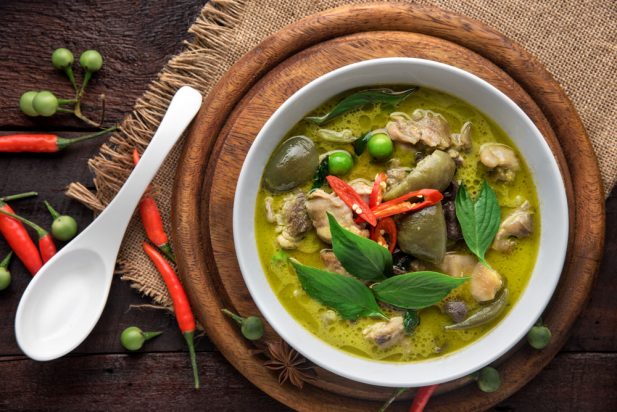
Green Chicken Curry: A Journey Through Gaeng Keow Wan Kai

kickstand-project.org – Gaeng Keow Wan Kai, commonly known as Green Chicken Curry, is a quintessential Thai dish that embodies the vibrant and aromatic flavors of Thai cuisine. Known for its rich, creamy texture and a symphony of spices, this curry is a beloved staple on Thai menus worldwide. In this article, we’ll explore the history, ingredients, and preparation of Gaeng Keow Wan Kai, as well as its cultural significance.

The Origins of Green Chicken Curry

Green Chicken Curry has its roots in central Thailand, where it has been a beloved dish for generations. The curry gets its distinctive green color from green chilies and fresh herbs, creating a flavor profile that is both spicy and aromatic. Traditionally, it was prepared using local ingredients and fresh coconut milk, which remains a key component today.

Key Ingredients

The magic of Gaeng Keow Wan Kai lies in its harmonious blend of ingredients, each playing a crucial role in the overall flavor:

  1. Chicken: Tender pieces of chicken are the main protein in this dish, absorbing the curry’s rich flavors.
  2. Green Curry Paste: Made from a blend of green chilies, garlic, shallots, lemongrass, kaffir lime leaves, and other herbs, this paste is the heart of the dish.
  3. Coconut Milk: Adds creaminess and balances the heat of the chilies with its rich, sweet flavor.
  4. Thai Eggplant: Small, round eggplants are traditional, adding a unique texture and mild bitterness.
  5. Bamboo Shoots: Provide a crunchy contrast to the smooth curry.
  6. Kaffir Lime Leaves: Impart a citrusy aroma and flavor.
  7. Thai Basil: Adds freshness and a subtle anise-like flavor.
  8. Fish Sauce: Enhances the umami and salty notes.
  9. Palm Sugar: Offers a hint of sweetness to balance the spice.

Preparing Gaeng Keow Wan Kai

Creating Green Chicken Curry at home is a delightful experience that allows you to tailor the flavors to your liking. Here’s a simplified version to try:

  1. Prepare the Ingredients: Slice the chicken, eggplants, and bamboo shoots. Gather your curry paste and other ingredients.
  2. Cook the Curry Paste: In a hot pan, add a little oil and the green curry paste. Stir-fry until fragrant.
  3. Add Coconut Milk: Gradually add coconut milk, stirring to blend it with the curry paste.
  4. Cook the Chicken: Add the chicken pieces to the curry and simmer until they are cooked through.
  5. Incorporate Vegetables: Add the eggplants and bamboo shoots, cooking until they are tender.
  6. Finish with Herbs: Stir in the kaffir lime leaves and Thai basil. Adjust the seasoning with fish sauce and palm sugar to taste.
  7. Serve: Enjoy your Green Chicken Curry with steamed jasmine rice or rice noodles.

Cultural Significance

Gaeng Keow Wan Kai is more than just a meal; it is a reflection of Thai culture and hospitality. Often served at family gatherings and celebrations, it represents the importance of flavor and balance in Thai cuisine. The dish’s complexity and depth of flavor are a testament to the skill and creativity of Thai cooks.

Conclusion

Gaeng Keow Wan Kai, with its bold flavors and creamy texture, is a perfect introduction to the world of Thai curries. Its vibrant color and fragrant aroma make it a feast for the senses. Whether you’re a fan of spicy food or new to Thai cuisine, Green Chicken Curry offers a delightful culinary journey that captures the essence of Thailand’s rich culinary heritage.

Cornbread: A Traditional Staple of Southern Cuisine

kickstand-project.org – Cornbread, a quintessential side dish in Southern cuisine, is celebrated for its rustic charm and comforting taste. With its golden color and slightly crumbly texture, cornbread has become a beloved accompaniment to a variety of dishes, from hearty stews to barbecued meats.

Historical Roots

The origins of cornbread can be traced back to Native American communities, who used ground corn, or maize, as a primary ingredient in their cooking. European settlers in the Southern United States adopted these corn-based recipes, creating a variety of dishes that incorporated locally available ingredients. Cornbread quickly became a staple, valued for its simplicity and versatility.

The Art of Making Cornbread

Creating the perfect cornbread involves a few key ingredients: cornmeal, flour, eggs, milk or buttermilk, and a leavening agent like baking powder. The balance of these ingredients can vary, leading to different textures and flavors. Some prefer a sweeter version with added sugar or honey, while others opt for a more savory taste, occasionally incorporating ingredients like cheese or jalapeños.

Cooking Techniques

Cornbread can be baked in a variety of ways, each imparting its own unique characteristics. Traditional recipes often call for baking in a cast-iron skillet, which helps achieve a crispy, golden crust. Muffin tins or baking pans can also be used, offering different serving options. Regardless of the method, the goal is to achieve a moist interior with a slightly crunchy exterior.

Cultural Significance

In the Southern United States, cornbread is more than just a side dish; it is a cultural icon. It frequently accompanies meals during family gatherings, holidays, and community events. Cornbread has also found its place in soul food cuisine, often served alongside collard greens, fried chicken, and black-eyed peas, reflecting the rich culinary traditions of the region.

Regional Variations

While cornbread is a Southern staple, its preparation can vary significantly across different regions. In the Appalachian Mountains, cornbread might include stone-ground cornmeal for a coarser texture. In Texas, cornbread is often spiced with chili peppers for an added kick. These regional adaptations showcase the versatility of cornbread and its ability to evolve with local tastes and ingredients.

Conclusion

Cornbread’s enduring popularity is a testament to its comforting taste and cultural significance. Whether served as a humble side dish or as part of a larger feast, cornbread continues to bring people together, celebrating the flavors and traditions of the American South. Its simple ingredients and satisfying taste make it a timeless classic in Southern cuisine.

Menemen: A Flavorful Turkish Breakfast Delight

kickstand-project.org – Menemen is a classic Turkish breakfast dish that combines the simplicity of scrambled eggs with the vibrant flavors of fresh tomatoes, green peppers, and a blend of spices. Known for its rich taste and ease of preparation, Menemen has become a beloved morning staple in Turkish households and a favorite for those seeking a delicious start to their day.

Origins and Cultural Significance

The origins of Menemen can be traced back to the town of Menemen in the Izmir province of Turkey, where it is believed to have first gained popularity. Over the years, it has become an integral part of Turkish culinary culture, often enjoyed as a hearty breakfast or brunch option. The dish embodies the essence of Turkish home cooking, offering a comforting and nutritious meal that is both satisfying and energizing.

Ingredients and Preparation

The base ingredients of Menemen are simple yet flavorful: eggs, tomatoes, and green peppers. The dish often begins with sautéing chopped onions and green peppers in olive oil until they are soft and fragrant. Fresh tomatoes are then added to the pan, along with a pinch of salt and pepper. Once the tomatoes have softened and released their juices, beaten eggs are poured into the mixture. The eggs are gently stirred until they reach the desired consistency, creating a creamy, flavorful scramble.

Serving and Enjoying Menemen

Menemen is typically served hot, directly from the pan, and is often accompanied by crusty bread or simit (a type of Turkish sesame-covered bread). It is common to add a sprinkle of crumbled feta cheese or a dash of red pepper flakes for an extra layer of flavor. The dish is enjoyed as a communal meal, with friends and family gathering around the table to share in its delightful taste.

Variations and Personal Touches

While the traditional recipe remains a favorite, there are countless variations of Menemen to suit individual tastes. Some versions include additional ingredients such as garlic, sausage (sucuk), or even spinach. These variations allow for personalization and creativity, making Menemen a versatile dish that can be adapted to different preferences.

Menemen Beyond Turkey

Menemen’s appeal has extended beyond Turkey, with food enthusiasts around the world embracing its delightful combination of flavors. Its popularity has grown in international brunch menus, offering a taste of Turkish cuisine to a global audience.

Conclusion

Menemen is more than just a breakfast dish; it is a celebration of fresh ingredients and traditional cooking methods. Its vibrant colors and rich flavors make it a delightful addition to any meal, capturing the essence of Turkish hospitality and culinary tradition. Whether enjoyed in its classic form or with a modern twist, Menemen is sure to bring warmth and satisfaction to any breakfast table.

Makanan Sehat dan Dampaknya Terhadap Kesehatan Mental Anda

Selain memengaruhi kondisi fisik, pola makan yang sehat juga berperan penting dalam kesehatan mental. Berbagai penelitian menunjukkan bahwa nutrisi yang tepat dapat membantu mengurangi risiko gangguan mental, seperti stres, depresi, dan kecemasan, sekaligus meningkatkan suasana hati dan fungsi kognitif login trisula88. Berikut penjelasan lebih lanjut tentang jenis-jenis makanan sehat dan dampaknya terhadap kesehatan mental.

  1. Asam Lemak Omega-3 untuk Kesehatan Otak
    Omega-3, yang banyak ditemukan dalam ikan berlemak seperti salmon, sarden, dan tuna, penting untuk menjaga fungsi otak. Asam lemak ini membantu mengurangi peradangan di otak dan meningkatkan neurotransmitter, seperti serotonin dan dopamin, yang terkait dengan suasana hati positif.

    • Contoh Makanan: Ikan salmon, kenari, chia seed, dan minyak biji rami.
    • Dampak: Mengurangi risiko depresi dan meningkatkan fokus serta daya ingat.
  2. Karbohidrat Kompleks untuk Stabilitas Emosi
    Karbohidrat kompleks, seperti yang ada dalam gandum utuh dan sayuran, membantu meningkatkan kadar serotonin di otak, neurotransmitter yang mempengaruhi suasana hati. Serotonin yang seimbang dapat mengurangi kecemasan dan meningkatkan perasaan tenang.

    • Contoh Makanan: Oatmeal, quinoa, dan ubi.
    • Dampak: Menstabilkan suasana hati dan mengurangi risiko gangguan kecemasan.
  3. Vitamin dan Mineral dari Sayuran dan Buah-buahan
    Vitamin seperti B6, B12, dan folat sangat penting untuk fungsi otak dan regulasi hormon. Kekurangan vitamin B sering dikaitkan dengan masalah mental, seperti mudah lelah dan suasana hati buruk. Selain itu, buah-buahan dan sayuran mengandung antioksidan yang melawan stres oksidatif.

    • Contoh Makanan: Pisang, alpukat, bayam, dan brokoli.
    • Dampak: Meningkatkan energi, suasana hati, dan mengurangi risiko depresi.
  4. Probiotik untuk Kesehatan Usus dan Mental
    Kesehatan usus yang baik berkaitan erat dengan kesehatan mental, karena usus dan otak saling berkomunikasi melalui apa yang disebut sebagai gut-brain axis. Makanan kaya probiotik, seperti yogurt dan kimchi, dapat meningkatkan mikrobiota usus, yang berperan dalam mengatur emosi.

    • Contoh Makanan: Yogurt, kefir, kimchi, dan kombucha.
    • Dampak: Mengurangi gejala kecemasan dan depresi.
  5. Protein untuk Keseimbangan Neurotransmitter
    Protein menyediakan asam amino esensial yang digunakan tubuh untuk memproduksi neurotransmitter. Triptofan, misalnya, adalah asam amino yang berperan dalam sintesis serotonin. Konsumsi protein yang cukup dapat menjaga suasana hati tetap stabil dan pikiran lebih fokus.

    • Contoh Makanan: Telur, ayam, tahu, dan kacang-kacangan.
    • Dampak: Meningkatkan konsentrasi dan menjaga suasana hati tetap positif.
  6. Air untuk Menghindari Dehidrasi Otak
    Dehidrasi bisa berdampak negatif pada suasana hati dan kemampuan kognitif. Minum air yang cukup setiap hari membantu fungsi otak tetap optimal dan menjaga konsentrasi.

    • Dampak: Mengurangi rasa lelah, kebingungan, dan suasana hati buruk.
  7. Batasi Makanan Olahan dan Gula Berlebih
    Makanan olahan yang tinggi gula dan lemak trans dapat menyebabkan lonjakan energi sesaat, tetapi diikuti dengan penurunan tajam, yang berdampak buruk pada suasana hati dan energi. Konsumsi berlebihan makanan seperti ini sering dikaitkan dengan peningkatan risiko depresi dan kecemasan.

    • Contoh Makanan yang Harus Dibatasi: Minuman bersoda, makanan cepat saji, dan camilan manis.
    • Dampak: Mengurangi kejadian suasana hati buruk dan kelelahan mental.

Kesimpulan

Makanan sehat tidak hanya penting bagi kesehatan fisik tetapi juga memiliki dampak signifikan pada kesehatan mental. Pola makan seimbang yang kaya akan omega-3, vitamin, probiotik, dan protein dapat membantu meningkatkan suasana hati, mengurangi kecemasan, dan meningkatkan kemampuan kognitif. Dengan mengadopsi pola makan yang tepat, Anda tidak hanya menjaga tubuh tetap bugar, tetapi juga mendukung pikiran tetap sehat dan produktif setiap hari.

Aristocratic Appetites: The Finer Things

kickstand-project.org – For centuries, the aristocracy has been associated with a lifestyle of elegance, sophistication, and indulgence. Central to this lifestyle is the appreciation for fine dining and exquisite cuisine. From lavish banquets to intimate dinners, the culinary preferences of the aristocracy have left an indelible mark on global gastronomy. In this article, we delve into the world of aristocratic appetites, exploring the ingredients, dishes, and dining customs that define the finer things in life.

The Essence of Elegance

Aristocratic dining is characterized by its emphasis on quality, refinement, and attention to detail. Unlike the abundance of royal feasts, aristocratic meals focus on the nuances of flavor and presentation, often featuring a curated selection of courses that highlight the finest ingredients available.

The Role of the Chef

In aristocratic households, the chef held a position of great importance. Tasked with creating exceptional dining experiences, these culinary masters were often trained in the art of French cuisine, which has long been considered the pinnacle of culinary excellence. Techniques such as sous-vide, flambé, and confit were commonly employed to elevate dishes to new heights.

Signature Aristocratic Dishes

Foie Gras

A quintessential element of aristocratic dining, foie gras is a delicacy made from the liver of a specially fattened duck or goose. Its rich, buttery flavor and smooth texture make it a luxurious addition to any meal, often served as a starter with a touch of fruit compote or a delicate sauce.

Lobster Thermidor

This classic dish, created in the late 19th century, epitomizes the opulence of aristocratic cuisine. Lobster Thermidor features tender lobster meat cooked with a creamy mustard sauce, often topped with cheese and broiled to perfection. It’s a dish that continues to impress with its rich flavors and elegant presentation.

Truffle Pasta

Truffles, known as the “diamonds of the kitchen,” have long been prized for their earthy aroma and distinctive taste. In aristocratic circles, truffle pasta is a cherished dish, pairing the delicate flavors of fresh pasta with the luxurious essence of truffles, often accompanied by a sprinkle of Parmesan cheese.

The Art of Entertaining

Aristocratic dining is not only about the food but also the experience. Attention to detail extends to the table setting, with fine china, crystal glassware, and polished silverware setting the stage for a memorable dining experience. Guests were often treated to a carefully curated selection of wines and spirits, chosen to complement each course and enhance the overall enjoyment of the meal.

Modern Influence

Today, the influence of aristocratic dining is evident in fine dining restaurants around the world. Chefs continue to draw inspiration from the classic techniques and dishes of the past, incorporating modern elements to create innovative yet timeless culinary experiences. The emphasis on quality ingredients, meticulous preparation, and elegant presentation remains a hallmark of haute cuisine.

Conclusion

Aristocratic appetites have played a pivotal role in shaping the world of fine dining. The pursuit of the finer things in life, from exquisite ingredients to sophisticated dining customs, reflects a deep appreciation for the art of gastronomy. Whether enjoyed in a historic chateau or a contemporary restaurant, the legacy of aristocratic cuisine continues to captivate and inspire those who seek the ultimate culinary experience.

Revolutionizing the Way We Dine Together: The Supper Squad

kickstand-project.org – In the ever-evolving landscape of social dining, a new trend has emerged that is bringing people together in a unique and intimate way: the Supper Squad. This movement is all about creating a communal dining experience that goes beyond the traditional restaurant setting, fostering a sense of community and connection among strangers and friends alike.

The Concept of Supper Squad

The Supper Squad concept is simple yet profound. It involves a group of individuals coming together to share a meal in a home setting or a private space, with each member contributing something to the table. This could be a dish they’ve prepared, a bottle of wine, or even just their good company and conversation. The idea is to create an atmosphere that is warm, welcoming, and free from the formalities of traditional dining out.

The Appeal of Supper Squad

One of the main appeals of the Supper Squad is its ability to break down barriers and facilitate genuine connections. In a world where social interactions are increasingly mediated by screens, the opportunity to engage in face-to-face conversation over a meal is refreshing and rejuvenating. The shared responsibility of contributing to the meal also creates a sense of collaboration and mutual respect among participants.

The Social Impact

The Supper Squad movement has significant social implications. It can serve as a platform for cultural exchange, with participants bringing dishes that reflect their heritage or culinary interests. This not only broadens the palate of those involved but also fosters a deeper understanding and appreciation of diverse cultures. Additionally, Supper Squads can play a role in supporting local food systems by encouraging the use of fresh, locally-sourced ingredients.

The Economic Aspect

From an economic standpoint, Supper Squads offer a more affordable alternative to dining out. By pooling resources and sharing the responsibility of meal preparation, participants can enjoy a high-quality dining experience without the high price tag. This makes it an attractive option for those looking to socialize on a budget.

The Environmental Consideration

The environmental impact of Supper Squads is also noteworthy. By dining in a home setting, the carbon footprint associated with restaurant operations, such as energy use and waste production, is significantly reduced. Additionally, the emphasis on local and seasonal ingredients supports sustainable food practices.

The Future of Supper Squads

As the Supper Squad movement continues to grow, we can expect to see a variety of iterations and adaptations. Some may focus on specific themes, such as vegan or farm-to-table dining, while others may serve as platforms for social activism or community building. Whatever form they take, Supper Squads are likely to remain a vibrant and dynamic force in the world of social dining.

In conclusion, the Supper Squad is more than just a trend; it’s a reflection of our innate desire for connection, community, and shared experiences. By bringing people together over a meal, Supper Squads are revolutionizing the way we dine and, in the process, enriching our social lives in profound ways.

A Comprehensive Review: The Antioxidant Potential of Wild Fruits

kickstand-project.org – Wild fruits are increasingly recognized for their significant health benefits, particularly their antioxidant properties. These natural sources of antioxidants are not only beneficial for human health but also have potential applications in various industries such as food, pharmaceutical, and cosmetics. This article explores the antioxidant potential of wild fruits, highlighting their bioactive compounds and health benefits.

Bioactive Compounds in Wild Fruits

Wild fruits are rich in various bioactive compounds, including polyphenols, alkaloids, and tannins, which are known for their antioxidant activities. These compounds help in neutralizing free radicals, thus preventing oxidative stress and reducing the risk of chronic diseases such as cancer and cardiovascular diseases.

  1. Polyphenols: Polyphenols are a major class of antioxidants found in wild fruits. They include flavonoids, phenolic acids, and tannins, which contribute to the overall antioxidant capacity of these fruits.
  2. Alkaloids and Tannins: Alkaloids and tannins are other important bioactive compounds found in wild fruits. They have been shown to have potent antioxidant and anti-inflammatory properties.

Health Benefits of Wild Fruits

The antioxidant properties of wild fruits make them valuable in various health applications. They can be used as natural antioxidant additives in food and pharmaceutical products to replace synthetic additives, which are often associated with adverse health effects. Additionally, wild fruits can serve as nutritional supplements, enhancing the overall antioxidant status of the body and reducing the risk of chronic diseases.

  1. Antioxidant Additives: Wild fruits like R. canina have been identified as potential natural antioxidant additives, suitable for use in food and pharmaceutical products.
  2. Nutritional Supplements: The high antioxidant content of wild fruits makes them excellent nutritional supplements, providing a natural source of antioxidants that can help in preventing oxidative stress and its associated health issues.

Evaluation of Antioxidant Activity

Several studies have evaluated the antioxidant activity of wild fruits using various methods such as DPPH (2,2-diphenyl-1-picrylhydrazyl) and FRAP (Ferric Reducing Antioxidant Power) assays. These studies have shown that wild fruits have significant antioxidant capacities, with some fruits exhibiting higher antioxidant activities than others.

  1. DPPH and FRAP Assays: The DPPH and FRAP assays are commonly used to measure the antioxidant activity of wild fruits. Results from these assays indicate that wild fruits have a range of antioxidant activities, with some fruits showing particularly high antioxidant potential.

Conclusion

Wild fruits are a valuable source of natural antioxidants, offering significant health benefits and potential applications in various industries. Their high antioxidant content makes them excellent nutritional supplements and natural antioxidant additives. Further research is needed to fully understand the bioactive compounds and health benefits of wild fruits, which could lead to their wider use in health and wellness products.

The Magic of Raclette and Fondue: Melting Moments

kickstand-project.org – Nestled within the heart of Swiss cuisine, two culinary delights stand out for their warmth, comfort, and the sheer joy of communal eating: Raclette and Fondue. Both dishes are a celebration of cheese, but they offer distinct experiences that have captured the hearts of food lovers worldwide. Whether you’re a cheese aficionado or simply looking for a cozy meal to share with friends, Raclette and Fondue promise an unforgettable journey through the flavors of Switzerland.

The Art of Raclette

Raclette is a dish that embodies simplicity and elegance. Originating from the French-speaking part of Switzerland, it involves melting the cheese (traditionally Raclette cheese) and scraping it onto boiled potatoes, pickles, and other accompaniments. The magic of Raclette lies in its preparation; the cheese is heated in front of a fire or under a grill until it’s perfectly melted and bubbling, then expertly scraped onto the waiting plate. This communal dining experience is not just about the food; it’s about the gathering, the laughter, and the shared moments of joy.

Fondue: A Dip into Tradition

Fondue, on the other hand, is a communal dish that brings people together around a pot of melted cheese. Originating from the French-speaking part of Switzerland, Fondue involves dipping bread, vegetables, or even pieces of meat into a communal pot of melted cheese. The key to a successful Fondue lies in the choice of cheese and the precise blend of wine, garlic, and seasonings that create the perfect fondue. This dish is not only a feast for the senses but also a testament to the Swiss love for cheese and community.

The Perfect Pairings

Both Raclette and Fondue are enhanced by the right pairings. A crisp white wine or a refreshing beer can cut through the richness of the cheese, while a selection of cured meats, pickles, and bread provides the perfect textural contrast. The beauty of these dishes lies in their versatility; they can be enjoyed as a casual snack or as the centerpiece of a lavish dinner party.

A Tradition for All Seasons

While Raclette and Fondue are often associated with cold winter nights, they are truly dishes for all seasons. Whether enjoyed al fresco on a balmy summer evening or as a cozy retreat from the winter chill, these cheesy delights offer a sense of warmth and comfort that transcends the seasons.

Conclusion: The Magic of Melting Moments

Raclette and Fondue are more than just dishes; they are experiences that encapsulate the essence of Swiss cuisine. They invite us to slow down, gather around the table, and savor the simple pleasures of good food and good company. As we dip, scrape, and share, we create memories that linger long after the cheese has melted away. In the world of Raclette and Fondue, every moment is a melting moment, filled with the magic of tradition, taste, and togetherness.

Exploring Country Food Traditions: A Taste of the Terroir

kickstand-project.org – In the heart of every country, there lies a treasure trove of culinary delights that are deeply intertwined with the land, culture, and history of its people. This is the essence of terroir, a French term that refers to the complete natural environment in which a particular plant is grown, including the specific mix of soil, topography, climate, and local vineyard practices. When it comes to food, terroir is not just about the land; it’s about the traditions, the stories, and the flavors that have been cultivated over generations. This article takes you on a journey to explore the rich tapestry of country food traditions, offering a taste of the terroir from around the globe.

The Roots of Terroir: Soil, Climate, and Tradition

Terroir is more than just a concept; it’s a way of life. It’s about understanding that the unique characteristics of a place—its soil, climate, and local traditions—play a crucial role in shaping the flavors of the food that is grown and prepared there. From the rich, volcanic soil of Sicily that produces the sweetest tomatoes to the cool, foggy mornings of Northern California that are perfect for growing crisp, acidic grapes, terroir is everywhere.

A World Tour of Country Food Traditions

Italy: The Art of Slow Food

In Italy, the concept of terroir is celebrated through the Slow Food movement, which emphasizes local, seasonal, and sustainable food. Each region boasts its own unique dishes, from the hearty risottos of Lombardy to the fresh seafood of the Amalfi Coast. Italian cuisine is a testament to the idea that food should be a reflection of the land and its people.

Japan: The Harmony of Flavors

Japan’s cuisine is a harmonious blend of flavors, textures, and colors that reflect the country’s deep connection to nature. From the delicate sushi of Tokyo to the hearty ramen of Hokkaido, Japanese food is a journey through the seasons, with each dish highlighting the best of what the land and sea have to offer.

India: A Spice Odyssey

India’s diverse culinary landscape is a reflection of its complex history and geography. From the fiery curries of the south to the rich, creamy dishes of the north, Indian cuisine is a celebration of spices, each region boasting its own unique blend. The terroir of India is as much about its spice-laden soil as it is about the cultural traditions that have shaped its food.

The Future of Terroir

As the world becomes more globalized, the importance of preserving local food traditions has never been greater. The future of terroir lies in the hands of small farmers, artisan producers, and chefs who are committed to keeping these traditions alive. By supporting local food systems and celebrating the diversity of global cuisines, we can ensure that the rich tapestry of country food traditions continues to thrive for generations to come.

Conclusion

Exploring country food traditions is not just about tasting the terroir; it’s about understanding the deep connection between food, land, and culture. Each dish tells a story, a story of the people, their history, and their relationship with the land. As we continue to navigate the complexities of our global food system, let us not forget the importance of these traditions and the rich flavors they bring to our tables.