Erbazzone: A Savory Pie of Emilia-Romagna

kickstand-project.org – Erbazzone, a hearty and flavorful savory pie, is a beloved dish hailing from the Emilia-Romagna region of Italy. This rustic pie is a testament to the region’s rich culinary heritage, showcasing the simplicity and deliciousness of traditional Italian cuisine.   

A Symphony of Flavors

At its core, Erbazzone is a humble pie, composed of simple yet flavorful ingredients. A buttery, flaky crust encases a savory filling of tender greens, typically a combination of spinach and chard. The filling is further enriched with aromatic onions, crispy pancetta, and grated Parmesan cheese. The result is a dish that is both comforting and satisfying.   

A Culinary Tradition

Erbazzone has deep roots in Emilia-Romagna’s culinary history, dating back centuries. It was often prepared by peasant families as a way to utilize seasonal ingredients and stretch meals. The pie’s simplicity and affordability made it a popular choice for both everyday meals and special occasions.   

A Modern Twist

While the traditional recipe for Erbazzone remains unchanged, modern chefs have put their own spin on this classic dish. Some variations may include the addition of other vegetables, such as leeks or zucchini, or different types of cheese. However, the heart of the dish—the combination of savory greens, rich cheese, and buttery crust—remains the same.  

A Perfect Pairing

Erbazzone pairs well with a variety of wines, depending on your personal preference. A light, crisp white wine, such as a Pinot Grigio or a Soave, can complement the savory flavors of the pie. For a bolder flavor profile, a red wine, such as a Lambrusco or a Sangiovese, can be a great choice.

Whether you’re a seasoned home cook or a novice in the kitchen, Erbazzone is a dish that is relatively easy to prepare and always impressive to serve. Its rustic charm and delicious flavor make it a true culinary delight.

A World of Fish: A Culinary and Nutritional Marvel

kickstand-project.org – Fish, a diverse group of aquatic vertebrates, have been a staple food source for humans for millennia. They inhabit a vast range of aquatic environments, from the icy waters of the Arctic to the tropical coral reefs. Fish come in all shapes and sizes, with a wide variety of colors, textures, and flavors.

A Nutritional Powerhouse

Fish is renowned for its numerous health benefits. It is an excellent source of:

  • Omega-3 Fatty Acids: These essential fats contribute to heart health, brain function, and reduced inflammation.
  • Protein: Fish is a lean protein source, important for muscle growth and repair.
  • Vitamins and Minerals: Fish is rich in vitamins like B12 and D, as well as minerals like selenium and iodine.

Types of Fish

Fish can be broadly categorized into two types:

  1. Fatty Fish:
    • High in omega-3 fatty acids
    • Examples: Salmon, mackerel, herring, tuna
  2. Lean Fish:
    • Lower in fat content
    • Examples: Cod, halibut, tilapia, sole

Cooking Fish

There are numerous ways to cook fish, each bringing out its unique flavor and texture:

  • Grilling: A popular method that imparts a smoky flavor.
  • Baking: A simple and healthy way to cook fish.
  • Broiling: A quick cooking method that yields a crispy exterior.
  • Poaching: A gentle method that preserves the delicate flavor of the fish.
  • Frying: A crispy and flavorful way to cook fish, but can be higher in calories.
  • Steaming: A healthy method that retains the nutrients of the fish.

Pairing Fish with Flavors

Fish pairs well with a variety of flavors. Here are some popular flavor combinations:

  • Herbs and Spices: Dill, lemon, garlic, and black pepper are classic pairings.
  • Sauces: Lemon-butter sauce, soy sauce glaze, or a creamy dill sauce can elevate the flavor of fish.
  • Vegetables: Roasted vegetables like asparagus, broccoli, and Brussels sprouts complement the rich flavor of fish.
  • Side Dishes: Rice, quinoa, or potatoes are popular side dishes for fish.

By incorporating fish into your diet, you can enjoy a delicious and nutritious meal. Whether you prefer grilled salmon, baked cod, or a crispy fish and chips, there’s a fish dish to suit every palate.

Maple Syrup: A Sweet Taste of Canada

kickstand-project.org – Maple syrup, a natural sweetener produced from the sap of maple trees, is a beloved Canadian product. It’s prized for its rich flavor and versatility, and it’s used in a wide range of culinary applications.

The Maple Tapping Process

To produce maple syrup, maple trees are tapped in the early spring. A small hole is drilled into the tree, and a spout is inserted to collect the sap. The sap is then boiled to remove excess water, concentrating the sugars and transforming it into syrup.

A Spectrum of Flavors

Maple syrup comes in various grades, each with its own unique flavor profile. The color and flavor of maple syrup can range from light and delicate to dark and robust. Lighter grades are often used for pancakes and waffles, while darker grades are ideal for baking and adding depth to savory dishes.

A Culinary Treasure

Maple syrup is a versatile ingredient that can be used in both sweet and savory dishes. It’s commonly used as a topping for pancakes, waffles, and ice cream. It can also be added to coffee, tea, or yogurt for a touch of sweetness. In savory dishes, maple syrup can be used to glaze meats, add depth to sauces, or balance the flavors in vinaigrettes.

A Canadian Icon

Maple syrup is deeply rooted in Canadian culture and history. It’s a symbol of the country’s natural beauty and agricultural heritage. Maple syrup festivals are held throughout Canada, celebrating the tradition of maple sugaring and showcasing the diverse ways in which maple syrup can be enjoyed.

A Sustainable Sweetener

Maple syrup production is an environmentally friendly practice. It involves tapping trees, a process that doesn’t harm the trees. Additionally, maple syrup is a natural product with no artificial additives or preservatives.

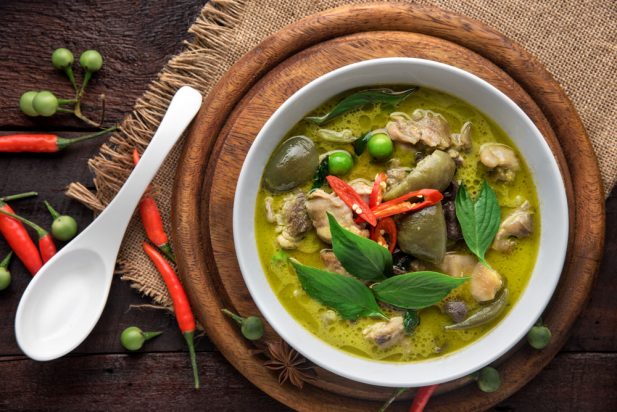
Green Chicken Curry: A Journey Through Gaeng Keow Wan Kai

kickstand-project.org – Gaeng Keow Wan Kai, commonly known as Green Chicken Curry, is a quintessential Thai dish that embodies the vibrant and aromatic flavors of Thai cuisine. Known for its rich, creamy texture and a symphony of spices, this curry is a beloved staple on Thai menus worldwide. In this article, we’ll explore the history, ingredients, and preparation of Gaeng Keow Wan Kai, as well as its cultural significance.

The Origins of Green Chicken Curry

Green Chicken Curry has its roots in central Thailand, where it has been a beloved dish for generations. The curry gets its distinctive green color from green chilies and fresh herbs, creating a flavor profile that is both spicy and aromatic. Traditionally, it was prepared using local ingredients and fresh coconut milk, which remains a key component today.

Key Ingredients

The magic of Gaeng Keow Wan Kai lies in its harmonious blend of ingredients, each playing a crucial role in the overall flavor:

  1. Chicken: Tender pieces of chicken are the main protein in this dish, absorbing the curry’s rich flavors.
  2. Green Curry Paste: Made from a blend of green chilies, garlic, shallots, lemongrass, kaffir lime leaves, and other herbs, this paste is the heart of the dish.
  3. Coconut Milk: Adds creaminess and balances the heat of the chilies with its rich, sweet flavor.
  4. Thai Eggplant: Small, round eggplants are traditional, adding a unique texture and mild bitterness.
  5. Bamboo Shoots: Provide a crunchy contrast to the smooth curry.
  6. Kaffir Lime Leaves: Impart a citrusy aroma and flavor.
  7. Thai Basil: Adds freshness and a subtle anise-like flavor.
  8. Fish Sauce: Enhances the umami and salty notes.
  9. Palm Sugar: Offers a hint of sweetness to balance the spice.

Preparing Gaeng Keow Wan Kai

Creating Green Chicken Curry at home is a delightful experience that allows you to tailor the flavors to your liking. Here’s a simplified version to try:

  1. Prepare the Ingredients: Slice the chicken, eggplants, and bamboo shoots. Gather your curry paste and other ingredients.
  2. Cook the Curry Paste: In a hot pan, add a little oil and the green curry paste. Stir-fry until fragrant.
  3. Add Coconut Milk: Gradually add coconut milk, stirring to blend it with the curry paste.
  4. Cook the Chicken: Add the chicken pieces to the curry and simmer until they are cooked through.
  5. Incorporate Vegetables: Add the eggplants and bamboo shoots, cooking until they are tender.
  6. Finish with Herbs: Stir in the kaffir lime leaves and Thai basil. Adjust the seasoning with fish sauce and palm sugar to taste.
  7. Serve: Enjoy your Green Chicken Curry with steamed jasmine rice or rice noodles.

Cultural Significance

Gaeng Keow Wan Kai is more than just a meal; it is a reflection of Thai culture and hospitality. Often served at family gatherings and celebrations, it represents the importance of flavor and balance in Thai cuisine. The dish’s complexity and depth of flavor are a testament to the skill and creativity of Thai cooks.

Conclusion

Gaeng Keow Wan Kai, with its bold flavors and creamy texture, is a perfect introduction to the world of Thai curries. Its vibrant color and fragrant aroma make it a feast for the senses. Whether you’re a fan of spicy food or new to Thai cuisine, Green Chicken Curry offers a delightful culinary journey that captures the essence of Thailand’s rich culinary heritage.