
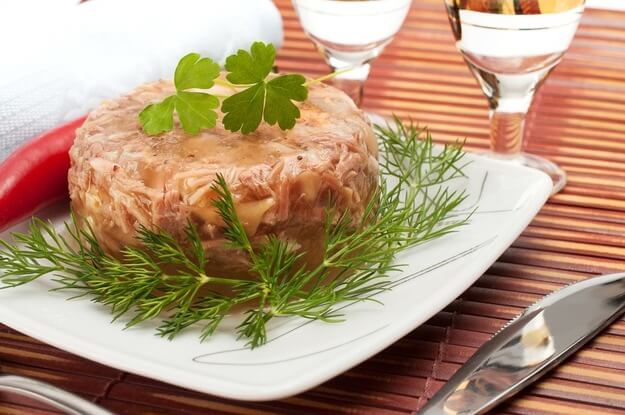
kickstand-project.org – Kholodets is a classic Ukrainian dish that stands out for its unique preparation and presentation. It is a cold jelly made from meat broth, often with pieces of tender meat suspended in the jelly-like consistency. Traditionally served as an appetizer, kholodets is a comforting and hearty dish enjoyed in many Eastern European countries, particularly during festive occasions and family gatherings. The dish’s simplicity and rich flavor have made it a staple in Ukrainian cuisine for centuries, and it continues to be a beloved part of Ukrainian culinary tradition.
The Ingredients of Kholodets
Kholodets is made from a few basic ingredients, but its preparation requires time and care to ensure a perfectly set jelly. The main ingredients include:
- Meat: Typically, kholodets is made using tougher cuts of meat that are rich in collagen, such as pork hocks, beef shank, or even chicken. These cuts are chosen because they release a natural gelatin during slow cooking, which helps the broth set into a firm jelly once cooled.
- Broth: The meat is simmered for several hours in water, creating a flavorful, rich broth that is the base for the dish. The broth is seasoned with garlic, onions, and various herbs and spices such as peppercorns, bay leaves, and sometimes dill.
- Vegetables: Though not always necessary, some recipes include vegetables such as carrots or celery to enhance the flavor of the broth. These vegetables are typically removed before the broth is poured into molds.
- Gelatin: In some modern variations, additional gelatin may be used to ensure a firmer jelly, though traditional recipes rely on the natural gelatin found in the meat itself.
- Garlic and Horseradish: Kholodets is often served with a side of minced garlic or horseradish, which adds a sharp, pungent contrast to the rich, savory flavor of the jelly.
The Preparation of Kholodets
Making kholodets is a slow, labor-intensive process, but the results are worth the effort. Here’s a step-by-step guide to preparing this unique and flavorful dish:
Step 1: Boil the Meat
- Prepare the Meat: Begin by washing the meat and placing it in a large pot. Common choices include pork hocks, beef shanks, or chicken, but any cut with lots of connective tissue and collagen works well for this dish.
- Simmer the Meat: Cover the meat with water and bring it to a boil. Once boiling, reduce the heat to a simmer, and cook the meat for several hours (typically 4-6 hours), ensuring that the broth becomes rich and flavorful. During this time, skim off any impurities or foam that rises to the surface.
- Add Vegetables and Seasoning: After a couple of hours of simmering, add onions, carrots, bay leaves, and peppercorns to the pot for additional flavor. Continue simmering until the meat is tender and easily falls apart.
Step 2: Strain and Cool the Broth
- Remove the Meat: Once the meat is cooked, remove it from the pot and set it aside to cool. Strain the broth through a fine sieve to remove any vegetable bits, bones, and other debris, leaving behind a clear and flavorful broth.
- Set the Broth: Allow the broth to cool. As it cools, it should naturally begin to thicken due to the gelatin from the meat. If the broth doesn’t thicken enough on its own, you can dissolve some additional gelatin in the broth to ensure it will set properly.
Step 3: Prepare the Meat for the Jelly
- Shred the Meat: Once the meat is cool enough to handle, remove the bones and skin (if necessary) and shred the meat into small pieces. The meat is then placed into a mold or dish, and it will form the solid chunks within the jelly.
Step 4: Assemble the Kholodets
- Pour the Broth: Pour the strained, gelatinous broth over the shredded meat, making sure the meat is fully covered with the liquid. Allow the broth to cool at room temperature, and then place it in the refrigerator for several hours, or overnight, to fully set.
- Serve: Once the kholodets has set into a firm, jelly-like consistency, it is ready to serve. The dish is typically cut into squares or slices and served cold.
Serving Kholodets
Kholodets is traditionally served as an appetizer, particularly during festive meals or family gatherings. It can be served with a variety of condiments and sides that balance its rich and savory flavor:
- Garlic: A common accompaniment to kholodets is freshly minced garlic, which adds a sharp, pungent flavor that cuts through the richness of the meat jelly.
- Horseradish: Some variations of kholodets include a side of horseradish, often grated or mixed with sour cream, for an additional kick.
- Bread: Kholodets is often served with thick slices of rye or white bread, providing a sturdy base to enjoy the jelly and condiments.
- Mustard: Some people enjoy a dollop of mustard as a tangy accompaniment to kholodets, especially when served as part of a larger spread of Ukrainian dishes.
Regional Variations of Kholodets
While kholodets is a beloved dish throughout Ukraine, different regions may have their own slight variations on the recipe:
- Pork vs. Beef: Some areas of Ukraine prefer pork-based kholodets, while others use beef or a combination of meats. Pork hocks are particularly prized for their ability to produce a gelatinous broth.
- Vegetarian Kholodets: In some regions, kholodets is made without meat, relying on vegetable broths and additional gelatin to create a vegetarian version of the dish. This variation is often prepared for special occasions or during Lent.
- Additional Flavorings: Depending on the region, the broth may be flavored with other ingredients like dill, vinegar, or bay leaves, adding additional complexity to the flavor of the jelly.
Kholodets in Ukrainian Culture
Kholodets has a long history in Ukrainian cuisine and is often associated with traditional meals during special occasions, such as Christmas, Easter, and weddings. The dish is considered a festive and hearty appetizer, typically served at the start of a meal to stimulate the appetite.
In Ukrainian homes, kholodets is often made in large quantities to serve a crowd, especially during the holiday season. Its rich and savory flavors, combined with the cool, gelatinous texture, make it a unique and comforting dish that has become synonymous with warmth and hospitality.
While kholodets is often enjoyed during the colder months, it is a dish that can be enjoyed year-round. Its ability to be made in advance and served cold makes it an excellent option for family gatherings, holiday feasts, and even as a party appetizer.
Conclusion
Kholodets is a unique and flavorful dish that represents the heart of Ukrainian culinary tradition. With its rich, meaty broth set into a jelly-like consistency, kholodets offers a delicious and satisfying appetizer that has stood the test of time. Whether served with garlic, horseradish, or mustard, this dish brings a touch of warmth and comfort to any table. It continues to be cherished by generations of Ukrainians and remains an iconic part of the country’s gastronomic heritage.
