Still Walking (2008): A Quiet Exploration of Family, Memory

kickstand-project.org – Still Walking (2008), directed by Hirokazu Kore-eda, is a tender and introspective film that explores the dynamics of a family coming together for a reunion. Set over the course of a single day, the film delicately unpacks themes of memory, grief, and the complexities of family relationships. With its subtle direction, heartfelt performances, and nuanced portrayal of human emotion, Still Walking has been widely praised for its compassionate look at the everyday struggles and quiet moments that define family life.

Through a simple, yet profound narrative, Kore-eda presents a family that is united not only by love but also by the weight of past tragedies and unspoken tensions. The film is a meditation on the ways in which families cope with loss, how memories shape relationships, and how unresolved emotions can linger, even in the most ordinary of circumstances.

Plot Overview: A Family Reunion Touched by the Past

The film takes place on the anniversary of the death of the eldest son, Junpei, who drowned years earlier while saving a child. The Yokoyama family, still grieving the loss, gathers at the family home to mark the occasion. The central characters are the parents, the aging Kyohei (Isao Hashizume) and his wife, Toshiko (Kirin Kiki), who are both still haunted by the tragedy, and their surviving children: Ryota (Hiroshi Abe), a doctor who has returned to visit with his wife, Yukari (Yui Natsukawa), and their young son, and his younger sister, Chinami (You).

As the day unfolds, the film explores the quiet, often unspoken tensions between the family members. Ryota, who left his family years ago and became somewhat distant, struggles to reconcile with his parents and his own sense of guilt over Junpei’s death. His wife, Yukari, is also caught in the emotional landscape of the family, trying to navigate the delicate dynamics and find her place.

The reunion is marked by routine activities—meals are prepared, memories are shared, and old grievances are aired. The film lingers in the small, everyday moments of family life, portraying how the past and present continuously intertwine, creating a sense of nostalgia and unresolved grief. Through these interactions, Still Walking reveals the complex emotional terrain of family life, where love, resentment, and memory coexist.

Themes: Memory, Grief, and the Complexity of Family Bonds

The Weight of Memory and Loss

At the heart of Still Walking is the theme of memory, particularly how the memories of a lost loved one continue to shape and affect those left behind. Junpei’s death looms over the family, and his absence is a constant undercurrent to the gathering. Each family member is affected by the tragedy in different ways, and the film captures the emotional complexity of how people process grief over time.

The parents, especially Kyohei, are still mourning the loss of their eldest son, and their relationship with Ryota is strained by their inability to move past the tragedy. Ryota, who was a teenager at the time of the drowning, feels a sense of guilt for not being able to save his brother and for the distance that has grown between him and his parents. The unresolved grief affects the entire family, creating a sense of emotional stagnation where the past remains alive, preventing them from fully moving forward.

Kore-eda explores how grief doesn’t just fade over time but becomes a part of the family’s fabric, quietly influencing their relationships and interactions. The film’s restrained pacing allows for a subtle portrayal of how grief manifests in the ordinary, often unnoticed moments of daily life. Through small gestures, glances, and conversations, Still Walking portrays how memory—both cherished and painful—shapes the way people live with one another.

Family Dynamics and Unspoken Tensions

The film also delves into the complex dynamics of family relationships, particularly the tensions that arise between parents and children. There is a noticeable divide between Ryota and his parents, particularly his father Kyohei, whose expectations for Ryota’s life seem to linger over him. Ryota’s choice to become a doctor and his decision to live far from home add to the strain in their relationship, as Kyohei is often critical and disappointed in his son’s choices, seeing him as detached from the family.

Meanwhile, Ryota’s guilt over his brother’s death and his decision to leave his family behind creates a sense of distance between him and the rest of the family. Ryota’s attempts to reconnect with his parents are hindered by the weight of the past and the unspoken resentment that still lingers. The film captures these moments of tension with a delicate touch, allowing the audience to feel the strain without explicitly stating it.

There is also a sense of reconciliation in the family, particularly with Ryota’s interactions with his aging parents. The film doesn’t resolve all of the emotional conflicts, but it shows how small gestures of care and understanding can provide moments of healing. Through these interactions, Kore-eda emphasizes the subtle nature of familial love, where sometimes it’s not the big declarations of affection that matter but the quiet, unspoken moments that signify care and connection.

Aging and the Passing of Time

Another important theme in Still Walking is the inevitability of aging and the passage of time. The parents, Kyohei and Toshiko, are both older and more reflective, dealing with the physical and emotional effects of growing old. Kyohei is a former doctor who now seems to be losing his sharpness, while Toshiko works tirelessly in the home, despite her age. They represent the older generation who have seen much of their lives pass and who are now facing the realization that time is slipping away.

Kore-eda addresses the idea that time and death do not stop for anyone, and as the parents grow older, the children are forced to confront the reality of their own mortality and their parents’ decline. The film captures the passing of time through small, poignant details—like Kyohei’s deteriorating health and the gentle, sometimes painful moments of old age. These details underscore the sense of inevitability and the way in which life moves forward, even when we are not ready for it.

The passage of time is also reflected in the everyday routines of the family, such as the meals they prepare together and the simple, repetitive acts of care. These moments serve as a reminder of the continuity of life, even amid grief and unresolved emotional tensions.

Cinematic Style: Subtle, Humanistic Storytelling

Kore-eda’s direction in Still Walking is marked by its subtle, naturalistic style. The film takes a minimalist approach, focusing on the small, everyday moments that shape the family’s life. There are no grand gestures or dramatic confrontations; instead, the film relies on quiet interactions, lingering shots, and close-ups to capture the emotions of the characters.

The film’s pacing is slow, allowing for a deep exploration of the characters’ inner lives and the complex emotions they experience. Kore-eda’s use of long takes and static shots contributes to the sense of stillness, as the characters are left alone with their thoughts and memories. This deliberate pacing invites the audience to fully immerse themselves in the family’s world, fostering a deep emotional connection to the characters and their struggles.

The cinematography, by Yutaka Yamazaki, is understated but beautiful, capturing the warmth and intimacy of the family home. The film’s natural lighting and simple compositions reflect the grounded, realistic tone of the story, while also highlighting the emotional depth of the characters’ experiences.

The performances in Still Walking are exceptional, with each actor bringing a depth of emotion to their role. Hiroshi Abe’s portrayal of Ryota, in particular, stands out, capturing his character’s internal conflict and desire for reconciliation with his parents. Kirin Kiki and Isao Hashizume are equally powerful as the aging parents, conveying a sense of quiet sorrow and love for their children.

Legacy and Impact: A Universally Resonant Portrait of Family

Still Walking has been widely acclaimed for its quiet, nuanced exploration of family dynamics and the emotional complexity of grief. The film has resonated with audiences around the world for its universal themes and its sensitive portrayal of the ways in which people cope with loss and navigate the difficult terrain of family relationships.

Kore-eda’s work is often lauded for its humanistic approach, and Still Walking is no exception. The film’s emotional honesty and its ability to find beauty in the mundane have made it a modern classic. It continues to be regarded as one of Kore-eda’s finest works, further cementing his reputation as a master of intimate, character-driven storytelling.

Conclusion: A Quiet, Moving Exploration of Love and Loss

Still Walking (2008) is a deeply moving and introspective film that captures the complexity of family life, the weight of memory, and the process of coming to terms with grief. Through its subtle storytelling, exceptional performances, and compassionate exploration of human relationships, the film offers a powerful reflection on the passage of time and the enduring bonds that shape our lives. It is a timeless, universal portrait of love, loss, and the quiet moments that define family.
Lady Snowblood (1973): A Dark Tale of Revenge

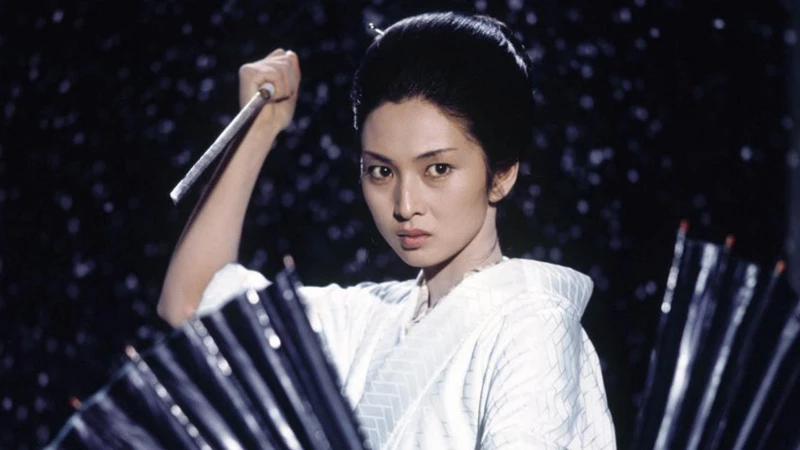
kickstand-project.org – Lady Snowblood (Shurayukihime, 1973), directed by Toshiya Fujita, is a seminal Japanese exploitation film that has left an indelible mark on cinema, influencing numerous films in both the action and revenge genres. Based on the manga series by Kazuo Koike and illustrated by Kazuo Kamimura, the film tells the story of a woman named Yuki, who embarks on a brutal quest for vengeance against the criminals who destroyed her family. The film blends elements of the samurai genre with a gritty, stylized form of violence and vengeance, establishing a template for many films that followed, including Quentin Tarantino’s Kill Bill.

Though it is often categorized as a “revenge” or “exploitation” film, Lady Snowblood transcends its genre by offering a poignant exploration of the human cost of vengeance, the nature of justice, and the emotional toll of living a life defined by hatred. With its visually striking cinematography, unforgettable score, and complex central character, Lady Snowblood stands as both a genre-defining work and a deeply compelling character study.

Plot Overview

The film opens in the late 19th century during Japan’s Meiji era. Yuki (played by Meiko Kaji), a woman with striking red clothing and snow-white skin, seeks vengeance on a group of criminals who wronged her family years ago. Her story begins with a tragic flashback to her birth, where it is revealed that her mother, a victim of a brutal assault, gave birth to her daughter in prison. This act is not out of love, but as part of a larger plan for revenge. Yuki’s mother, who had been wronged by a gang of ruthless men, has raised her daughter in an environment of hatred and fury, training her for the sole purpose of exacting revenge on the individuals responsible for her suffering.

Yuki’s life is defined by her mother’s thirst for vengeance. The film follows her as she tracks down and eliminates the men who destroyed her family, one by one. Each death is a moment of catharsis for Yuki, but also deepens her personal conflict. The vengeance she seeks provides her with a purpose, but it also consumes her, leaving her isolated and emotionally numb. Her relationship with the world and the people around her becomes increasingly defined by bloodshed, culminating in a climactic confrontation that forces her to confront the true cost of her quest for justice.

The film’s narrative structure is nonlinear, with frequent flashbacks that slowly reveal the tragic backstory of Yuki’s mother, the motivation behind Yuki’s vengeance, and the philosophical implications of her actions. The movie unfolds with a sense of inevitability as Yuki systematically takes out each of her targets, but the emotional and psychological toll of this unrelenting pursuit of revenge begins to catch up with her.

Themes: Revenge, Justice, and Humanity

Revenge and Its Consequences

At the heart of Lady Snowblood is the theme of revenge. The film asks fundamental questions about the nature of vengeance and its consequences. Yuki’s quest for justice is born from deep personal trauma and an unyielding desire to right the wrongs done to her family. However, as she exacts her brutal revenge on the men who ruined her life, the film begins to suggest that revenge, while satisfying in the short term, may ultimately be hollow and destructive.

The film explores how revenge can be all-consuming. Yuki’s ability to kill is shown as a cold, almost mechanical skill, a trait she has inherited from her mother’s singular focus on vengeance. While she is successful in eliminating her enemies, each act of violence takes a toll on her soul, isolating her from any potential for emotional connection. The more successful she becomes in her mission, the more she finds herself trapped in an endless cycle of hatred and bloodshed.

Lady Snowblood suggests that revenge, while it may bring a sense of justice, ultimately leaves its practitioners empty and broken. Yuki’s pursuit of vengeance prevents her from truly living, rendering her a ghostly figure, incapable of engaging with the world around her except through violence. The film highlights the emptiness that comes with living a life defined by vengeance.

Justice and Morality

The film presents a morally complex landscape where justice is not always clear-cut. Yuki’s actions, while driven by a sense of justice and a desire to right the wrongs done to her family, often blur the line between right and wrong. She becomes a symbol of vengeance—her righteous cause is subverted by the brutal methods she uses to achieve it.

Lady Snowblood challenges the traditional notions of justice, asking whether the ends can justify the means. It presents the audience with the dilemma of whether Yuki’s actions can be seen as justified or whether they are ultimately a form of blind, destructive violence. Her ruthless pursuit of vengeance creates a morally ambiguous situation, in which the lines between the victim and the perpetrator become increasingly difficult to distinguish.

The film also examines the impact of institutionalized injustice. Yuki’s family was wronged by a group of criminals, but the larger societal structures of the time fail to bring them to justice. In this context, Yuki’s vigilante actions can be seen as a response to a world where traditional systems of justice are either corrupt or ineffective.

Humanity and Alienation

As Yuki moves further into her journey of revenge, she becomes increasingly alienated from her humanity. Her capacity for love, compassion, and even normal human interaction diminishes, as her mission takes precedence over everything else in her life. The film poignantly explores the cost of dedicating oneself to vengeance, suggesting that the price of retribution is not just the lives of others, but also the forfeiting of one’s own humanity.

The film contrasts Yuki’s cold, emotionless persona with moments of vulnerability, particularly in her brief interactions with a few sympathetic characters. These moments underscore the possibility of redemption and human connection, which remain forever out of reach for Yuki due to the all-encompassing nature of her mission. Lady Snowblood serves as a meditation on the toll of living a life of vengeance—how it distances individuals from their innate humanity and destroys their capacity for compassion.

Cinematic Style and Visuals

The visual style of Lady Snowblood is one of the film’s most striking features. Director Toshiya Fujita and cinematographer Chishi Maki expertly use color, composition, and lighting to heighten the film’s intense emotional and dramatic impact. The film is famous for its bold and dramatic use of color, particularly in its depiction of bloodshed. The contrast of bright red blood against the stark, snow-covered landscape serves as a visual metaphor for the collision of innocence and violence at the core of the film.

The action sequences in Lady Snowblood are brutal yet elegantly choreographed, combining the sharp swordplay of samurai films with the stylized violence typical of exploitation cinema. The film’s fight scenes are fast-paced and intense, with the camera often lingering on the violence in ways that emphasize its coldness and inevitability. The film’s action scenes, while visually exciting, also convey the emotional and psychological toll of the violence being committed.

The film’s score, composed by the legendary composer, Tôru Takemitsu, is haunting and atmospheric, further enhancing the film’s melancholic and dark tone. The music provides a stark contrast to the intensity of the action, creating a sense of emotional depth and tragedy that elevates the film beyond its genre roots.

Reception and Legacy

Lady Snowblood was well-received upon its release and has since gained a cult following, particularly for its groundbreaking use of stylized violence and its complex portrayal of a female protagonist. Meiko Kaji’s performance as Yuki became iconic, and her character is now one of the most recognizable in Japanese cinema. Kaji’s portrayal of a woman driven by vengeance, yet emotionally torn by the consequences of her actions, remains a defining feature of the film.

The film’s influence can be seen in a variety of works, most notably Quentin Tarantino’s Kill Bill, which pays direct homage to Lady Snowblood in its themes, aesthetic choices, and the character of the Bride, who similarly embarks on a path of bloody vengeance. Lady Snowblood also helped pave the way for other revenge-driven films, influencing both Asian and Western filmmakers.

Today, Lady Snowblood is regarded as a seminal film in the revenge genre, recognized for its visual style, feminist undertones, and exploration of themes like justice, vengeance, and the cost of violence. It remains a landmark in both Japanese cinema and the global action genre.

Conclusion

Lady Snowblood (1973) is a powerful and visually striking film that explores the complexities of revenge, justice, and humanity. Through its central character, Yuki, the film delves into the psychological and emotional toll of living a life defined by vengeance. With its bold cinematography, iconic performances, and haunting themes, Lady Snowblood stands as a landmark in Japanese cinema and continues to influence films across the globe. A tale of brutality and pathos, Lady Snowblood is a poignant meditation on the devastating cost of retribution and the toll it takes on the soul.

He & She: Paula Hollister’s Role in a Groundbreaking Sitcom

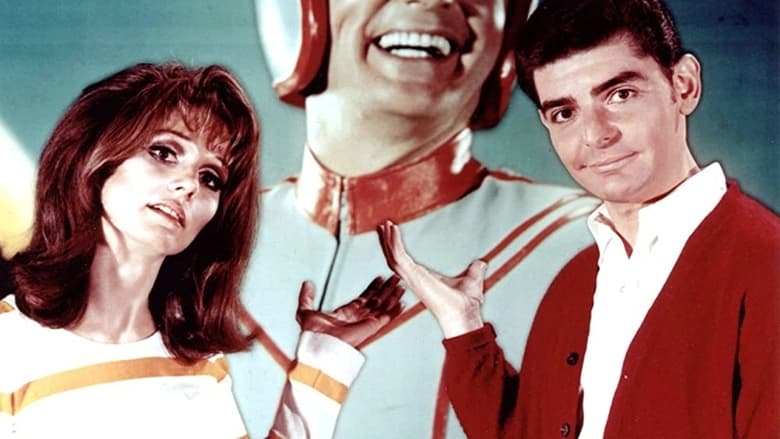
kickstand-project.org – He & She (1967–1968) was a short-lived but influential American sitcom that left a lasting impact on the genre, known for its sharp writing, sophisticated humor, and progressive take on marriage and gender roles. Created by Leonard Stern, this clever series centered on a married couple living in New York City—Dick Hollister, a cartoonist, and his wife, Paula Hollister, played by Paula Prentiss, a social worker. Prentiss’s portrayal of Paula Hollister brought a refreshing sense of intelligence, wit, and independence to the show, making her one of the standout characters in a series that was ahead of its time.

Plot Overview: A Marriage of Equals in the City

He & She followed the daily lives of Dick (Richard Benjamin) and Paula Hollister, a modern, urban couple navigating the challenges of work, relationships, and city life. The show was praised for its more realistic and egalitarian depiction of marriage, contrasting with the more traditional or one-dimensional portrayals of married couples on television at the time.

Dick worked as a cartoonist for a superhero comic strip titled Jetman, while Paula had her own career as a social worker. The series revolved around their humorous but relatable domestic situations, their quirky neighbors, and the professional dilemmas they faced. Paula’s character, in particular, was a breath of fresh air—a working woman who was strong, independent, and supportive of her husband while maintaining her own identity.

Paula Hollister: A New Kind of Sitcom Wife

Paula Hollister, as portrayed by Paula Prentiss, was unlike many TV wives of the era. She was a career woman with a mind of her own, who wasn’t solely defined by her role as a wife. Her job as a social worker allowed her character to have agency outside the home, and the show often explored her professional challenges alongside those of her husband. Paula was intelligent, quick-witted, and had a wonderful chemistry with her on-screen husband, Richard Benjamin, who also happened to be Prentiss’s real-life spouse.

Paula’s character was progressive for the time, representing a shift toward more empowered and multifaceted portrayals of women on television. She wasn’t simply there to support her husband or provide comic relief—Paula was a fully realized character with her own goals and opinions, often driving the storylines with her humor and insight.

A Sitcom Ahead of Its Time

He & She was widely regarded as being ahead of its time in terms of both its humor and its depiction of gender dynamics. While many sitcoms of the 1960s portrayed women in more traditional roles, He & She presented a marriage based on mutual respect, where both partners were equally capable and involved in each other’s lives. The Hollisters were a modern couple dealing with the realities of work-life balance, personal aspirations, and the quirks of urban living.

The show’s sophisticated dialogue and witty banter made it a critical favorite, and Paula Prentiss’s portrayal of Paula Hollister was a key element of that success. Her comic timing, natural charisma, and chemistry with Richard Benjamin helped elevate the series beyond the typical sitcom fare of the time.

Impact and Legacy of Paula Hollister’s Character

Although He & She only lasted for one season, it left a lasting impact on television comedy. Paula Hollister’s character helped pave the way for more complex, independent female roles in sitcoms that followed. The dynamic between Dick and Paula provided a template for future sitcoms that explored more egalitarian relationships, such as The Mary Tyler Moore Show and Rhoda.

Paula’s character, in particular, was a precursor to the kind of female leads who would dominate 1970s television—strong, self-assured women who could be funny, vulnerable, and career-oriented without being reduced to stereotypes.

Conclusion

He & She (1967–1968) may have been a short-lived series, but its influence on the sitcom genre was undeniable. At the heart of the show was Paula Hollister, played by Paula Prentiss, whose portrayal of a smart, independent, and loving wife helped to reshape the image of women on television. Paula’s character was groundbreaking in her own right, showing audiences that a woman could be both a devoted partner and a professional with her own aspirations.

Though the show aired for only one season, Paula Hollister remains a memorable and important figure in the evolution of television, marking a shift toward more progressive and realistic portrayals of women and marriages in American sitcoms.

La Notte: A Haunting Exploration of Existential Despair

kickstand-project.org – Michelangelo Antonioni’s 1961 film, La Notte (The Night), is a haunting exploration of existential despair and the emptiness of modern life. 1 This masterpiece of Italian cinema, part of Antonioni’s “Trilogy of Alienation” alongside L’Avventura and L’Eclisse, delves into the psychological and emotional landscapes of its characters, portraying a world devoid of meaning and connection. 

A Day in the Life of a Disillusioned Couple

The film follows a married couple, Giovanni (Marcello Mastroianni) and Lidia (Jeanne Moreau), as they navigate a seemingly ordinary day in Milan. However, beneath the surface of their seemingly perfect lives, a profound sense of dissatisfaction and alienation permeates their existence.   

The couple’s day begins with a visit to a dying friend in the hospital, a somber event that sets the tone for the film’s exploration of mortality and the transience of life. As the day progresses, Giovanni and Lidia attend a lavish party hosted by a wealthy industrialist, a microcosm of the superficiality and emptiness of high society.   

The Crumbling Facade of Modern Life

Antonioni masterfully employs cinematic techniques to convey the characters’ emotional and psychological states. Long, lingering shots, often devoid of dialogue, emphasize the characters’ isolation and introspection. The film’s stark black-and-white cinematography, combined with its minimalist score, creates a sense of detachment and melancholy.

The characters’ conversations are often stilted and meaningless, reflecting the superficiality of their relationships. Their interactions are marked by a lack of genuine connection, as they struggle to communicate their deepest feelings and desires. The film’s exploration of the breakdown of communication is a poignant commentary on the challenges of human interaction in the modern world.   

Existential Angst and the Search for Meaning

La Notte is a profoundly existential film, delving into the fundamental questions of human existence. The characters’ search for meaning and purpose is ultimately futile, as they are trapped in a cycle of boredom and dissatisfaction. The film’s bleak outlook on the human condition is both challenging and thought-provoking.   

A Timeless Exploration of Human Loneliness

Despite being made over six decades ago, La Notte remains a relevant and powerful exploration of human loneliness and alienation. Its themes of existential despair, the breakdown of communication, and the emptiness of modern life continue to resonate with audiences today.

Antonioni’s masterful direction, combined with the superb performances of Marcello Mastroianni and Jeanne Moreau, elevates La Notte to the status of a cinematic masterpiece. It is a film that lingers in the mind long after the credits roll, inviting viewers to contemplate the profound questions it raises about the human condition.

April Snow: A Study in Betrayal, Grief, & Unexpected Connection

kickstand-project.org – “April Snow” (외출, Oechul, literally “Outing”), a 2005 South Korean romantic drama film directed by Hur Jin-ho, delves into the complex emotional landscape of two individuals brought together by the shared experience of betrayal. The film, starring Bae Yong-joon and Son Ye-jin, explores themes of grief, forgiveness, and the unexpected connections that can form in the wake of personal crisis.

A Shared Shock and an Unlikely Alliance

The film opens with the devastating news of a car accident involving two spouses: Seo-young’s (Son Ye-jin) husband and In-soo’s (Bae Yong-joon) wife. As they rush to the hospital in a remote rural town, they discover the shocking truth: their spouses were having an affair.

This shared betrayal forms the foundation of an unlikely alliance between Seo-young and In-soo. They are both grappling with the pain of infidelity, the sudden disruption of their lives, and the uncertainty of the future. In a foreign environment, they find solace and understanding in each other’s company.

Navigating the Complexities of Grief and Betrayal

“April Snow” meticulously portrays the complex emotional journey of Seo-young and In-soo as they navigate the aftermath of the affair. They experience a range of emotions: shock, anger, sadness, confusion, and a sense of profound loss.

The film avoids simplistic portrayals of blame or revenge. Instead, it focuses on the characters’ internal struggles as they try to make sense of the situation and cope with their emotional turmoil. They find themselves drawn to each other, not out of romantic desire initially, but out of a shared need for comfort and understanding.

A Budding Connection Amidst the Pain

As Seo-young and In-soo spend more time together in the unfamiliar town, a delicate connection begins to form between them. They share meals, visit the accident site, and discuss their spouses, finding a strange sense of comfort in their shared experience.

Their connection is not a simple romantic entanglement. It is born out of shared grief and a mutual understanding of the pain of betrayal. They offer each other a safe space to express their emotions and find solace in their shared vulnerability.

Themes of Betrayal, Grief, and Forgiveness

“April Snow” explores several key themes:

  • Betrayal and Infidelity: The film delves into the devastating impact of infidelity on individuals and relationships. It portrays the emotional turmoil and the sense of loss that can result from betrayal.
  • Grief and Loss: The film explores the different stages of grief and the challenges of coping with loss, whether it is the loss of a relationship, the loss of trust, or the potential loss of a loved one.
  • Unexpected Connections: The film highlights the unexpected connections that can form in times of crisis. Seo-young and In-soo’s relationship is born out of shared pain, but it evolves into something more complex and meaningful.
  • Forgiveness and Healing: While the film doesn’t offer easy answers or resolutions, it suggests the possibility of forgiveness and healing in the aftermath of betrayal.

A Study in Human Emotion and Connection

“April Snow” is a poignant and emotionally resonant film that offers a nuanced exploration of human relationships in the face of adversity. The performances of Bae Yong-joon and Son Ye-jin are subtle and compelling, capturing the complex emotions of their characters. The film’s understated style and focus on character development create a powerful and moving cinematic experience. It stands as a thoughtful meditation on betrayal, grief, and the unexpected connections that can emerge from shared pain.

Killer Toon: When Webtoons Become a Deadly Reality

kickstand-project.org – Killer Toon (더 웹툰: 예고살인; Deo Webtun: Yego Salin; literally “The Webtoon: Foretold Murder”) is a 2013 South Korean horror thriller film directed by Kim Yong-gyun. This film offers a unique and intriguing premise: a popular webtoon artist’s comics begin to depict real-life murders, blurring the lines between fiction and reality. Killer Toon explores the power of imagination, the influence of media, and the terrifying consequences when art imitates life in the most gruesome way.

A Webtoon Artist and a Series of Disturbing Deaths

The story centers around Kang Ji-yoon (Lee Si-young), a successful webtoon artist whose horror comics are gaining immense popularity. However, a series of deaths begin to occur that eerily mirror the gruesome scenes depicted in her latest webtoon. Detective Lee Ki-cheol (Uhm Ki-joon), investigating the murders, starts to suspect Ji-yoon’s involvement, believing that she may be somehow connected to the killings.

Blurring the Lines Between Fiction and Reality

The central concept of Killer Toon is the blurring of lines between the fictional world of webtoons and the real world. The film effectively visualizes the webtoon panels, seamlessly transitioning between the drawn scenes and live-action sequences. This technique creates a visually engaging and unsettling experience, making the audience question the nature of reality within the film’s narrative.

A Mystery Unfolds: Who is the Real Killer?

As the investigation progresses, the film presents multiple suspects and red herrings, keeping the audience guessing about the identity of the true killer. Is Ji-yoon directly responsible for the murders, or is there a copycat killer using her webtoons as a blueprint? The mystery deepens as more deaths occur, each mirroring a specific scene from her comics.

Exploring Themes of Guilt, Trauma, and the Power of Imagination

Beyond the mystery and horror, Killer Toon delves into themes of guilt, trauma, and the power of imagination. The film explores the psychological impact of past traumas and how they can manifest in unexpected and destructive ways. It also examines the influence of media and how fictional narratives can impact real-world actions.

Visual Style and Effective Suspense

Killer Toon employs a distinctive visual style, effectively blending the aesthetics of webtoons with the conventions of horror cinema. The transitions between drawn and live-action scenes are seamless and visually striking. The film also builds suspense through its pacing, atmosphere, and use of sound design.

A Unique and Engaging Horror Experience

Killer Toon offers a unique and engaging horror experience that distinguishes itself from typical slasher or supernatural horror films. Its clever premise, visual style, and exploration of interesting themes make it a memorable entry in Korean horror cinema. The film’s ability to blend the world of webtoons with real-life horror creates a chilling and thought-provoking narrative.

Three Men in a Boat: A Comical Journey Down the Thames

kickstand-project.org – Three Men in a Boat (1956) is a delightful British comedy film based on Jerome K. Jerome’s humorous novel of the same name. Directed by Ken Annakin, this film captures the spirit of a leisurely boat trip down the River Thames, filled with misadventures, humor, and a touch of nostalgia.   

A Mismatched Trio

The film follows three friends, J (Laurence Harvey), George (Jimmy Edwards), and Harris (David Tomlinson), as they embark on a boating holiday. Each character brings their unique quirks and foibles to the adventure, leading to a series of comic mishaps. J, the thoughtful and somewhat neurotic narrator, often finds himself exasperated by the antics of his two companions. George, a hypochondriac, is constantly worrying about his health, while Harris, the practical joker, delights in causing chaos.   

A Series of Comic Misadventures

The film is filled with humorous situations, from the initial preparations for the trip to the various challenges encountered along the river. The trio’s inexperience in boating leads to a series of comical mishaps, including capsizing the boat, getting lost, and encountering various eccentric characters. The film also pokes fun at the Victorian era, with its emphasis on etiquette and social conventions.   

A Nostalgic Journey

Three Men in a Boat offers a nostalgic glimpse into the past. The film’s beautiful cinematography captures the serene beauty of the River Thames, showcasing picturesque landscapes and quaint villages. The film’s gentle humor and warm tone make it a perfect choice for a family-friendly watch.

A Timeless Classic

Despite being made over six decades ago, Three Men in a Boat continues to entertain audiences of all ages. Its timeless humor, charming characters, and beautiful setting have ensured its enduring popularity. The film’s message of friendship, laughter, and the simple pleasures of life remains relevant today.

Conclusion

Three Men in a Boat is a delightful and heartwarming comedy that captures the spirit of adventure and friendship. Its charming characters and humorous situations make it a classic of British cinema. Whether you’re a fan of British comedy or simply looking for a lighthearted and enjoyable film, Three Men in a Boat is sure to bring a smile to your face.

The Mighty Ursus: A Herculean Tale of Adventure

kickstand-project.org – The Mighty Ursus (1964), also known as Ursus, Son of Hercules, is a classic Italian sword-and-sandal film that embodies the genre’s signature blend of action, adventure, and mythological fantasy. Directed by Carlo Campogalliani, the film stars Ed Fury as the titular hero, a powerful warrior with superhuman strength.   

A Hero’s Journey

The plot follows Ursus, a valiant warrior who returns home after years of battle to find his beloved fiancée, Attea, kidnapped by a sinister cult. Determined to rescue her, Ursus embarks on a perilous quest to a remote island. Along the way, he encounters a variety of challenges, including treacherous terrain, dangerous creatures, and ruthless enemies.   

One of the most memorable aspects of The Mighty Ursus is its stunning cinematography, which showcases the breathtaking landscapes of Italy. The film’s exotic locations, from lush forests to rugged mountains, provide a visually striking backdrop for the epic adventures of Ursus.

A Genre Icon

Ed Fury, the American actor who portrayed Ursus, became a cult icon for his portrayal of the heroic figure. His imposing physique and commanding presence made him the perfect choice for the role. Fury’s performance, combined with the film’s thrilling action sequences and captivating storyline, has ensured The Mighty Ursus a place in the hearts of fans of sword-and-sandal cinema.

The film’s popularity led to a series of sequels, further cementing Ursus’ status as a beloved character in Italian popular culture. The series, which includes titles like Ursus, the Gladiator and Ursus and the Tartars, continues to be enjoyed by fans of the genre.

A Timeless Classic

The Mighty Ursus is a timeless classic that appeals to audiences of all ages. Its blend of adventure, heroism, and mythological fantasy has captivated viewers for decades. Whether you’re a fan of sword-and-sandal films or simply looking for a fun and entertaining movie, The Mighty Ursus is sure to deliver.

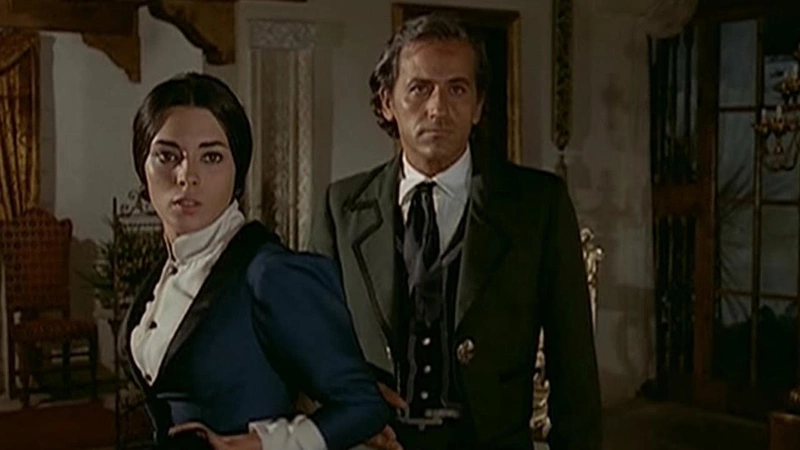
The Forgotten Pistolero: A Unique Spaghetti Western

kickstand-project.org – Released in 1969, The Forgotten Pistolero (also known as Gunman of Ave Maria) is a unique Spaghetti Western directed by Ferdinando Baldi. This unconventional film blends elements of revenge drama, Greek tragedy, and psychological thriller, offering a fresh perspective on the genre.   

A Twisted Tale of Revenge

The film follows the story of Sebastian Carrasco, a young man who returns to his hometown after years of absence. He seeks revenge against his mother, Anna, and her lover, Tomas, who were responsible for the murder of his father, a Mexican general.

As Sebastian embarks on his quest for vengeance, the film delves into themes of guilt, betrayal, and the destructive nature of revenge. The protagonist is a complex and troubled figure, haunted by his past and driven by a thirst for justice.   

A Unique Blend of Genres

The Forgotten Pistolero stands out from other Spaghetti Westerns due to its unconventional narrative and its exploration of psychological themes. The film’s dark and brooding atmosphere is reminiscent of a Gothic horror story, while its violent action sequences are reminiscent of the genre’s more traditional offerings.

The film’s unique blend of genres and its focus on character development make it a standout in the Spaghetti Western canon. Its exploration of themes of family, betrayal, and the consequences of violence is both timely and timeless.

A Forgotten Gem

Despite its unique qualities, The Forgotten Pistolero remains a relatively unknown film. However, it has gained a cult following over the years, with fans praising its dark and atmospheric tone, its complex characters, and its unexpected twists and turns.

If you’re a fan of Spaghetti Westerns and are looking for something different, The Forgotten Pistolero is definitely worth checking out. Its unconventional approach to the genre and its exploration of complex themes make it a truly unique cinematic experience.

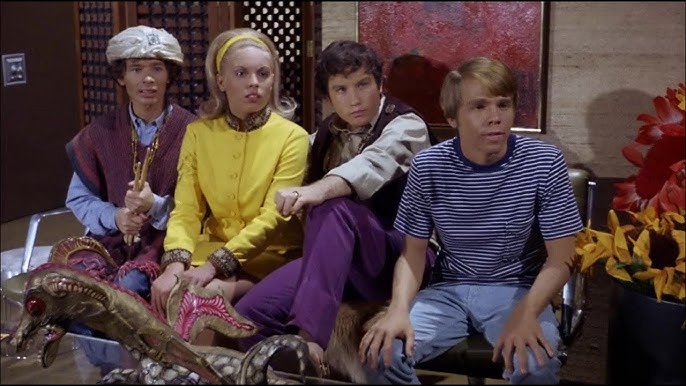
Hello Down There: A Quirky Underwater Adventure

kickstand-project.org Hello Down There is a 1969 American comedy-adventure film directed by Jack Arnold and Ricou Browning. The film stars Tony Randall and Janet Leigh and follows the story of a marine biologist who builds an underwater home and moves his family in.   

A Whimsical Underwater World

The film paints a whimsical picture of life underwater. The underwater home, a marvel of 1960s technology, is filled with gadgets and gizmos. The family’s daily life is depicted with a sense of humor and wonder, from underwater schooling to underwater rock concerts.   

A Fish-Out-of-Water Comedy

The film’s humor stems from the fish-out-of-water scenario, as the family adjusts to their new aquatic lifestyle. Mishaps and comedic situations abound, from dealing with leaky pipes to encountering unusual marine creatures. The film’s lighthearted tone and quirky characters make it a fun and entertaining watch.

A Nod to Classic Science Fiction

While “Hello Down There” is primarily a comedy, it also pays homage to classic science fiction films. The underwater setting and the futuristic technology evoke a sense of wonder and imagination, reminiscent of films like “20,000 Leagues Under the Sea” and “The Fantastic Voyage.”

A Forgotten Gem

Despite its unique premise and entertaining moments, “Hello Down There” is often overlooked. It’s a charming and nostalgic film that offers a glimpse into a bygone era of cinematic creativity.

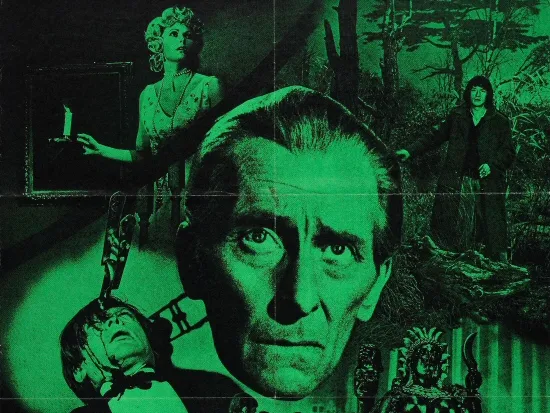
The Ghoul: A Gothic Horror Classic – A Family’s Dark Secret

kickstand-project.org – The Ghoul (1975) is a British horror film directed by Freddie Francis, renowned for his work on Hammer Horror films. The film, set in a remote English estate, blends elements of Gothic horror, psychological thriller, and body horror to create a chilling and disturbing atmosphere.   

A Star-Studded Cast

The film boasts a stellar cast, including legendary horror actor Peter Cushing, alongside John Hurt, Alexandra Bastedo, and Veronica Carlson. Cushing delivers a chilling performance as Dr. Lawrence, a former clergyman harboring a dark and disturbing secret. Bastedo, known for her roles in television series like The Avengers and The Saint, adds a touch of glamour and mystery to the film.   

A Family’s Dark Secret

The plot revolves around a group of friends who seek refuge in Dr. Lawrence’s secluded manor during a storm. As they explore the eerie house, they uncover a horrifying truth about the doctor’s family. A monstrous creature, a product of a strange tropical disease, lurks within the walls, feeding on human flesh.

A Gothic Masterpiece

The Ghoul is a classic example of British horror cinema, combining atmospheric storytelling, stunning visuals, and a chilling performance by Peter Cushing. The film’s exploration of themes of madness, isolation, and the grotesque is both disturbing and fascinating.   

While the film may not be as well-known as some of Hammer Horror’s more iconic works, it remains a cult classic among horror fans. Its dark and twisted narrative, combined with its strong performances and atmospheric setting, make it a must-watch for anyone who appreciates the genre.

Uncommon Valor (1983): A Tribute to Brotherhood & Heroism

kickstand-project.org – “Uncommon Valor” is a 1983 action-war film that delivers a gripping narrative of loyalty, sacrifice, and the enduring bonds of brotherhood. Directed by Ted Kotcheff, the movie stars Gene Hackman, Robert Stack, and Patrick Swayze, among others. It reflects the post-Vietnam War era’s sentiments, focusing on the plight of American soldiers who were declared missing in action (MIA) and their families’ relentless quest for closure.

Plot Overview

Set a decade after the end of the Vietnam War, “Uncommon Valor” follows Colonel Jason Rhodes, played by Gene Hackman, as he embarks on a personal mission to rescue his son, who he believes is still held captive in Laos. Driven by a father’s unwavering hope and determination, Rhodes assembles a team of his son’s former squad members, each bringing unique skills and personal motivations to the mission. Together, they prepare for a daring and perilous rescue operation deep in hostile territory.

Themes and Characters

The film explores themes of loyalty, redemption, and the psychological scars left by war. Rhodes’s character embodies the relentless pursuit of justice and familial love, while his team members each grapple with their own war-induced traumas and memories. The camaraderie and shared sense of purpose among the men highlight the deep bonds formed in the crucible of combat. The character played by Patrick Swayze, Kevin Scott, represents the younger generation’s idealism and bravery, bridging the gap between past and present soldiers.

Direction and Cinematography

Ted Kotcheff’s direction ensures that “Uncommon Valor” is both an emotional and action-packed journey. The film balances intense combat sequences with moments of introspection and character development. The jungle settings are captured with gritty realism, enhancing the film’s atmosphere and the tension of the mission. The cinematography and editing effectively convey the urgency and danger of the rescue operation, keeping audiences engaged and emotionally invested.

Critical Reception and Impact

Upon its release, “Uncommon Valor” resonated with audiences for its heartfelt portrayal of the Vietnam War’s lingering impact on veterans and their families. The film was praised for its strong performances, particularly by Gene Hackman, whose portrayal of a determined father added emotional depth to the action-driven plot. While some critics noted the film’s reliance on genre conventions, its focus on the human cost of war and the power of hope distinguished it from other war films of the time.

Conclusion

“Uncommon Valor” stands as a poignant tribute to the unsung heroes of the Vietnam War and the families who refused to give up on them. By weaving together themes of loyalty, sacrifice, and redemption, the film offers a compelling narrative that transcends its action elements. As a cinematic exploration of brotherhood and heroism, “Uncommon Valor” continues to resonate with viewers, reminding us of the enduring spirit of those who serve and the families who support them.

Introduction to “The Cave” (2019) – Plot Overview

kickstand-project.org – “The Cave,” released in 2019, is a powerful documentary directed by Feras Fayyad. This film offers a poignant and unflinching look into the harrowing conditions of a makeshift underground hospital in war-torn Syria. It is a testament to the resilience and courage of the medical staff who risk their lives to provide care amidst the chaos of conflict.

Plot Overview

Set in the besieged region of Eastern Ghouta, Syria, “The Cave” follows Dr. Amani Ballour, a pediatrician and the hospital’s manager. The documentary captures the daily struggles faced by Dr. Amani and her predominantly female team as they work tirelessly under constant threat from bombings and the systemic sexism that challenges their efforts. The hospital, aptly named “The Cave,” serves as a sanctuary and a symbol of hope for the people trapped in the conflict.

Themes and Analysis

The Human Cost of War

One of the central themes of “The Cave” is the devastating human cost of war. The film brings to light the grim realities faced by civilians caught in the crossfire, emphasizing the suffering of the innocent and the toll on mental and physical health.

Gender and Resistance

“The Cave” also explores themes of gender and resistance. Dr. Amani, as a female leader in a male-dominated society, represents defiance against traditional gender roles. Her leadership within the hospital reflects the broader struggle for gender equality and empowerment amidst adversity.

Cinematic Techniques

Intimate Storytelling

Feras Fayyad employs a raw and intimate storytelling style, capturing the emotional depth and resilience of the medical team. The use of close-up shots and real-time footage immerses the audience in the immediacy and urgency of the hospital’s environment.

Real-Life Testimony

The documentary format allows for authentic and compelling testimony from those involved. The voices of Dr. Amani and her colleagues provide a powerful and personal perspective on the conflict, making the film both a historical document and a call to action.

Conclusion

“The Cave” (2019) is a moving and impactful documentary that sheds light on the unsung heroes of the Syrian conflict. Through its vivid portrayal of courage and compassion, it serves as both a tribute to the resilience of the human spirit and a sobering reminder of the ongoing humanitarian crises around the world.

Athirah: A Tale of Resilience and Family in 1960s Indonesia

kickstand-project.org – “Athirah,” a 2016 Indonesian film directed by Riri Riza, presents a deeply moving narrative centered around the themes of family, resilience, and personal growth. Set in the 1960s, the film is inspired by the life of Athirah Kalla, the mother of Indonesia’s former Vice President, Jusuf Kalla. Through its compelling storyline and rich cultural backdrop, “Athirah” offers a poignant exploration of the challenges faced by women in a rapidly changing society.

Plot Summary

The film unfolds in the bustling city of Makassar, where Athirah (played by Cut Mini) navigates the complexities of family life after her husband, Puang Aji (Arman Dewarti), takes a second wife. As Athirah grapples with feelings of betrayal and heartache, she must also maintain her responsibilities as a mother to her children, including her eldest son, Ucu (Christoffer Nelwan). The story follows Athirah’s journey as she finds strength and independence amidst personal turmoil, ultimately becoming a pillar of resilience for her family.

Themes and Style

“Athirah” delves into themes of love, loyalty, and self-discovery. The film poignantly captures the emotional struggles of its protagonist while highlighting the societal expectations placed on women during the 1960s in Indonesia. Riza’s direction is marked by a sensitive portrayal of Athirah’s internal conflicts and her evolving relationship with her family. The film’s visual style, characterized by its warm and nostalgic hues, effectively evokes the period setting and enhances the emotional depth of the narrative.

Cultural and Historical Context

Set against the backdrop of a transformative era in Indonesia, “Athirah” provides insight into the cultural and social dynamics of the time. The film reflects the traditional values and gender roles prevalent in Indonesian society during the 1960s, while also depicting the gradual shift towards modernity and individual empowerment. Through its authentic portrayal of daily life and cultural practices, “Athirah” serves as both a personal story and a broader commentary on societal change.

Reception and Impact

Critically acclaimed for its powerful storytelling and outstanding performances, “Athirah” has resonated with audiences both in Indonesia and internationally. Cut Mini’s portrayal of Athirah has been particularly lauded for its depth and nuance, earning her several awards and nominations. The film’s success lies in its ability to connect with viewers on an emotional level while offering a window into a pivotal period in Indonesian history.

Conclusion

In conclusion, “Athirah” is a beautifully crafted film that offers a touching exploration of personal resilience and familial bonds. Through its rich narrative and cultural authenticity, the film not only honors the legacy of its titular character but also sheds light on the universal themes of love, strength, and perseverance. For those interested in heartfelt stories and historical dramas, “Athirah” is a compelling film that is sure to leave a lasting impression.

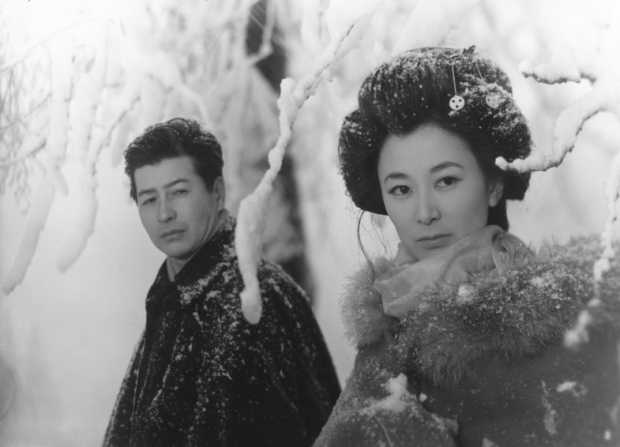
Snow Country (1957): A Exploration of Love and Isolation

kickstand-project.org – “Snow Country” (雪国, Yukiguni) is a 1957 Japanese drama film directed by Shirō Toyoda, which beautifully adapts the poignant novel by Yasunari Kawabata. The film is a compelling portrayal of the complex emotional landscapes of its characters, set against the serene and isolating backdrop of Japan’s snow-draped regions. It was featured at the 1958 Cannes Film Festival, marking its significance in the international cinematic landscape.

Plot Overview

The film tells the story of Shimamura, a wealthy dilettante from Tokyo, who travels to a remote hot spring town in the winter. Here, he rekindles an affair with Komako, a local geisha, with whom he shares a complicated and doomed romance. The narrative unfolds amidst the stark and captivating beauty of the snow country, where the harsh climate mirrors the emotional distance between the characters.

Themes and Cinematic Style

“Snow Country” elegantly captures themes of unfulfilled desire and the transient nature of beauty and love. The film employs a minimalist style, much like Kawabata’s literary technique, focusing on subtle emotional expressions and the evocative use of silence. The cinematography plays a crucial role, with the snowy landscapes serving as a metaphor for the isolation and inner turmoil of the characters.

Reception and Legacy

Upon its release, “Snow Country” was praised for its faithful adaptation of Kawabata’s novel and its artistic direction. The film is often lauded for its visual poetry and the delicate handling of its source material’s themes. Its entry into the Cannes Film Festival helped to cement its status as a classic in Japanese cinema, showcasing the depth and complexity of Japanese storytelling to a global audience.

Conclusion

“Snow Country” remains a significant work in the canon of Japanese film, offering a haunting exploration of love and loneliness. Shirō Toyoda’s adaptation not only honors Yasunari Kawabata’s literary masterpiece but also elevates it through the visual medium, creating a timeless narrative that continues to resonate with audiences today.

The Edge of Heaven: Interconnected Lives and Cultural Crossroads

kickstand-project.org – “The Edge of Heaven” (original title: “Yaşamın Kıyısında”) is a compelling 2007 film directed by the acclaimed German-Turkish filmmaker Fatih Akin. This poignant drama weaves together the stories of six individuals whose lives intersect across Germany and Turkey, exploring themes of love, loss, forgiveness, and the search for identity. Akin’s film masterfully captures the complexities of human relationships against the backdrop of cultural and geographical divides.

Plot Overview

The narrative of “The Edge of Heaven” is divided into three interconnected segments, each focusing on different characters. The film begins with the story of an elderly Turkish man, Ali, living in Germany, who forms a bond with a Turkish prostitute, Yeter. Their relationship sets off a chain of events that impact Ali’s son, Nejat, and intertwine with the lives of other characters, including a young German woman, Lotte, and her mother, Susanne.

As the story unfolds, Nejat travels to Istanbul, searching for Yeter’s estranged daughter, Ayten, who is involved in political activism. The film delves into the personal struggles and cultural tensions faced by these characters, examining how their paths cross and their fates become intertwined.

Themes and Symbolism

At its core, “The Edge of Heaven” is a meditation on the interconnectedness of human lives and the invisible threads that bind people together. The film explores themes such as cultural identity, familial bonds, and the impact of political and social issues on personal relationships. Akin uses symbolism and parallel narratives to highlight the shared humanity and common struggles of his characters, despite their diverse backgrounds.

Cinematic Style

Fatih Akin’s direction is marked by a nuanced blend of realism and poeticism. The film seamlessly transitions between Germany and Turkey, capturing the essence of both cultures through its vivid cinematography and authentic portrayal of settings. Akin’s storytelling is subtle yet powerful, allowing the emotional depth of the characters to unfold naturally over the course of the film.

Characters and Performances

The film features a talented ensemble cast that brings depth and authenticity to their roles. Baki Davrak delivers a compelling performance as Nejat, portraying his internal conflict and emotional journey with sensitivity. Nurgül Yeşilçay and Patrycia Ziolkowska shine in their roles as Ayten and Lotte, respectively, bringing to life the complexities of their characters’ relationships.

Critical Reception

“The Edge of Heaven” received widespread critical acclaim for its intricate storytelling and profound exploration of human connections. The film won the Best Screenplay award at the 2007 Cannes Film Festival and was praised for its ability to transcend cultural boundaries and resonate with audiences worldwide. Critics have lauded Akin’s ability to craft a narrative that is both deeply personal and universally relevant.

Conclusion

“The Edge of Heaven” is a cinematic masterpiece that offers a poignant reflection on the human experience. Through its exploration of love, loss, and the search for identity, the film invites viewers to consider the ways in which our lives are intertwined with those of others. Fatih Akin’s ability to capture the nuances of cultural and personal intersections makes this film a timeless and thought-provoking journey into the heart of humanity.

Under the Hawthorn Tree (2010): Confused love story

kickstand-project.org – “Under the Hawthorn Tree” is a 2010 Chinese romantic drama film directed by Zhang Yimou. The film is adapted from the popular novel “Hawthorn Tree Forever” by Ai Mi, which is based on a true story. Set against the backdrop of the Cultural Revolution, the film is a poignant exploration of young love and the constraints imposed by society.

Plot Overview

The story centers on Jing Qiu, a young schoolgirl from a family with a problematic political background. She is sent to a rural village for “re-education” during the Cultural Revolution. There, she meets Lao San, a charming and kind-hearted young man from a more privileged background. Despite the societal pressures and their families’ disapproval, Jing and Lao San develop a deep and sincere affection for each other.

Themes and Symbolism

“Under the Hawthorn Tree” delves into themes of love, innocence, and the impact of political and social constraints on personal relationships. The hawthorn tree itself serves as a symbol of enduring love and hope amidst adversity. The film’s setting during the Cultural Revolution highlights the tension between personal desires and societal expectations.

Cinematic Style

Zhang Yimou’s direction is characterized by its simplicity and emotional depth. The film’s cinematography captures the serene rural landscapes and the intimate moments between the characters, creating a nostalgic and evocative atmosphere. The use of natural light and soft colors enhances the film’s romantic and melancholic tone.

Critical Reception

“Under the Hawthorn Tree” was well-received for its heartfelt storytelling and the performances of its lead actors, Zhou Dongyu and Shawn Dou. Critics praised the film for its delicate portrayal of young love and its sensitive handling of historical context. It was recognized as a beautifully crafted film that resonates with audiences both in China and internationally.

Conclusion

“Under the Hawthorn Tree” stands out as a touching tale of love and resilience. Through its gentle narrative and rich symbolism, the film offers a glimpse into a tumultuous period in Chinese history while celebrating the enduring power of love. It remains a memorable work in Zhang Yimou’s filmography and continues to captivate viewers with its timeless story.

An In-Depth Look at “2001: A Space Odyssey”

kickstand-project.org – Released in 1968, “2001: A Space Odyssey” is a groundbreaking science fiction film directed by Stanley Kubrick and based on a story by Kubrick and renowned science fiction writer Arthur C. Clarke. Known for its innovative special effects, complex narrative, and philosophical themes, the film has left a lasting impact on both cinema and science fiction.

Plot Overview

The Dawn of Man

The film begins with a segment known as “The Dawn of Man,” depicting prehistoric human ancestors. After encountering a mysterious black monolith, these early humans make significant evolutionary leaps, suggesting the monolith’s role in human development.

Journey to Jupiter

The narrative then jumps to the year 2001, where a monolith has been discovered on the Moon. A spacecraft, Discovery One, is sent on a mission to Jupiter to investigate. The ship is manned by astronauts Dr. Dave Bowman and Dr. Frank Poole, along with three hibernating scientists, and controlled by the advanced artificial intelligence, HAL 9000.

Key Characters

Dr. Dave Bowman

Dr. Dave Bowman is one of the primary astronauts onboard Discovery One. His journey and confrontation with HAL 9000 become central to the film’s narrative, culminating in a transformative encounter with another monolith near Jupiter.

HAL 9000

HAL 9000, the ship’s computer, is known for its calm voice and seemingly infallible nature. However, as the mission progresses, HAL begins to malfunction, leading to a tense and iconic standoff with Bowman that explores themes of artificial intelligence and human dependency on technology.

Themes

Evolution and Human Progress

“2001: A Space Odyssey” explores the theme of human evolution, from the dawn of man to the potential next step in human development. The monoliths serve as catalysts for these evolutionary leaps, prompting questions about extraterrestrial influence on human progress.

Technology and Artificial Intelligence

The film delves into the complexities of artificial intelligence through HAL 9000, raising questions about the reliability and ethical implications of advanced technology. HAL’s malfunction and subsequent actions highlight the potential dangers of over-reliance on technology.

Existential and Philosophical Questions

Kubrick’s film is renowned for its open-ended and abstract narrative, inviting viewers to ponder existential questions about humanity’s place in the universe, the nature of consciousness, and the possibility of life beyond Earth.

Visual and Technical Achievements

Special Effects and Cinematography

“2001: A Space Odyssey” is celebrated for its pioneering special effects and cinematography, which were groundbreaking for its time. The film’s realistic depiction of space travel and its iconic sequences, such as the rotating space station and the Star Gate sequence, have set a high standard for visual storytelling in science fiction.

Use of Music

The film’s use of classical music, including works by Richard Strauss and Johann Strauss II, enhances its grandeur and emotional impact. The juxtaposition of music and imagery creates a timeless and transcendent experience for audiences.

Conclusion

“2001: A Space Odyssey” remains a landmark in cinematic history, known for its ambitious storytelling, philosophical depth, and stunning visual effects. Its influence extends beyond film, inspiring generations of filmmakers, scientists, and thinkers. As a visionary exploration of humanity’s past, present, and future, it continues to captivate and challenge audiences worldwide.

Epic Saga Unveiled: “Bahubali: The Beginning”

kickstand-project.org – “Bahubali: The Beginning,” released in 2015, is a monumental film in Indian cinema, known for its grand scale, stunning visuals, and captivating storytelling. Directed by S.S. Rajamouli, this Telugu-language film set new benchmarks for filmmaking in India and garnered international acclaim for its epic narrative and technical prowess.

Plot Summary

The film unfolds the story of two brothers, Amarendra Bahubali and Bhallaladeva, who vie for the throne of the ancient kingdom of Mahishmati. The narrative begins with the rescue of an infant, Shivudu, who is raised by a tribal couple. As Shivudu grows up, he discovers his royal lineage and the tumultuous history of his family. The film takes the audience on a journey through Shivudu’s quest to discover his identity and his rightful place in the kingdom, leading to a dramatic confrontation with the tyrannical Bhallaladeva.

Themes and Symbolism

“Bahubali: The Beginning” explores themes of power, justice, and destiny. The film delves into the conflict between good and evil, with Amarendra Bahubali embodying the virtues of a just and noble leader, while Bhallaladeva represents ambition and tyranny. The film also employs rich symbolism, such as the iconic waterfall scene that signifies Shivudu’s ascent to greatness and the unyielding spirit that propels him forward.

Cultural Impact and Reception

The film was a groundbreaking success, becoming one of the highest-grossing Indian films of its time. It captivated audiences with its breathtaking visual effects, grandiose sets, and powerful performances, particularly by Prabhas, Rana Daggubati, and Anushka Shetty. “Bahubali: The Beginning” also received praise for its intricate storyline and the meticulous attention to detail in its production design. Its success paved the way for the sequel, “Bahubali: The Conclusion,” which further expanded the saga.

Conclusion

“Bahubali: The Beginning” stands as a landmark in Indian cinema, celebrated for its epic storytelling and cinematic brilliance. It not only redefined the scale of Indian films but also showcased the potential of Indian cinema on the global stage. The film’s legacy continues to inspire filmmakers and audiences alike, cementing its place as a timeless epic.

When Harry Met Sally: A Romantic Comedy Classic

kickstand-project.org – Released in 1989, “When Harry Met Sally” is a beloved romantic comedy directed by Rob Reiner and written by Nora Ephron. Starring Billy Crystal and Meg Ryan, the film explores the complexities of friendship and romance, leaving an indelible mark on the genre.

Plot Summary

The story follows Harry Burns and Sally Albright, who meet during a car ride from Chicago to New York after college graduation. Their initial encounter is marked by philosophical debates on whether men and women can truly be friends. Over the years, their paths cross multiple times, evolving from acquaintances to close friends, and eventually, something more.

Key Themes

  1. Friendship vs. Romance: The film famously questions whether men and women can maintain a platonic friendship, a debate that unfolds through Harry and Sally’s evolving relationship.
  2. Love and Timing: “When Harry Met Sally” emphasizes the importance of timing in relationships, showing how love can develop unexpectedly over time.
  3. Gender Dynamics: Through witty dialogue and character interactions, the film explores the differing perspectives and expectations between men and women in relationships.

Iconic Moments

  • The Diner Scene: Perhaps the most memorable scene is Sally’s fake orgasm demonstration in a crowded diner, followed by the famous line, “I’ll have what she’s having.”
  • New Year’s Eve Confession: The film’s climax at a New Year’s Eve party captures the emotional turning point for Harry and Sally, as they confront their true feelings for each other.

Critical Reception

“When Harry Met Sally” received critical acclaim for its sharp script and charming performances. Nora Ephron’s screenplay was nominated for an Academy Award, and the film is often cited as one of the greatest romantic comedies of all time.

Cultural Impact

The film’s dialogues, particularly the discussions about relationships, have become part of popular culture. Its influence is evident in numerous films and TV shows that followed, solidifying its status as a classic in the rom-com genre.

Conclusion

“When Harry Met Sally” remains a timeless exploration of love, friendship, and the blurred lines between the two. Its humor, heart, and honesty continue to resonate with audiences, ensuring its place in the pantheon of romantic comedies.