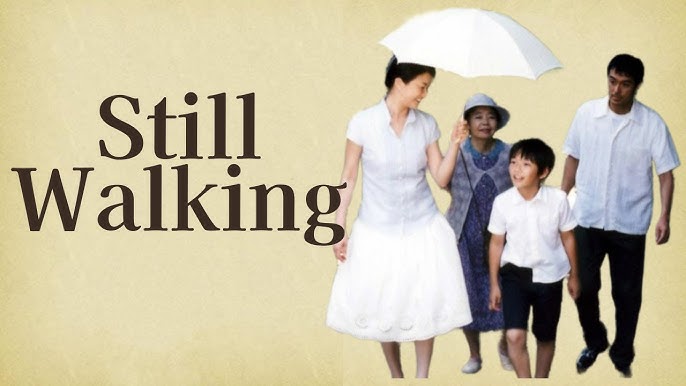
kickstand-project.org – Still Walking (2008), directed by Hirokazu Kore-eda, is a tender and introspective film that explores the dynamics of a family coming together for a reunion. Set over the course of a single day, the film delicately unpacks themes of memory, grief, and the complexities of family relationships. With its subtle direction, heartfelt performances, and nuanced portrayal of human emotion, Still Walking has been widely praised for its compassionate look at the everyday struggles and quiet moments that define family life.
Through a simple, yet profound narrative, Kore-eda presents a family that is united not only by love but also by the weight of past tragedies and unspoken tensions. The film is a meditation on the ways in which families cope with loss, how memories shape relationships, and how unresolved emotions can linger, even in the most ordinary of circumstances.
Plot Overview: A Family Reunion Touched by the Past
The film takes place on the anniversary of the death of the eldest son, Junpei, who drowned years earlier while saving a child. The Yokoyama family, still grieving the loss, gathers at the family home to mark the occasion. The central characters are the parents, the aging Kyohei (Isao Hashizume) and his wife, Toshiko (Kirin Kiki), who are both still haunted by the tragedy, and their surviving children: Ryota (Hiroshi Abe), a doctor who has returned to visit with his wife, Yukari (Yui Natsukawa), and their young son, and his younger sister, Chinami (You).
As the day unfolds, the film explores the quiet, often unspoken tensions between the family members. Ryota, who left his family years ago and became somewhat distant, struggles to reconcile with his parents and his own sense of guilt over Junpei’s death. His wife, Yukari, is also caught in the emotional landscape of the family, trying to navigate the delicate dynamics and find her place.
The reunion is marked by routine activities—meals are prepared, memories are shared, and old grievances are aired. The film lingers in the small, everyday moments of family life, portraying how the past and present continuously intertwine, creating a sense of nostalgia and unresolved grief. Through these interactions, Still Walking reveals the complex emotional terrain of family life, where love, resentment, and memory coexist.
Themes: Memory, Grief, and the Complexity of Family Bonds
The Weight of Memory and Loss
At the heart of Still Walking is the theme of memory, particularly how the memories of a lost loved one continue to shape and affect those left behind. Junpei’s death looms over the family, and his absence is a constant undercurrent to the gathering. Each family member is affected by the tragedy in different ways, and the film captures the emotional complexity of how people process grief over time.
The parents, especially Kyohei, are still mourning the loss of their eldest son, and their relationship with Ryota is strained by their inability to move past the tragedy. Ryota, who was a teenager at the time of the drowning, feels a sense of guilt for not being able to save his brother and for the distance that has grown between him and his parents. The unresolved grief affects the entire family, creating a sense of emotional stagnation where the past remains alive, preventing them from fully moving forward.
Kore-eda explores how grief doesn’t just fade over time but becomes a part of the family’s fabric, quietly influencing their relationships and interactions. The film’s restrained pacing allows for a subtle portrayal of how grief manifests in the ordinary, often unnoticed moments of daily life. Through small gestures, glances, and conversations, Still Walking portrays how memory—both cherished and painful—shapes the way people live with one another.
Family Dynamics and Unspoken Tensions
The film also delves into the complex dynamics of family relationships, particularly the tensions that arise between parents and children. There is a noticeable divide between Ryota and his parents, particularly his father Kyohei, whose expectations for Ryota’s life seem to linger over him. Ryota’s choice to become a doctor and his decision to live far from home add to the strain in their relationship, as Kyohei is often critical and disappointed in his son’s choices, seeing him as detached from the family.
Meanwhile, Ryota’s guilt over his brother’s death and his decision to leave his family behind creates a sense of distance between him and the rest of the family. Ryota’s attempts to reconnect with his parents are hindered by the weight of the past and the unspoken resentment that still lingers. The film captures these moments of tension with a delicate touch, allowing the audience to feel the strain without explicitly stating it.
There is also a sense of reconciliation in the family, particularly with Ryota’s interactions with his aging parents. The film doesn’t resolve all of the emotional conflicts, but it shows how small gestures of care and understanding can provide moments of healing. Through these interactions, Kore-eda emphasizes the subtle nature of familial love, where sometimes it’s not the big declarations of affection that matter but the quiet, unspoken moments that signify care and connection.
Aging and the Passing of Time
Another important theme in Still Walking is the inevitability of aging and the passage of time. The parents, Kyohei and Toshiko, are both older and more reflective, dealing with the physical and emotional effects of growing old. Kyohei is a former doctor who now seems to be losing his sharpness, while Toshiko works tirelessly in the home, despite her age. They represent the older generation who have seen much of their lives pass and who are now facing the realization that time is slipping away.
Kore-eda addresses the idea that time and death do not stop for anyone, and as the parents grow older, the children are forced to confront the reality of their own mortality and their parents’ decline. The film captures the passing of time through small, poignant details—like Kyohei’s deteriorating health and the gentle, sometimes painful moments of old age. These details underscore the sense of inevitability and the way in which life moves forward, even when we are not ready for it.
The passage of time is also reflected in the everyday routines of the family, such as the meals they prepare together and the simple, repetitive acts of care. These moments serve as a reminder of the continuity of life, even amid grief and unresolved emotional tensions.
Cinematic Style: Subtle, Humanistic Storytelling
Kore-eda’s direction in Still Walking is marked by its subtle, naturalistic style. The film takes a minimalist approach, focusing on the small, everyday moments that shape the family’s life. There are no grand gestures or dramatic confrontations; instead, the film relies on quiet interactions, lingering shots, and close-ups to capture the emotions of the characters.
The film’s pacing is slow, allowing for a deep exploration of the characters’ inner lives and the complex emotions they experience. Kore-eda’s use of long takes and static shots contributes to the sense of stillness, as the characters are left alone with their thoughts and memories. This deliberate pacing invites the audience to fully immerse themselves in the family’s world, fostering a deep emotional connection to the characters and their struggles.
The cinematography, by Yutaka Yamazaki, is understated but beautiful, capturing the warmth and intimacy of the family home. The film’s natural lighting and simple compositions reflect the grounded, realistic tone of the story, while also highlighting the emotional depth of the characters’ experiences.
The performances in Still Walking are exceptional, with each actor bringing a depth of emotion to their role. Hiroshi Abe’s portrayal of Ryota, in particular, stands out, capturing his character’s internal conflict and desire for reconciliation with his parents. Kirin Kiki and Isao Hashizume are equally powerful as the aging parents, conveying a sense of quiet sorrow and love for their children.
Legacy and Impact: A Universally Resonant Portrait of Family
Still Walking has been widely acclaimed for its quiet, nuanced exploration of family dynamics and the emotional complexity of grief. The film has resonated with audiences around the world for its universal themes and its sensitive portrayal of the ways in which people cope with loss and navigate the difficult terrain of family relationships.
Kore-eda’s work is often lauded for its humanistic approach, and Still Walking is no exception. The film’s emotional honesty and its ability to find beauty in the mundane have made it a modern classic. It continues to be regarded as one of Kore-eda’s finest works, further cementing his reputation as a master of intimate, character-driven storytelling.
Conclusion: A Quiet, Moving Exploration of Love and Loss
Still Walking (2008) is a deeply moving and introspective film that captures the complexity of family life, the weight of memory, and the process of coming to terms with grief. Through its subtle storytelling, exceptional performances, and compassionate exploration of human relationships, the film offers a powerful reflection on the passage of time and the enduring bonds that shape our lives. It is a timeless, universal portrait of love, loss, and the quiet moments that define family.