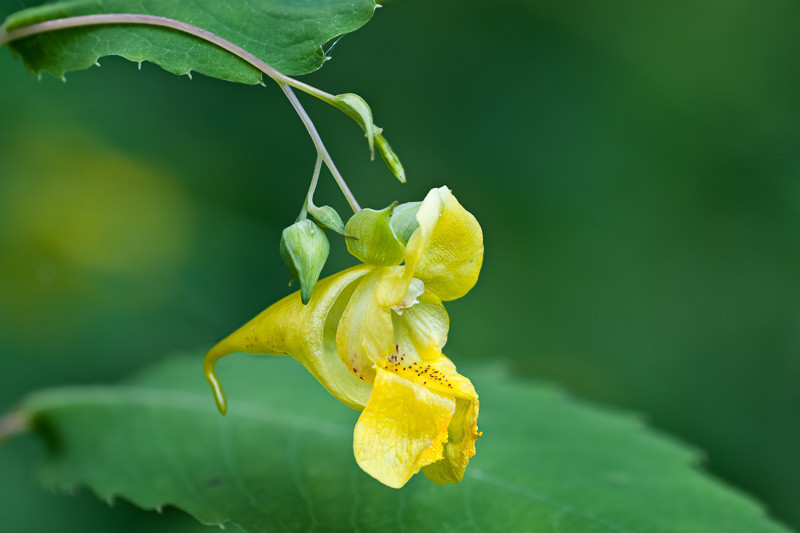
Yellow Jewelweed Flower: Vibrant Beauty with Medicinal Benefits

kickstand-project.org – Yellow Jewelweed (Impatiens pallida), often called pale touch-me-not, is a vibrant and unique flowering plant native to North America. Known for its bright yellow blossoms and unique ability to thrive in damp, shaded environments, Yellow Jewelweed is a popular addition to wildflower gardens, natural landscapes, and herbal gardens. Beyond its striking appearance, this plant has been cherished for centuries for its medicinal properties, particularly in soothing skin irritations. Whether for its beauty or its therapeutic uses, Yellow Jewelweed is a remarkable plant with a rich history.

Appearance and Characteristics

Yellow Jewelweed is an annual plant that typically grows between 2 to 4 feet (60 to 120 cm) tall, with a slightly spreading habit. Its lance-shaped, serrated leaves are soft and light green, providing an attractive backdrop for the vibrant yellow flowers that bloom in late spring to summer.

The flowers are the highlight of this plant, featuring a distinctive trumpet shape with irregular, spurred petals. The bright yellow flowers are adorned with orange spots or markings near the base, giving them a jewel-like appearance—hence the common name “Jewelweed.” These blooms attract pollinators like bees and hummingbirds, contributing to the plant’s role in supporting local ecosystems.

The plant also has an interesting feature: its seed pods. When ripe, the pods are very sensitive to touch and will burst open when disturbed, launching the seeds several feet away. This mechanism has earned the plant the alternative name “touch-me-not,” as the pods can be triggered by even a light touch.

Growing and Caring for Yellow Jewelweed

Yellow Jewelweed thrives in moist, shaded environments, making it a perfect choice for wildflower gardens or areas with damp soil. It is relatively easy to grow and care for, but here are some tips to ensure it thrives in your garden:

  1. Light Requirements: Yellow Jewelweed prefers partial to full shade, though it can tolerate some morning sunlight. It thrives in woodland settings where it can be shielded from the harsh midday sun. In hotter climates, providing shade during the hottest part of the day helps prevent wilting or stress.
  2. Soil: This plant thrives in rich, moist, well-drained soil. It is commonly found in riparian zones, near streams, or in areas with high moisture content. Jewelweed does not tolerate dry, sandy, or compacted soils, so ensure the soil retains moisture, especially during the growing season.
  3. Watering: As a moisture-loving plant, Yellow Jewelweed requires consistent watering, particularly during hot and dry periods. While it can tolerate occasional drying, it does best when the soil is kept consistently moist. Water the plant deeply and regularly, especially in the summer.
  4. Temperature and Humidity: Yellow Jewelweed grows well in temperate climates and thrives in areas with moderate humidity. It is cold-hardy in USDA hardiness zones 3 through 9, making it suitable for a wide range of environments. In extremely hot or dry climates, it’s important to provide adequate shade and moisture to support the plant’s growth.
  5. Fertilization: This plant generally does not require heavy fertilization. Adding organic matter, such as compost, to the soil at planting time will provide it with the necessary nutrients. Over-fertilizing can lead to excessive foliage growth with fewer flowers, so it’s best to err on the side of minimal feeding.
  6. Pruning: While Yellow Jewelweed doesn’t require regular pruning, removing dead or spent flowers can help encourage new growth and improve the overall appearance of the plant. Since it self-seeds readily, you may also want to manage its spread to prevent it from overtaking other plants.

Medicinal Uses of Yellow Jewelweed

Yellow Jewelweed has a long history of use in herbal medicine, particularly for its soothing effects on the skin. Native American tribes were among the first to use the plant to treat skin conditions, and its popularity continues in modern herbal practices.

The plant contains compounds such as anthraquinones and alkaloids, which are believed to have anti-inflammatory and soothing properties. The most common uses of Yellow Jewelweed include:

  • Treating Poison Ivy and Oak: One of the most popular uses of Yellow Jewelweed is to relieve the itching and irritation caused by poison ivy, poison oak, or poison sumac. The plant’s juice or crushed leaves can be applied directly to the skin to reduce inflammation and relieve itching.
  • Soothing Skin Irritations: Jewelweed has been traditionally used to alleviate various skin irritations, including rashes, insect bites, and stings. Its anti-inflammatory and cooling properties help reduce redness and discomfort.
  • Relieving Sunburn: The plant’s natural cooling effects can be used to soothe mild sunburns, helping to calm inflamed skin and reduce discomfort.
  • Bruises and Minor Cuts: In some cases, Yellow Jewelweed has been used as an herbal remedy for bruises, minor cuts, or abrasions. Its anti-inflammatory compounds can promote healing and reduce swelling in the affected area.

While Yellow Jewelweed is widely regarded for its medicinal properties, it is important to use caution and consult with a healthcare provider before using any plant-based remedies. Some individuals may experience allergic reactions, so it’s important to perform a patch test before using the plant on larger areas of skin.

Attracting Pollinators and Supporting Local Ecosystems

Yellow Jewelweed plays an important role in supporting local ecosystems, particularly by attracting pollinators. The bright, tubular flowers are especially attractive to hummingbirds and bees, who help pollinate the plant as they feed on its nectar. In turn, the plant provides vital food resources for these pollinators, contributing to biodiversity in the garden.

Additionally, Jewelweed serves as a habitat for small wildlife. The plant’s dense foliage can offer shelter to insects and other small creatures, making it a beneficial plant in creating a healthy, balanced garden ecosystem.

Pests and Problems

Yellow Jewelweed is generally pest-resistant, but it can occasionally face challenges from slugs and snails, which are drawn to its tender leaves. If necessary, use natural pest control methods, such as diatomaceous earth, to deter these creatures.

The plant is also susceptible to fungal diseases such as downy mildew or powdery mildew, particularly in overly wet or humid conditions. To minimize the risk of disease, avoid overcrowding plants and ensure good air circulation around the Jewelweed. If mildew is present, prune affected leaves and apply a fungicide as needed.

Conclusion

Yellow Jewelweed is a stunning and versatile plant that brings beauty and ecological benefits to gardens. With its vibrant yellow flowers, unique seed pods, and medicinal properties, it’s a remarkable addition to any wildflower garden or shaded landscape. Whether you’re planting it for its beauty, its ability to attract pollinators, or its traditional medicinal uses, Yellow Jewelweed offers a range of benefits for gardeners and nature enthusiasts alike.

However, it’s important to use this plant with care, especially when handling it for medicinal purposes, as some individuals may be sensitive to its compounds. By incorporating Yellow Jewelweed into your garden, you not only enjoy a beautiful flower but also contribute to a thriving, diverse ecosystem.

Star Jasmine Flower: A Fragrant and Versatile Climber

kickstand-project.org – Star Jasmine (Trachelospermum jasminoides), also known as Confederate Jasmine, is a popular flowering vine known for its fragrant, star-shaped blooms and lush, evergreen foliage. Native to East Asia, particularly China and Japan, this versatile climber has become a favorite in gardens and landscapes across the world. With its sweet fragrance, glossy green leaves, and delicate white flowers, Star Jasmine is perfect for adding a touch of elegance to any outdoor space. It can be grown as a vine, ground cover, or even as a shrub, making it a flexible choice for a variety of garden designs.

Physical Characteristics of Star Jasmine

Star Jasmine is a woody, evergreen vine that typically grows 10 to 15 feet in length, though it can be pruned to maintain a more compact size. The plant produces glossy, dark green leaves that are oval-shaped and leathery in texture. These leaves provide a rich, deep background that makes the flowers stand out even more.

The flowers of Star Jasmine are its most distinctive feature. They are small, star-shaped blooms that appear in clusters, typically in late spring or early summer. Each flower is white with five pointed petals, and they are known for their intense, sweet fragrance. The scent is often compared to the fragrance of traditional jasmine, making it a favorite for gardeners seeking a fragrant climber.

After the flowers fade, the plant produces small, dark berries that add an additional decorative element to the plant. Although not typically a significant feature, these berries provide a visual interest and can attract birds to your garden.

Growing Conditions and Care

Star Jasmine is relatively easy to grow and care for, making it a great choice for both novice and experienced gardeners. It thrives in full sun to partial shade, though it will bloom best when exposed to full sun. The plant enjoys well-draining, slightly acidic soil and prefers moderate to high humidity, which is often found in temperate climates.

  1. Light: Star Jasmine thrives in bright, indirect sunlight. While it can tolerate partial shade, it will not flower as abundantly as when grown in full sun. Plant it in a location where it receives at least 4 to 6 hours of sunlight each day for the best results.
  2. Temperature: This plant is suited to mild climates and can be grown in USDA hardiness zones 8 to 10. It prefers temperatures between 60°F and 75°F (15°C to 24°C) during the growing season. Star Jasmine is somewhat frost-tolerant but may be damaged by freezing temperatures, so it should be protected in colder climates or grown in containers that can be brought indoors during winter.
  3. Soil: Star Jasmine prefers well-draining soil that is rich in organic matter. It can grow in a variety of soil types, including loamy, sandy, and clay soils, but it does best in slightly acidic soil with a pH between 6.0 and 7.0. If the soil is too alkaline, the plant may show signs of nutrient deficiencies.
  4. Watering: Star Jasmine requires regular watering, especially during dry periods, but it does not tolerate waterlogged soil. Allow the top few inches of soil to dry out between waterings, and be sure to provide good drainage in the planting area. In containers, ensure that the pot has adequate drainage holes to prevent root rot.
  5. Fertilization: To encourage healthy growth and abundant flowers, Star Jasmine benefits from regular fertilization during the growing season. Use a balanced, slow-release fertilizer in the spring and again in early summer. Avoid over-fertilizing, as this can lead to excessive foliage growth with fewer flowers.
  6. Pruning: Pruning is important to maintain the shape and health of Star Jasmine, especially if it is grown as a vine. Regular pruning helps control its size and encourages better flowering. After the plant finishes blooming, trim back any dead or damaged growth and remove any excess stems to keep the vine manageable. If the plant becomes too large, it can be pruned more heavily to reshape it.

Flowering and Maintenance

Star Jasmine typically blooms in late spring to early summer, producing clusters of white, star-shaped flowers that release a sweet, intoxicating fragrance. The flowers are often most fragrant during the evening hours, making them especially pleasant when planted near outdoor seating areas or along garden paths.

After flowering, the plant produces small berries that gradually ripen to dark purple or black. While the berries are not typically a standout feature, they can add visual interest to the plant and attract birds to your garden.

During the growing season, it is important to maintain adequate watering, especially during hot, dry spells. Star Jasmine may go through a brief resting period in the fall after blooming, at which point watering can be reduced, and fertilization can be stopped. Keep an eye out for pests such as aphids or scale insects, which can sometimes infest the plant. Regular inspection and gentle cleaning of the leaves with a damp cloth can help keep the plant free of pests.

Varieties of Star Jasmine

Though Trachelospermum jasminoides is the most common variety, there are several cultivars and varieties available, offering different growth habits and flower colors:

  • ‘Variegatum’: This cultivar features variegated leaves with green and creamy white stripes. The white flowers are complemented by the striking foliage, making it an attractive choice for adding contrast to the garden.
  • ‘Pink Jasmine’ (Trachelospermum jasminoides ‘Pink’): Known for its pinkish hue, this variety has flowers that open white and gradually turn pink as they mature. It offers the same sweet fragrance and climbing nature as the regular Star Jasmine.
  • ‘Alba’: This cultivar produces pure white flowers and has a slightly more compact growth habit compared to the species. It is ideal for smaller spaces or container gardening.

Uses in Landscaping

Star Jasmine is a versatile plant that can be used in a variety of landscaping applications. Its fragrant flowers, evergreen foliage, and vigorous growth habit make it perfect for several design elements:

  • Trellises and Arbors: Star Jasmine is commonly grown as a climbing vine on trellises, fences, or arbors. Its ability to cover structures quickly and gracefully makes it ideal for adding vertical interest to your garden or creating privacy screens.
  • Ground Cover: When grown as a ground cover, Star Jasmine can spread rapidly, forming a dense mat of evergreen foliage. This can help suppress weeds while adding beauty to garden beds, walkways, or under trees.
  • Hanging Baskets and Containers: Star Jasmine can be grown in hanging baskets or containers, where it will spill over the edges and create a cascading effect. This is a great way to incorporate it into small spaces or patios.
  • Flower Beds and Borders: The plant’s glossy green leaves and fragrant flowers make it an attractive addition to flower beds and borders. It pairs well with other low-maintenance plants and adds a touch of elegance to the landscape.

Ecological Role

Star Jasmine plays an important ecological role by attracting pollinators such as bees, butterflies, and hummingbirds. The fragrant flowers provide a rich nectar source, which is particularly beneficial for pollinator populations in the garden. Additionally, the dense foliage provides shelter and nesting opportunities for small birds and insects.

Conclusion

Star Jasmine is a highly versatile and beautiful flowering vine that offers a wide range of benefits for gardeners. Its fragrant, star-shaped flowers, glossy evergreen leaves, and ability to thrive in various conditions make it a fantastic choice for a variety of landscaping applications. Whether used as a climber, ground cover, or container plant, Star Jasmine adds a touch of elegance, fragrance, and beauty to any garden or outdoor space. With its ease of care, resistance to pests, and year-round appeal, Star Jasmine is a must-have plant for anyone looking to enhance their landscape with a fragrant and visually captivating climber.

Quesnelia Flower: A Vibrant Bromeliad for Your Tropical Garden

kickstand-project.org – The Quesnelia flower, a striking member of the Bromeliaceae family, is known for its vibrant colors and unique, exotic appearance. Native to Central and South America, this tropical plant thrives in warm, humid climates and is a popular choice for gardeners seeking to add a bold, dramatic flair to their gardens or indoor spaces. The Quesnelia is admired not only for its vivid flowers but also for its attractive foliage, making it a versatile addition to any tropical or subtropical garden. Whether grown outdoors in the right conditions or cultivated as an indoor houseplant, the Quesnelia offers year-round beauty and is relatively low-maintenance, making it an ideal choice for both beginner and experienced gardeners alike.

Physical Characteristics

Quesnelia is a genus of bromeliads that features several species, most notably Quesnelia testudo, which is one of the more common varieties grown for its ornamental beauty. The plant typically grows to a height of around 1 to 2 feet (30 to 60 cm), with a rosette of narrow, lance-shaped leaves. The leaves are often a rich green but can sometimes exhibit reddish or purplish hues, adding depth and color to the plant’s overall appearance.

The most striking feature of the Quesnelia flower is its brilliant inflorescence. The flowers are tubular and appear in dense, conical clusters. These clusters can be red, orange, or purple, depending on the species and cultivar. The plant’s blooming period varies depending on growing conditions, but generally, Quesnelia flowers bloom in late spring to early summer. The flower spikes are often surrounded by colorful bracts that intensify the color of the flowers, adding to their dramatic appearance. After flowering, the plant produces small, inconspicuous seeds, although many gardeners propagate Quesnelia by offshoots, or “pups,” that grow from the base of the plant.

Growing Conditions

Quesnelia is well-suited to tropical and subtropical climates but can also be grown as an indoor plant in cooler regions. It prefers warm temperatures and high humidity, with ideal growing conditions between 65°F to 80°F (18°C to 27°C). While it thrives in bright, indirect light, direct sunlight can scorch the leaves, so it is best to provide filtered light or partial shade.

Like other bromeliads, Quesnelia is an epiphytic plant, meaning it can grow on other plants, but it also does well when planted in a well-drained, acidic potting mix. For outdoor cultivation, Quesnelia is best suited to areas with well-drained, sandy or loamy soil. If growing indoors, a mix designed for orchids or bromeliads will provide the best drainage. It’s important to avoid overwatering, as excessive moisture can cause root rot. Watering should be done in the central “tank” formed by the rosette of leaves, as well as around the base of the plant, but the soil should not remain soggy.

Quesnelia is relatively low-maintenance but does require regular misting or humidification to mimic its natural, humid environment. If growing indoors, placing the plant on a humidity tray or near a humidifier can help maintain the necessary moisture levels. While it can tolerate brief periods of dryness, consistent humidity and adequate moisture are key to keeping the plant healthy and vibrant.

Uses in Gardening and Landscaping

The Quesnelia flower is a stunning ornamental plant, ideal for adding a touch of the tropics to both indoor and outdoor spaces. As a low-growing, compact plant, it is perfect for container gardening, hanging baskets, or as an accent plant in tropical or subtropical landscapes. Quesnelia’s dramatic flower spikes make it a standout in garden beds, where it can be planted alongside other colorful bromeliads or tropical plants such as ferns, orchids, or flowering shrubs.

For gardeners in cooler climates, Quesnelia can be cultivated as an indoor plant in bright rooms or greenhouses. It adds a striking touch to living rooms, conservatories, or sunrooms, and can be placed in decorative pots or even mounted on logs or other supports to mimic its epiphytic growing habit. The plant’s ability to thrive in low light and its striking visual appeal make it an excellent choice for both home décor and tropical garden themes.

Care and Maintenance

Quesnelia is generally easy to care for as long as its basic needs are met. Here are some tips for maintaining a healthy plant:

  • Watering: Water the plant regularly, but avoid letting the soil become waterlogged. Always water into the central “tank” of the rosette and allow the water to drain freely. If growing indoors, make sure the plant has good drainage to avoid stagnant water at the base.
  • Light: Provide bright, indirect light for optimal growth. Avoid placing the plant in direct sunlight, which can scorch the leaves.
  • Humidity: Keep the humidity levels high by misting the plant regularly or placing it in a humid environment.
  • Fertilizing: During the growing season, feed the plant with a diluted, water-soluble fertilizer formulated for bromeliads or orchids. Avoid over-fertilizing, as this can harm the plant.
  • Propagation: After flowering, Quesnelia produces offsets or pups at the base of the plant. These pups can be carefully removed and potted up to grow into new plants, allowing for easy propagation.

Ecological Importance

Quesnelia, like other bromeliads, plays a role in supporting the local ecosystem in its native habitats. Bromeliads provide shelter and a water reservoir for a variety of creatures, including frogs, insects, and small reptiles, which can live in the “tanks” formed by the rosettes of leaves. In addition, the bright flowers of Quesnelia attract pollinators like hummingbirds, bees, and butterflies, helping to maintain biodiversity in tropical ecosystems.

Conclusion

The Quesnelia flower is a beautiful and hardy addition to any garden or indoor space, offering a burst of color and drama with its striking blooms and lush foliage. Whether cultivated outdoors in a tropical or subtropical landscape or as an eye-catching indoor plant, Quesnelia thrives in conditions that mimic its native environment. Its easy care and ability to brighten any room make it an ideal choice for both beginner and experienced gardeners. With its exotic appearance and vibrant flowers, the Quesnelia flower is sure to add a tropical flair to your home or garden.

Ice Plant Flower: A Hardy Beauty for Dry Gardens

kickstand-project.org – Ice plants, known for their bright, vibrant flowers and low-maintenance nature, are an excellent choice for gardeners seeking drought-tolerant plants that add both beauty and texture to their landscapes. These hardy, succulent plants are perfect for creating colorful ground covers, rock gardens, or border plantings, and they thrive in arid conditions, making them ideal for dry climates. In this article, we will explore the characteristics, growing conditions, varieties, and care of the Ice Plant flower, and why it’s a great addition to any garden.

Characteristics of the Ice Plant Flower

The Ice Plant (Delosperma), a member of the Aizoaceae family, is known for its striking, daisy-like flowers that bloom profusely in a wide range of colors, including pink, purple, red, white, and yellow. The plant’s flowers open in the full sun and close up at night, adding a dynamic element to the garden.

The Ice Plant gets its name from the way its fleshy, glistening leaves sparkle in the sunlight, resembling ice crystals. These succulent leaves are thick and fleshy, helping the plant conserve water, making it highly drought-tolerant. In addition to its vibrant flowers, Ice Plants have a low-growing, spreading habit, making them excellent ground covers or fillers for rocky or sandy soils.

Ice Plants are typically evergreen, providing year-round interest in the garden. They are also known for their ability to thrive in poor soils, which makes them ideal for xeriscaping or water-wise gardening.

Ideal Growing Conditions

Ice Plants are incredibly adaptable and can thrive in various climates, particularly in regions with hot, dry summers. Here are the key growing conditions to help your Ice Plant flourish:

  • Sunlight: Ice Plants love full sun and need at least 6 hours of direct sunlight each day to bloom profusely. The more sunlight they receive, the more vibrant their flowers will be. They are not suited for shady locations, as this can lead to sparse flowering and poor growth.
  • Soil: While Ice Plants can tolerate a range of soil types, they prefer well-drained, sandy, or rocky soil. They do not do well in heavy, clay soils that retain moisture. Amending the soil with sand or gravel can improve drainage, helping prevent root rot.
  • Watering: Being succulent plants, Ice Plants are highly drought-tolerant once established. Water them deeply but infrequently, allowing the soil to dry out completely between waterings. Overwatering can lead to root rot, so it’s important to avoid soggy conditions. Ice Plants are particularly well-suited to dry climates and require minimal watering once they are established.
  • Temperature: Ice Plants thrive in USDA hardiness zones 5 through 9. They are well-suited to warm, arid climates but can tolerate cooler temperatures, especially if they are well-drained. They can withstand some frost but may need protection during extreme cold temperatures.
  • Fertilizing: Ice Plants generally do not require heavy fertilizing. Too much fertilizer can lead to excessive growth and fewer flowers. A light application of a balanced, slow-release fertilizer in the spring can help promote healthy growth and blooms.

Varieties of Ice Plant Flowers

There are several species and cultivars of Ice Plant, each with different flower colors, growth habits, and hardiness. Here are a few popular varieties:

  1. Delosperma cooperi (Purple Ice Plant): One of the most well-known and widely grown varieties, Delosperma cooperi features bright purple-pink flowers that bloom from spring to summer. This variety is known for its spreading habit and is an excellent ground cover for hot, dry areas.
  2. Delosperma nubigenum (Yellow Ice Plant): This variety produces cheerful yellow flowers and has a more compact growth habit compared to Delosperma cooperi. It’s perfect for hanging baskets, containers, or as a low-growing ground cover.
  3. Delosperma ‘Fire Spinner’: This cultivar features vibrant orange and yellow flowers that resemble flames, adding a fiery burst of color to the garden. It’s a popular choice for adding contrast to other drought-tolerant plants.
  4. Delosperma ‘Razzleberry’: Known for its striking purple-pink blooms, Razzleberry is a compact, hardy variety that forms dense mats of flowers. This variety is ideal for smaller gardens, rock gardens, or as a container plant.
  5. Delosperma ‘Jewel of the Desert’ Series: This series of Ice Plants features a range of colors, from deep purple to hot pink, and is prized for its compact size and prolific blooms. It’s perfect for edging or as a ground cover in sunny, dry locations.

Benefits of Growing Ice Plant Flowers

Ice Plants offer a variety of benefits, making them a great addition to gardens, particularly those in dry or drought-prone areas:

  • Drought Tolerance: Ice Plants are incredibly drought-tolerant once established, making them ideal for xeriscaping or water-wise gardens. Their succulent leaves store water, allowing the plant to withstand dry conditions without the need for frequent watering.
  • Attracts Pollinators: The vibrant flowers of Ice Plants attract bees, butterflies, and other pollinators to your garden. These plants are an excellent choice for creating a pollinator-friendly garden that supports local ecosystems.
  • Low Maintenance: Ice Plants are easy to care for and require minimal attention. They are relatively pest-resistant and are not prone to diseases, making them a low-maintenance option for gardeners.
  • Erosion Control: Due to their spreading nature and ability to thrive in poor soils, Ice Plants are often used for erosion control. They are particularly effective at stabilizing slopes, hillsides, or sandy areas where other plants might struggle to establish themselves.
  • Year-Round Interest: Many varieties of Ice Plant are evergreen, providing year-round color and texture in the garden. Even when not in bloom, their fleshy, succulent leaves offer visual interest and structure to the landscape.

Creative Garden Uses

Ice Plants can be used in a variety of ways to add beauty and functionality to your garden. Here are some creative ideas for incorporating Ice Plants into your landscape:

  • Ground Cover: Ice Plants make excellent ground covers, particularly for dry, sunny areas. Their spreading habit allows them to cover large areas quickly, reducing the need for grass and other high-maintenance plants.
  • Rock Gardens: The succulent nature of Ice Plants makes them ideal for rock gardens. Their ability to thrive in well-drained, sandy soil allows them to flourish in the cracks and crevices of rocks, adding a splash of color to otherwise barren spaces.
  • Container Plants: Ice Plants thrive in containers, making them a perfect choice for patios, balconies, and other small spaces. Their vibrant flowers and trailing growth habit make them a stunning addition to hanging baskets, window boxes, or mixed plantings.
  • Erosion Control: If you have slopes or areas with poor soil, Ice Plants can help prevent erosion by stabilizing the soil and providing ground cover. Their ability to thrive in challenging conditions makes them an ideal choice for these difficult spots.
  • Pollinator Gardens: With their nectar-rich flowers, Ice Plants are a great addition to a pollinator garden. Combine them with other drought-tolerant plants, such as lavender, sage, and coneflowers, to create a vibrant, pollinator-friendly garden.

Conclusion

The Ice Plant flower is a hardy, drought-tolerant plant that offers vibrant color and texture to gardens in dry climates. With its beautiful, daisy-like blooms, succulent leaves, and low-maintenance care requirements, it’s a perfect choice for xeriscaping, ground covers, and rock gardens. Whether you’re looking to attract pollinators, create a water-wise garden, or add color to an arid landscape, Ice Plants are an excellent option that will provide years of beauty with minimal effort. Their unique ability to sparkle in the sun and bloom profusely throughout the summer makes them a delightful addition to any garden.

Common Lilac Flower: A Fragrant Symbol of Spring

kickstand-project.org – The Common Lilac (Syringa vulgaris) is a beloved deciduous shrub that heralds the arrival of spring with its stunning clusters of fragrant, purple flowers. Renowned for its vibrant color, intoxicating scent, and hardy nature, the common lilac is a favorite in gardens, landscapes, and as a cut flower in floral arrangements. Its beauty and scent have made it a symbol of love, renewal, and memories, earning it a place in the hearts of gardeners and nature enthusiasts alike.

Botanical Description

The Common Lilac is a deciduous shrub that typically grows to a height of 8 to 15 feet (2.5 to 4.5 meters) with a spread of 5 to 12 feet (1.5 to 3.7 meters). It has a bushy growth habit, with opposite leaves that are heart-shaped or oval, and they turn a rich green during the growing season. As the seasons change, the leaves may transition to shades of yellow or purple in the fall.

The standout feature of the common lilac is its clusters of small, tubular flowers, which bloom in late spring to early summer. The flowers are typically shades of lavender, violet, or purple, though some varieties may also produce white or pink flowers. Each flower cluster, known as a panicle, can range in size from 4 to 8 inches (10 to 20 cm) in length and is densely packed with individual blooms that release a sweet, heady fragrance.

The plant produces small, brown seed capsules after flowering, though lilacs are usually propagated through cuttings or grafting to ensure the desired flower color and traits. Lilacs bloom in cycles, producing a stunning display for about 2-3 weeks before the flowers begin to fade.

Habitat and Growth Conditions

The Common Lilac is native to southeastern Europe and parts of Asia, where it thrives in temperate climates. It is a hardy shrub, able to withstand cold winters and adapt to a range of growing conditions. Lilacs are best grown in full sun to partial shade, as they require plenty of sunlight to produce the best blooms. While they can tolerate a variety of soils, lilacs prefer well-drained, slightly alkaline soils for optimal growth.

Lilacs are generally drought-tolerant once established, but they do benefit from regular watering, especially during dry spells. They are also relatively low-maintenance, as they are resistant to many pests and diseases, though they can occasionally be affected by powdery mildew or aphids.

This shrub is typically grown in USDA hardiness zones 3-7, where the winters are cold enough to provide the necessary chilling hours for the plant to bloom in spring. Lilacs are also tolerant of urban environments, making them a popular choice for gardens and parks in cities.

Cultivation and Care

Growing Common Lilacs in your garden is a rewarding experience, especially when their delightful fragrance fills the air during springtime. Here are some essential tips for cultivating and caring for lilacs:

  1. Planting: Lilacs should be planted in a sunny spot with well-drained soil. It is important to choose a location where the plant will not be shaded by other trees or structures, as lilacs need at least 6 hours of sunlight per day to thrive. Dig a hole twice as wide and just as deep as the root ball, and add some organic matter, such as compost, to improve soil quality. Space lilacs about 5 to 10 feet apart to allow for their spreading growth.
  2. Watering: While lilacs are drought-tolerant once established, they should be watered regularly during the first few years of growth. Water deeply at the base of the plant, especially during dry spells, to encourage strong root development. Avoid over-watering, as lilacs do not like to sit in waterlogged soil.
  3. Fertilizing: Lilacs generally do not require heavy fertilization, as they prefer slightly alkaline, nutrient-poor soil. If needed, apply a balanced, slow-release fertilizer in early spring to promote healthy growth. Avoid using fertilizers that are too high in nitrogen, as this can result in lush foliage at the expense of flowers.
  4. Pruning: Regular pruning helps maintain the lilac’s shape and encourages better flowering. The best time to prune is immediately after the plant has finished blooming, as lilacs set their buds for the next season during the summer. Remove any dead or damaged wood and shape the plant to your desired form. Older, woody lilacs can also be rejuvenated by cutting them back to the ground every few years to encourage new growth and more abundant blooms.
  5. Pest and Disease Control: While common lilacs are relatively pest-resistant, they can occasionally be affected by powdery mildew or aphids. To prevent powdery mildew, provide good air circulation around the plant, and avoid overhead watering. If aphids become a problem, consider using insecticidal soap or manually removing them from the stems and leaves.

Symbolism and Cultural Significance

The Common Lilac has held symbolic significance in many cultures throughout history. Its fragrant blossoms are often associated with love, romance, and memory. In the Victorian language of flowers, lilacs were often used to convey a message of first love, with purple lilacs symbolizing the beauty of youthful love and white lilacs symbolizing purity and renewal.

In many cultures, lilacs are also tied to spring and the idea of rebirth. The blooming of lilacs marks the end of winter and the arrival of warmer weather, symbolizing a time of growth and renewal. The sweet scent of lilacs is also associated with nostalgia and cherished memories, making them a popular choice in floral arrangements for special occasions like weddings and Mother’s Day.

Ecological Benefits

The Common Lilac offers several benefits to the local ecosystem. Its fragrant flowers attract a variety of pollinators, including bees, butterflies, and hummingbirds, which help to support biodiversity in the garden. Additionally, lilacs are relatively low-maintenance plants that do not require heavy use of pesticides or fertilizers, making them an environmentally friendly option for gardeners.

While lilacs do not produce nectar in abundance like some other flowers, they provide an important early source of pollen for bees and other insects. These pollinators, in turn, help to pollinate other plants in the garden and nearby areas, contributing to a healthy ecosystem.

Ornamental Uses

The Common Lilac is an ideal ornamental plant for a variety of garden settings. Its stunning flowers and intoxicating fragrance make it a standout in both flower borders and hedgerows. Lilacs can be used as specimen plants, privacy screens, or as part of a mixed shrub border. They also make beautiful cut flowers, often used in bouquets for their long-lasting blooms and sweet scent.

Lilacs can be grown in formal gardens, wildflower gardens, and even in container gardens for those with limited space. Their ease of care, beauty, and fragrance make them a timeless addition to any landscape.

Conclusion

The Common Lilac is a cherished plant that offers both beauty and fragrance to gardens and landscapes. With its stunning, aromatic flowers and hardy nature, it has earned a place in gardens around the world. Whether grown for its visual appeal, its cultural symbolism, or its ecological contributions, the common lilac is a timeless symbol of spring and a favorite among gardeners. Whether planted in a sunny garden bed or used as a cut flower, the common lilac is a true testament to the joys of nature’s beauty.

Calla Lily: An Elegant and Timeless Flower

kickstand-project.org – The Calla Lily (Zantedeschia spp.) is a stunning and elegant flower that has captured the hearts of gardeners, florists, and nature enthusiasts alike. Known for its graceful, trumpet-shaped blooms and smooth, waxy texture, this flower is often associated with beauty, purity, and sophistication. Whether planted in the garden, used in floral arrangements, or grown as a houseplant, the Calla Lily adds an air of refinement and charm to any setting. With its distinctive shape and wide range of colors, it is a flower that brings timeless elegance to any occasion.

Appearance and Characteristics

Calla Lilies are herbaceous perennials that grow from thick, fleshy rhizomes. They typically reach a height of 1 to 3 feet (30 to 90 cm) and feature large, arrow-shaped leaves that are a glossy green with white or silver markings. The plant’s defining feature, however, is its unique, trumpet-shaped flower. The bloom is actually a specialized leaf called a spathe, which forms a curved, funnel-like shape around a central spike called a spadix. The spathe is typically smooth and waxy in texture, while the spadix is covered in tiny, tubular flowers.

The flowers of the Calla Lily are most commonly white, but they are also available in a variety of colors, including shades of yellow, orange, pink, red, purple, and even black. Some varieties also feature speckled or bicolor flowers, offering even more diversity in this elegant flower. Calla Lilies bloom in the late spring to early summer, and the blooms last for several weeks, making them a beautiful focal point in any garden or floral arrangement.

One of the most striking features of the Calla Lily is its smooth, sculptural appearance, which makes it a favorite in both contemporary and classic floral designs. The flowers have a sleek, modern look while retaining a sense of natural beauty and grace. Their simple yet dramatic structure is what has made them a popular choice for weddings, formal events, and special occasions.

Growing Conditions and Care

Calla Lilies are native to southern Africa and thrive in warm, temperate climates. They are best grown in USDA hardiness zones 8 to 10, although they can be cultivated as annuals or houseplants in cooler regions. Calla Lilies prefer moist, well-drained soil and grow best in slightly acidic to neutral soil. They are not particularly fussy about soil texture, as long as the soil is rich in organic matter.

These elegant plants thrive in full sun to partial shade, though they generally bloom best with at least six hours of sunlight per day. In areas with hot summers, Calla Lilies can benefit from some afternoon shade to protect them from excessive heat. However, too much shade can result in poor flowering and leggy growth.

The plant needs consistent moisture during its growing season, but it is important not to let the soil become soggy, as Calla Lilies do not tolerate standing water. If grown in containers, the plants should be watered regularly, ensuring that the soil remains evenly moist but not waterlogged. Once the plant is established, it is relatively drought-tolerant but should still be watered during dry periods to maintain healthy growth.

Calla Lilies are not heavy feeders, but they can benefit from a light application of a balanced fertilizer in early spring, just as new growth begins. Fertilizing during the growing season can promote lush foliage and an abundance of blooms. After blooming, it is advisable to reduce fertilization to avoid encouraging excessive foliage growth at the expense of flowering.

For those growing Calla Lilies as perennials, they may need to be dug up and stored during the winter months in regions where the temperature drops below freezing. In cooler climates (zones 7 and below), it is recommended to dig up the rhizomes after the first frost, clean them, and store them in a cool, dry place until the next spring.

Benefits and Uses

Calla Lilies are prized for their ornamental beauty and versatility. They make stunning additions to flower beds, borders, and containers, where they can add height and drama with their tall stems and elegant blooms. These flowers thrive in a variety of garden settings, from water gardens and bog gardens to cutting gardens and mixed perennial borders.

Due to their elegant appearance, Calla Lilies are frequently used in floral arrangements for weddings, anniversaries, and other special occasions. They symbolize beauty, purity, and elegance, making them a perfect flower for bridal bouquets, centerpieces, and boutonnieres. Their sleek, modern aesthetic makes them popular in contemporary floral designs, where they are often paired with other flowers like roses, orchids, and lilies.

In addition to their ornamental value, Calla Lilies can also be beneficial for attracting pollinators. The flowers’ shape and fragrance draw bees, butterflies, and other beneficial insects, which helps support local ecosystems and encourages biodiversity. Calla Lilies can also make a striking addition to a cut-flower garden, where their long-lasting blooms can be enjoyed both in the garden and in the home.

Symbolism and Cultural Significance

The Calla Lily carries significant symbolism, especially in the context of love, beauty, and purity. In many cultures, the flower represents elegant beauty and is often associated with romantic love, making it a popular choice for weddings and other celebrations of love. The pure white Calla Lily, in particular, symbolizes innocence, virtue, and purity, while colored varieties can carry additional meanings—yellow Calla Lilies, for example, often symbolize gratitude and joy, while pink ones may represent admiration and affection.

In Christianity, the white Calla Lily is sometimes seen as a symbol of the Virgin Mary, representing purity and holiness. The flower’s graceful and delicate form has also led to its association with the idea of rebirth and renewal, especially during springtime, when it is often in bloom. Because of its timeless elegance, the Calla Lily has also appeared in art, literature, and various cultural traditions as a symbol of beauty, grace, and refinement.

Conclusion

The Calla Lily is an elegant and versatile flower that adds sophistication and charm to any garden or floral arrangement. With its graceful, trumpet-shaped blooms and lush green foliage, it is a symbol of beauty, purity, and refinement. Whether used in the garden, as a cut flower, or in floral designs, the Calla Lily never fails to leave a lasting impression.

Its ability to thrive in a variety of growing conditions, coupled with its timeless elegance, makes it a favorite among gardeners and florists alike. With minimal care and attention, this beautiful flower can bring months of vibrant blooms to the garden, making it a rewarding addition to any landscape. The Calla Lily’s ability to attract pollinators, along with its symbolic meanings, further enhances its appeal, making it not only a beautiful flower but a meaningful one as well.