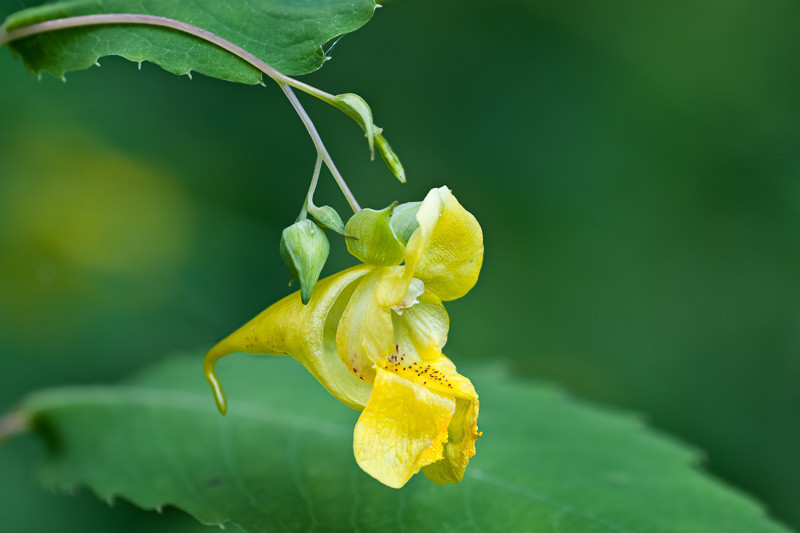
kickstand-project.org – Yellow Jewelweed (Impatiens pallida), often called pale touch-me-not, is a vibrant and unique flowering plant native to North America. Known for its bright yellow blossoms and unique ability to thrive in damp, shaded environments, Yellow Jewelweed is a popular addition to wildflower gardens, natural landscapes, and herbal gardens. Beyond its striking appearance, this plant has been cherished for centuries for its medicinal properties, particularly in soothing skin irritations. Whether for its beauty or its therapeutic uses, Yellow Jewelweed is a remarkable plant with a rich history.
Appearance and Characteristics
Yellow Jewelweed is an annual plant that typically grows between 2 to 4 feet (60 to 120 cm) tall, with a slightly spreading habit. Its lance-shaped, serrated leaves are soft and light green, providing an attractive backdrop for the vibrant yellow flowers that bloom in late spring to summer.
The flowers are the highlight of this plant, featuring a distinctive trumpet shape with irregular, spurred petals. The bright yellow flowers are adorned with orange spots or markings near the base, giving them a jewel-like appearance—hence the common name “Jewelweed.” These blooms attract pollinators like bees and hummingbirds, contributing to the plant’s role in supporting local ecosystems.
The plant also has an interesting feature: its seed pods. When ripe, the pods are very sensitive to touch and will burst open when disturbed, launching the seeds several feet away. This mechanism has earned the plant the alternative name “touch-me-not,” as the pods can be triggered by even a light touch.
Growing and Caring for Yellow Jewelweed
Yellow Jewelweed thrives in moist, shaded environments, making it a perfect choice for wildflower gardens or areas with damp soil. It is relatively easy to grow and care for, but here are some tips to ensure it thrives in your garden:
- Light Requirements: Yellow Jewelweed prefers partial to full shade, though it can tolerate some morning sunlight. It thrives in woodland settings where it can be shielded from the harsh midday sun. In hotter climates, providing shade during the hottest part of the day helps prevent wilting or stress.
- Soil: This plant thrives in rich, moist, well-drained soil. It is commonly found in riparian zones, near streams, or in areas with high moisture content. Jewelweed does not tolerate dry, sandy, or compacted soils, so ensure the soil retains moisture, especially during the growing season.
- Watering: As a moisture-loving plant, Yellow Jewelweed requires consistent watering, particularly during hot and dry periods. While it can tolerate occasional drying, it does best when the soil is kept consistently moist. Water the plant deeply and regularly, especially in the summer.
- Temperature and Humidity: Yellow Jewelweed grows well in temperate climates and thrives in areas with moderate humidity. It is cold-hardy in USDA hardiness zones 3 through 9, making it suitable for a wide range of environments. In extremely hot or dry climates, it’s important to provide adequate shade and moisture to support the plant’s growth.
- Fertilization: This plant generally does not require heavy fertilization. Adding organic matter, such as compost, to the soil at planting time will provide it with the necessary nutrients. Over-fertilizing can lead to excessive foliage growth with fewer flowers, so it’s best to err on the side of minimal feeding.
- Pruning: While Yellow Jewelweed doesn’t require regular pruning, removing dead or spent flowers can help encourage new growth and improve the overall appearance of the plant. Since it self-seeds readily, you may also want to manage its spread to prevent it from overtaking other plants.
Medicinal Uses of Yellow Jewelweed
Yellow Jewelweed has a long history of use in herbal medicine, particularly for its soothing effects on the skin. Native American tribes were among the first to use the plant to treat skin conditions, and its popularity continues in modern herbal practices.
The plant contains compounds such as anthraquinones and alkaloids, which are believed to have anti-inflammatory and soothing properties. The most common uses of Yellow Jewelweed include:
- Treating Poison Ivy and Oak: One of the most popular uses of Yellow Jewelweed is to relieve the itching and irritation caused by poison ivy, poison oak, or poison sumac. The plant’s juice or crushed leaves can be applied directly to the skin to reduce inflammation and relieve itching.
- Soothing Skin Irritations: Jewelweed has been traditionally used to alleviate various skin irritations, including rashes, insect bites, and stings. Its anti-inflammatory and cooling properties help reduce redness and discomfort.
- Relieving Sunburn: The plant’s natural cooling effects can be used to soothe mild sunburns, helping to calm inflamed skin and reduce discomfort.
- Bruises and Minor Cuts: In some cases, Yellow Jewelweed has been used as an herbal remedy for bruises, minor cuts, or abrasions. Its anti-inflammatory compounds can promote healing and reduce swelling in the affected area.
While Yellow Jewelweed is widely regarded for its medicinal properties, it is important to use caution and consult with a healthcare provider before using any plant-based remedies. Some individuals may experience allergic reactions, so it’s important to perform a patch test before using the plant on larger areas of skin.
Attracting Pollinators and Supporting Local Ecosystems
Yellow Jewelweed plays an important role in supporting local ecosystems, particularly by attracting pollinators. The bright, tubular flowers are especially attractive to hummingbirds and bees, who help pollinate the plant as they feed on its nectar. In turn, the plant provides vital food resources for these pollinators, contributing to biodiversity in the garden.
Additionally, Jewelweed serves as a habitat for small wildlife. The plant’s dense foliage can offer shelter to insects and other small creatures, making it a beneficial plant in creating a healthy, balanced garden ecosystem.
Pests and Problems
Yellow Jewelweed is generally pest-resistant, but it can occasionally face challenges from slugs and snails, which are drawn to its tender leaves. If necessary, use natural pest control methods, such as diatomaceous earth, to deter these creatures.
The plant is also susceptible to fungal diseases such as downy mildew or powdery mildew, particularly in overly wet or humid conditions. To minimize the risk of disease, avoid overcrowding plants and ensure good air circulation around the Jewelweed. If mildew is present, prune affected leaves and apply a fungicide as needed.
Conclusion
Yellow Jewelweed is a stunning and versatile plant that brings beauty and ecological benefits to gardens. With its vibrant yellow flowers, unique seed pods, and medicinal properties, it’s a remarkable addition to any wildflower garden or shaded landscape. Whether you’re planting it for its beauty, its ability to attract pollinators, or its traditional medicinal uses, Yellow Jewelweed offers a range of benefits for gardeners and nature enthusiasts alike.
However, it’s important to use this plant with care, especially when handling it for medicinal purposes, as some individuals may be sensitive to its compounds. By incorporating Yellow Jewelweed into your garden, you not only enjoy a beautiful flower but also contribute to a thriving, diverse ecosystem.